






What Exactly Is PJ.2.1?
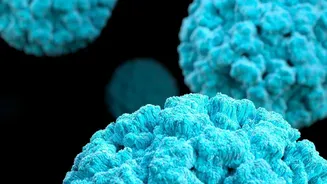
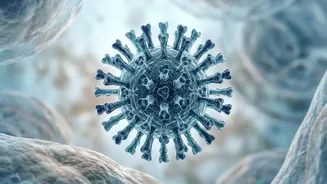
PJ.2.1 is the latest sub-variant of the Omicron family of SARS-CoV-2, the virus that causes COVID-19. Scientists classify it as a 'second-generation' sub-variant, meaning it has evolved from a previous Omicron offshoot. Its genetic profile shows several
new mutations on the spike protein, which is the part of the virus that helps it enter human cells. This is what makes it notable, as spike protein mutations can potentially affect how easily the virus spreads, how severe the resulting illness is, and how well our immune systems or vaccines can fight it off. Currently, global health bodies are studying its genetic makeup to understand its behaviour better. It has not yet been designated a 'variant of concern', but it is being monitored closely as a 'variant under monitoring'.
Where Has It Been Detected?
The first sequences of PJ.2.1 were identified through genomic surveillance in Southeast Asia and parts of Europe over the last few weeks. Since then, it has been detected in wastewater samples and a small number of clinical cases in at least a dozen countries, including the United States, the United Kingdom, and Australia. The detection across multiple, disconnected regions suggests that the variant is likely more widespread than the confirmed case numbers indicate. Health agencies are ramping up sequencing efforts to get a clearer picture of its global prevalence. As of now, health authorities in India have confirmed that while surveillance has been heightened at airports, no cases of PJ.2.1 have been officially detected within the country.
What Are The Symptoms?
Early data from the handful of documented cases suggests that the symptoms of PJ.2.1 are broadly similar to those caused by other recent Omicron sub-variants. Most patients have reported mild to moderate upper-respiratory symptoms. These commonly include a sore throat, runny nose or nasal congestion, a persistent cough, and headache. Fever and body aches are also reported but appear to be less frequent than with earlier strains like Delta. A significant loss of taste or smell, which was a hallmark of the original COVID-19 strain, remains rare with PJ.2.1. Health officials stress that symptom presentation can vary widely based on an individual's vaccination status, prior infection history, and overall health.
Is It More Severe or Transmissible?
This is the most critical question, and the answer is still tentative. Preliminary lab studies are investigating whether the new mutations make PJ.2.1 more adept at evading the immune system. Some virologists theorize it might have a slight transmission advantage, allowing it to spread more easily than its predecessors, which would explain its detection in several countries. However, there is currently no evidence to suggest that it causes more severe disease. Hospitalisation rates in the regions where PJ.2.1 is circulating have not seen a significant spike. This could be due to high levels of population immunity from vaccination and prior infections. Experts caution that it takes several weeks of data to draw firm conclusions about a new variant's real-world impact.
How to Stay Protected
The advice from public health experts remains consistent and familiar. The current generation of updated COVID-19 vaccines is still expected to provide strong protection against severe illness, hospitalisation, and death, even if they don't always prevent a mild infection. Staying up-to-date with recommended booster doses is the most effective tool. Beyond vaccination, the tried-and-tested preventive measures continue to be crucial. These include practicing good hand hygiene by washing hands frequently with soap and water, improving ventilation by opening windows and doors, and wearing a high-quality mask in crowded indoor spaces or on public transport, especially for vulnerable individuals. If you develop symptoms, it is important to test and isolate yourself to prevent further spread.