
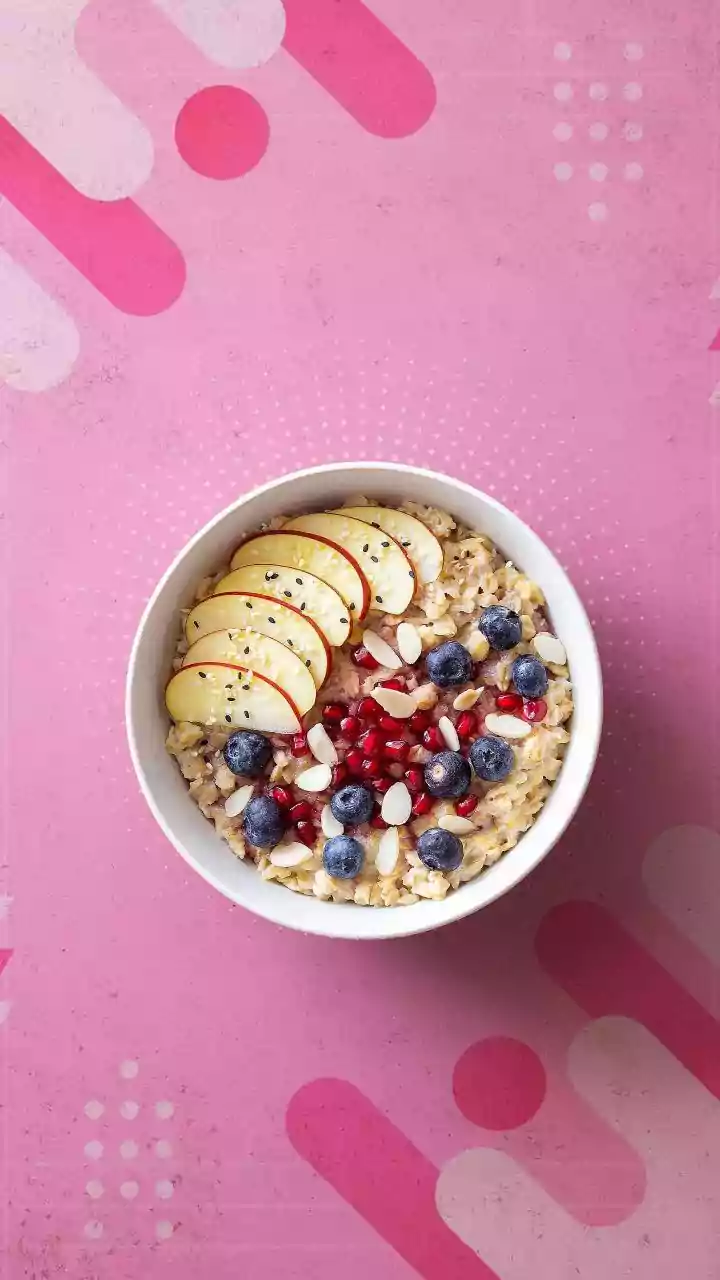



The Breakfast Table Transformation
Step into a modern kitchen in Mumbai, Bengaluru, or Delhi, and you'll notice a subtle change. The morning meal, long a bastion of tradition, is being thoughtfully reinvented. While convenience once reigned, there's a growing movement back towards wholesome,
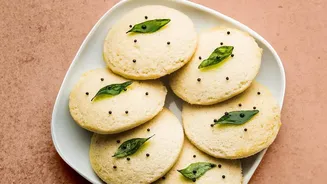
heritage-based foods. This isn't about abandoning classics but elevating them. South Indian staples like fluffy idlis and delicate appams are at the forefront of this trend, but with a significant twist: they are increasingly being made not from rice, but from a variety of millets. This shift reflects a larger change in urban lifestyles, where health consciousness and a desire for authentic, sustainable foods are beginning to steer daily choices.
The Mighty Millet Revival
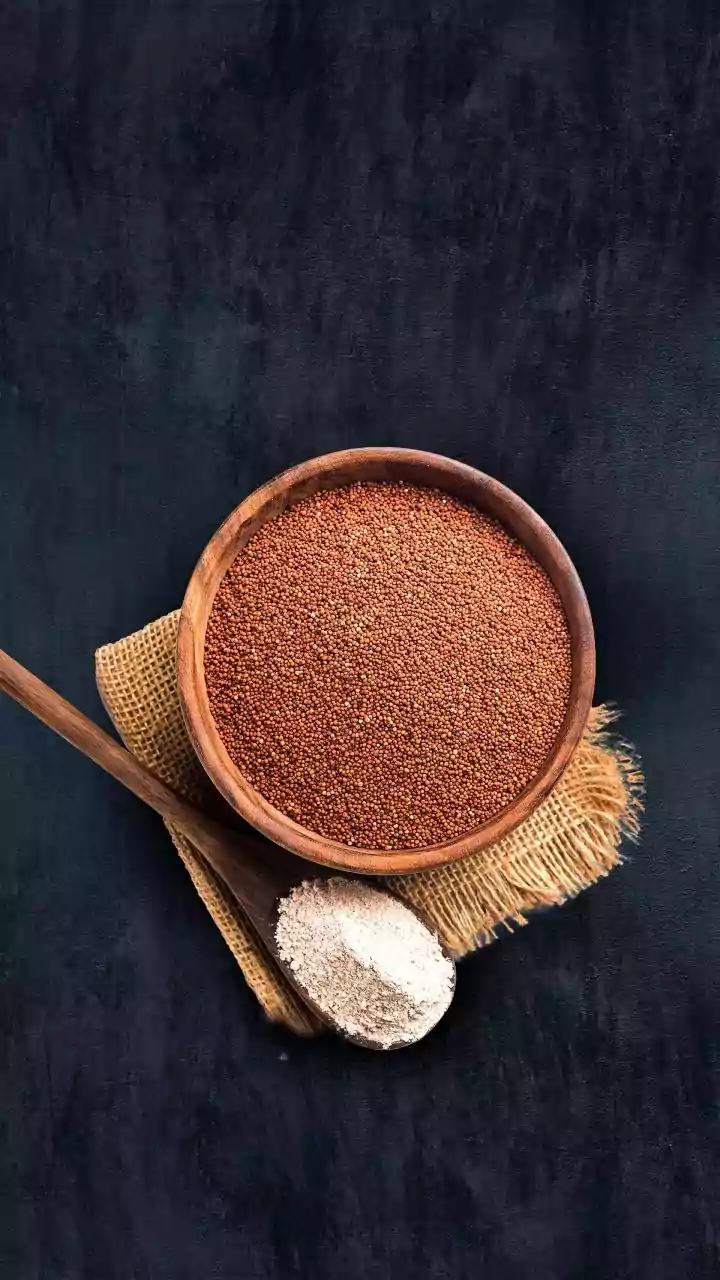
For years, millets like ragi (finger millet), jowar (sorghum), and bajra (pearl millet) were sidelined in the Indian diet, overshadowed by the mass production of rice and wheat during the Green Revolution. Today, they are making a powerful comeback, rebranded as 'superfoods' for a new generation. The reasons are compelling. Millets are nutritional powerhouses, packed with more dietary fiber, protein, and essential minerals than their refined counterparts. They are naturally gluten-free and have a low glycemic index, which helps in managing blood sugar levels and promoting sustained energy release — a huge plus for avoiding a mid-morning slump. This impressive health profile is a primary driver for their re-entry into urban homes.
Old Favourites, New-Found Health
The genius of this trend lies in its seamless integration into existing food habits. Instead of introducing unfamiliar dishes, home cooks are simply swapping one ingredient. A traditional rice and dal batter for idli now often features foxtail millet or barnyard millet, resulting in idlis that are just as soft but significantly more nutritious. Similarly, fermented appam batters are being prepared with ragi, giving the lacy pancakes a distinctive earthy flavour and a boost of calcium and iron. This simple switch allows families to enjoy their favourite comfort foods while reaping significant health benefits, making the transition effortless and appealing. The familiar taste and texture are largely preserved, with the added bonus of feeling lighter and more energised.
More Than Just a Health Fad
While health is a major catalyst, the appeal of millet-based breakfasts runs deeper. It's tied to a broader cultural yearning for authenticity and a connection to our roots. Choosing millets is also a nod to sustainability; these grains are famously climate-resilient, requiring far less water than rice and thriving in arid conditions, making them an environmentally conscious choice. For many urban dwellers, cooking with these 'ancient grains' is a way of reclaiming a piece of their culinary heritage that was nearly lost. It represents a move away from globalised, processed foods towards ingredients that are intrinsically Indian, celebrating regional biodiversity and traditional agricultural wisdom.
Making Tradition Work for Modern Life
One might assume that preparing traditional breakfasts is too time-consuming for the fast-paced urban lifestyle. However, the market has adapted swiftly. A wide array of ready-to-use millet flours and pre-mixed idli and dosa batters are now readily available, cutting down preparation time significantly. Many brands are offering everything from millet flakes and noodles to cookies, making it easier than ever to incorporate these grains into any meal. For those who prefer to make things from scratch, modern kitchen gadgets and techniques like meal-prepping batters over the weekend make serving a hot, healthy breakfast on a weekday morning entirely achievable. This blend of ancient ingredients and modern convenience is what makes the trend not just aspirational, but sustainable in the long run.