


The Classic: Deep-Frying
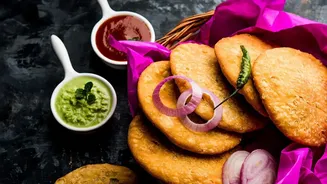
Deep-frying is the traditional method responsible for the iconic taste and texture of snacks like pakoras and samosas. Submerging the snack in hot oil creates a rapid cooking process that results in a perfectly golden, crispy crust and a moist, flavourful
interior. This method is unmatched for achieving that classic, indulgent crunch. However, the trade-off is significant. The food absorbs a considerable amount of oil, which dramatically increases its calorie and fat content. A single fried samosa can contain 250-300 calories. Furthermore, high-heat frying can destroy some heat-sensitive nutrients like vitamin C and certain B vitamins. While delicious, snacks prepared this way are best enjoyed in moderation.
The Healthy Makeover: Baking
Baking is often the first alternative people turn to for a healthier snack. Instead of hot oil, baking uses dry, circulating heat in an oven to cook the food. The primary advantage is the massive reduction in oil, which can cut calories by 40-50% compared to deep-frying. A baked samosa, for instance, might only have around 150 calories. This method is great for snacks like mathri, baked karanji, and even samosas if you're willing to accept a different texture. Baked snacks tend to be drier and have a denser, more biscuit-like crunch rather than the light, flaky texture of their fried counterparts. While they may not satisfy a craving for authentic street-style crispiness, they are a much healthier choice for regular consumption.
The Modern Contender: Air-Frying
The air fryer has emerged as a game-changer, promising the crispiness of deep-frying with the health benefits of baking. This appliance works by circulating superheated air at high speed, creating a crispy exterior with minimal oil—often 75-80% less than deep-frying. This significantly reduces the overall calorie and fat content, making it a heart-friendly option. For snacks like aloo tikki, cutlets, and even samosas, an air fryer can produce a texture that is remarkably close to deep-fried versions. It also has an edge over baking in speed and nutrient retention, as the shorter cooking times help preserve more heat-sensitive vitamins. While it may struggle with very wet batters like those for some pakoras, it's a versatile and healthier way to enjoy most of your favourite crispy treats without the guilt.
The Gentle Approach: Steaming
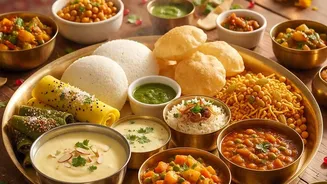
Steaming is one of the healthiest cooking methods available, known for its excellent nutrient preservation. Using moist heat from steam, this gentle technique cooks food without the need for any added fat, making it extremely low in calories. It is the best method for retaining water-soluble vitamins like Vitamin C and B vitamins, which are often lost in other cooking processes. This is the native cooking method for beloved snacks like dhokla, patra, and muthia, giving them their characteristic soft and spongy texture. While steaming won't produce the crispy finish of frying or baking, it excels at preserving the food's natural flavours and nutritional integrity. For anyone prioritising health and nutrient intake above all else, steaming is the undisputed champion.