






The Rise of Social Fitness
For years, the fitness narrative in urban India was dominated by high-intensity workouts and state-of-the-art gyms. But the tide is turning. Across cities like Mumbai, Delhi, Bengaluru, and Chennai, a growing number of people are lacing up their shoes
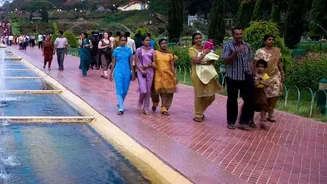
and joining community walks. This trend, often called 'social fitness', is less about chasing athletic performance and more about connection and consistency. Groups organised through platforms like Meetup and WhatsApp are bringing together strangers with a shared goal: to move, talk, and explore their city on foot. It signals a broader shift away from the idea that fitness must be a punishing, solitary pursuit. Instead, it's becoming a source of community and a welcome break from stressful, sedentary urban lives.
More Than Just Burning Calories
The appeal of these walking groups goes far beyond physical health. In cities where it's easy to feel isolated, they offer a powerful antidote to urban loneliness. Participants report that the conversations and friendships forged on these walks are just as important as the steps they take. These groups create a 'third space' — a place between home and work where people can build genuine connections. This social dimension provides accountability and motivation, making it easier to stick to a fitness routine. For many, showing up for a walk is as much about seeing friends and catching up as it is about exercise, blending physical activity seamlessly with social life.
An Accessible Path to Wellness
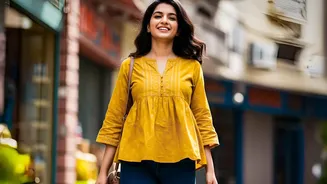
One of the most significant drivers of this trend is its accessibility. Walking requires no expensive membership, fancy equipment, or specialised training. This democratic nature makes it inclusive for people of all ages, fitness levels, and economic backgrounds. Groups like 'City Girls Who Walk Delhi' offer free, spontaneous walks for women, creating a safe and supportive environment for fitness and networking. This focus on inclusivity is a stark contrast to the often intimidating and exclusive atmosphere of traditional gyms, opening the doors to wellness for a much wider segment of the population. The focus is on longevity and functional fitness, helping people build sustainable habits for a healthier life.
Rediscovering the Urban Landscape
Community walks are also changing how residents interact with their own cities. Many groups focus on exploring different neighbourhoods, parks, and historical sites, turning a simple walk into an act of discovery. Heritage walks, in particular, have become incredibly popular, offering a unique blend of physical activity and cultural education. By exploring monuments and forgotten lanes, participants connect with their city's history and heritage in a way they never could from inside a car. This not only enhances the walking experience but also fosters a stronger sense of place and civic pride among urban dwellers, who begin to see their surroundings with new eyes.
A Boost for Mind and Body
The holistic benefits of this trend are undeniable. While the physical advantages of walking—improved cardiovascular health, better stamina, and weight management—are well-documented, the mental health perks are just as compelling. Spending time outdoors, engaging in light physical activity, and connecting with others is a proven recipe for reducing stress and anxiety. In a world of digital burnout and constant connectivity, these walks offer a much-needed opportunity to unplug, breathe fresh air, and engage in face-to-face interaction. It is a move toward valuing mental peace and balance as core components of a healthy lifestyle.