




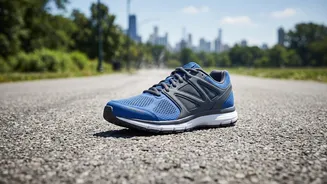


That crisp, cool air is one of the joys of an autumn run, but it can also bring a surprising burn to your lungs or a nagging cough. This is a common response to cold, dry air, and understanding why it happens is the first step to managing it.
Why Your Lungs Burn on a Cold Day
The burning
sensation or tightness you feel when exercising in the cold isn't your lungs 'freezing'. Instead, it’s a reaction to the air's temperature and lack of moisture. Your respiratory system works best with warm, humid air. When you inhale cold, dry air, your airways have to work overtime to heat it to body temperature and add humidity. This rapid exchange of heat and water can irritate the sensitive lining of your airways, causing them to become inflamed, to narrow, and to produce more mucus. This protective reaction, sometimes called a bronchospasm, can result in coughing, wheezing, shortness of breath, and that familiar chest tightness.
Sensitivity vs. Exercise-Induced Asthma
For many people, a bit of coughing or throat irritation is a normal, temporary response to cold air. However, for others, the symptoms can be more severe, signaling an underlying condition like exercise-induced bronchoconstriction (EIB), also known as exercise-induced asthma. While a healthy person's airways might narrow slightly, someone with EIB experiences a much more significant constriction, making breathing difficult. Symptoms of EIB often appear a few minutes into exercise and can worsen after you stop, including intense coughing, severe shortness of breath, chest tightness, and wheezing. If your symptoms feel extreme or take a long time to resolve, it's wise to consult a doctor.
Warm Up Before You Go Out
Just as you warm up your muscles, your airways need time to acclimate to the cold. A proper warm-up helps prevent the 'shock' of suddenly breathing in large volumes of cold air. Before heading out, spend at least 10 to 15 minutes doing some light activity indoors, like walking, jogging in place, or dynamic stretching. This gradual increase in your breathing rate allows your airways to adjust more gently to the change in temperature and humidity, which can help prevent the muscles around them from tightening up.
Create a Protective Barrier
One of the simplest and most effective strategies is to cover your nose and mouth with a scarf, buff, or cold-weather mask. This simple layer traps the heat and moisture from your exhaled breath, creating a pocket of warmer, more humid air for you to inhale. This prewarmed air is much less irritating to your lungs and can significantly reduce symptoms of airway sensitivity. It effectively acts as an external extension of your body's natural airconditioning system.
Breathe Through Your Nose
Whenever possible, try to breathe in through your nose and out through your mouth. Your nasal passages are specifically designed to warm and humidify air before it reaches your lungs, a function your mouth doesn't perform as well. Breathing through your nose ensures the air is less of a shock to your sensitive lower airways. While this can be challenging during intense exertion when you need more air, practicing nasal breathing during your warmup and less strenuous parts of your workout can make a noticeable difference.
Consider Your Timing and Location
If you're particularly sensitive, timing your workout can help. Air temperatures are often lowest in the early morning, so consider exercising midday when it’s typically warmer. It's also worth being mindful of air quality. Air pollution from traffic or other sources can further irritate your airways, compounding the effects of the cold. If possible, choose parks or trails away from busy roads. On days with poor air quality or extreme cold, an indoor workout might be the best option to give your lungs a break.