








The Limits of Mirror Practice
For generations, the go-to advice for viva preparation has been to rehearse in front of a mirror or recite notes aloud to an empty room. While this helps with memorisation, it falls short in a crucial area: feedback. A mirror can’t tell you if you’re
speaking too fast, using too many filler words like ‘um’ and ‘ah’, or if your tone sounds monotonous. You're practicing in a vacuum, which means you might be reinforcing bad habits without even realising it. The anxiety doesn't come from not knowing your subject; it comes from not knowing how you will perform under pressure. Traditional methods offer little to soothe this specific fear.
Enter the AI Speaking Coach
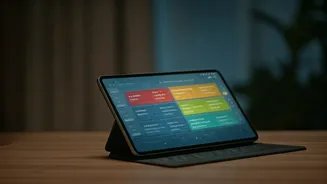
This is where digital speaking apps have become a game-changer for students across India. Think of them as a personal, on-demand speaking coach that lives on your phone or laptop. Using artificial intelligence, these apps record your speech and provide instant, data-driven analysis. They can track your pace (words per minute), count your filler words, measure the length of your pauses, and even analyse your vocal variety. It’s like having an objective, non-judgemental examiner who is available 24/7. This technology transforms practice from a guessing game into a targeted training session, allowing you to identify and fix your specific weaknesses.
Finding the Right App for You
The market is filled with excellent options, each with slightly different strengths. You don't need to pay for a premium service to get started. Many apps offer powerful free tiers. Look for tools like Yoodli, which provides a comprehensive dashboard analysing everything from your word choice to your body language (if using video). Apps like Speeko and Orai are fantastic for focusing on specific goals, such as reducing filler words or improving vocal clarity. The key is not to find the 'perfect' app, but to find one that gives you the feedback you need. Start by recording a one-minute introduction of your project topic. The immediate, private feedback will instantly highlight areas for improvement.
Building a Smart Practice Routine
Simply downloading an app isn't enough; you need a strategy. Don't try to practice your entire 20-minute presentation on day one. Start small. 1. **Baseline Test:** Record yourself answering a common viva question, like “Summarise your project in two minutes.” Don't overthink it. This first recording is your baseline. 2. **Analyse the Feedback:** Look at the AI's report. Does it flag a high number of 'ums'? Is your pace too fast? Pick just one or two things to work on. 3. **Targeted Re-recording:** Record the same answer again, but this time, consciously focus on speaking slower or avoiding that one filler word. Repeat this process. The iterative cycle of speaking, getting feedback, and improving is what builds confidence. Do this for 10-15 minutes every day in the week leading up to your viva.
From Digital Practice to Human Connection
The ultimate goal of using these apps is to build enough confidence to perform well in front of a human examiner. Once you're consistently getting good scores from the AI and feel more fluent, it's time for the final step. Take the confidence you've built and do a mock viva with a friend, a senior, or a professor. The app has helped you polish the 'how' of your delivery—your pace, clarity, and structure. Now, you can focus on the 'what'—the quality of your answers and your ability to engage in a real conversation. You'll be less worried about how you sound and more focused on demonstrating what you know, which is the key to a successful viva.