





The Great Himalayan Rush
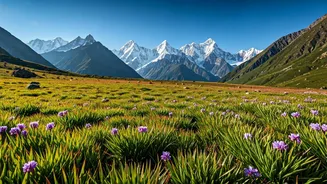
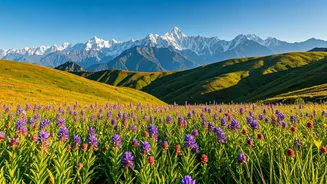
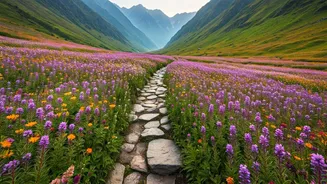
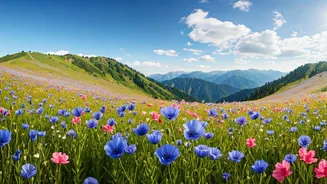
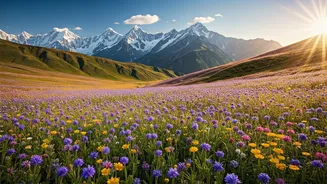
The numbers are staggering. Following the opening of high-altitude trek routes and pilgrimage sites, Uttarakhand is witnessing an unprecedented influx of tourists. From the lush meadows of Dayara Bugyal to the challenging heights of Kedarkantha, base
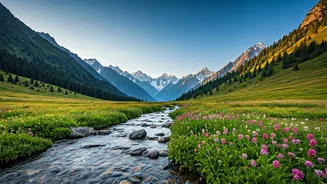
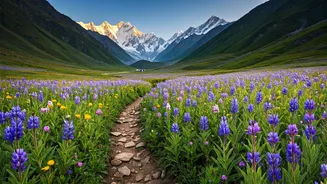
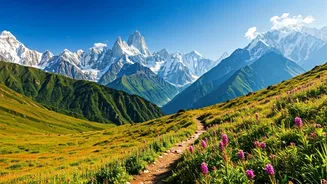
camps like Sankri, Gangotri, and Munsiyari are buzzing with activity. Tour operators report that slots for popular treks are booked months in advance, a level of demand that surpasses even pre-pandemic levels. This 'explosion' isn't just about weekend tourists; it's a significant surge in serious trekkers and mountaineers eager to explore trails that were inaccessible for the better part of two years. Social media feeds are awash with stunning vistas from Har Ki Dun and the Pindari Glacier, further fuelling the desire for alpine adventure and turning once-remote trails into bucket-list destinations for a new generation of Indian travellers.
What's Fuelling the Boom?
This phenomenon is the result of a perfect storm. Firstly, there's the element of 'revenge travel'—a collective, pent-up desire to break free from the confines of lockdowns and reconnect with nature. The Himalayas offer a powerful antidote to urban fatigue. Secondly, the Uttarakhand Tourism Development Board has been proactive in its promotion, streamlining the permit process for many treks and marketing the state as a premier adventure hub. Initiatives like the '13 Treks for 13 Districts' scheme have successfully highlighted lesser-known routes. Finally, the digital age has transformed trekking. Instagram, YouTube, and travel blogs have democratised information, making complex expeditions seem achievable. The visual allure of a summit sunrise or a pristine alpine lake is a powerful marketing tool, driving thousands to follow in the footsteps of their favourite influencers.
A Lifeline for Mountain Economies
For the local communities dotting these trekking routes, the tourism boom is nothing short of an economic lifeline. For years, livelihoods in these remote regions have been precarious, heavily dependent on seasonal agriculture and a trickle of tourists. Now, the surge is creating widespread opportunities. Homestays are flourishing, providing authentic experiences for travellers and direct income for families. Local youth, who might have once migrated to cities for work, are finding employment as guides, porters, and support staff. Mule operators, tea-stall owners, and small-scale equipment renters are all benefiting from the steady stream of visitors. This influx of cash empowers local economies, funds better education for children, and helps preserve a way of life that is deeply connected to the mountains.
The 'Eco' in Eco-Tourism: A Fragile Balance
However, the word 'explodes' carries a warning. The sharp increase in footfall poses a significant threat to the fragile Himalayan ecosystem. The very beauty that draws tourists is at risk of being loved to death. Overcrowding on popular trails leads to soil erosion and widening of paths. The bigger challenge is waste management. Reports of plastic bottles, food wrappers, and other non-biodegradable waste littering pristine landscapes are becoming increasingly common. This 'Himalayan trash' not only spoils the view but also contaminates water sources and harms wildlife. This raises a critical question: is this truly 'eco-tourism'? While the intent may be there, the infrastructure and regulations are struggling to keep pace with the sheer volume of people, putting immense pressure on resources and the environment.
Towards a More Conscious Climb
The responsibility for preserving these mountains lies with everyone—the government, tour operators, and the tourists themselves. The future of Uttarakhand's alpine treasures depends on shifting from a model of high-volume tourism to one of high-value, sustainable travel. For trekkers, this means embracing a 'Leave No Trace' ethic: carrying back all your waste, avoiding single-use plastics, and respecting wildlife. It means choosing local, registered tour operators who prioritise small group sizes and employ sustainable practices. It also involves cultural sensitivity—respecting local customs and contributing to the community in a positive way. Authorities, in turn, must enforce stricter regulations on waste management and consider capping the number of daily visitors on ecologically sensitive trails to allow nature time to recover.