





A Series of Two Halves
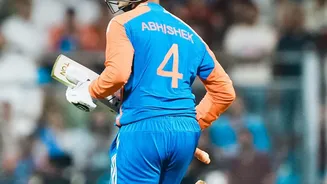
The recently concluded T20I series against Zimbabwe was a strange one for Abhishek Sharma. With the bat, the explosive opener struggled to find his rhythm, posting low scores of 1 and 8 in the first two matches. This continues a worrying dip in batting
form in 2026, a stark contrast to his dream run in 2025 where he seemed to score runs for fun. However, while his primary skill wasn't firing, his secondary skill came to the forefront in a spectacular way. The chatter after the series wasn't about his failures with the bat, but about his surprising and highly effective contributions with the ball.
The Bowling Revelation
It was in the second T20I that the script truly flipped. While he was dismissed cheaply, Sharma was handed the ball and delivered a match-winning spell. His figures of 3 for 17 in just under three overs were not only his career-best in T20 internationals but also a historic achievement. He registered the best bowling performance by an Indian opener in T20I history, joining a prestigious list that includes legends like Vinoo Mankad in Tests and Ravi Shastri in ODIs. Introduced as a part-time option, he showed immense control, taking crucial wickets and ensuring Zimbabwe's run chase never gained momentum as India sealed the series.
Why the All-Rounder Tag Matters
For years, Indian cricket has been on a quest for a specific type of player: a top-order batter who can provide a reliable bowling option. While players like Hardik Pandya and Ravindra Jadeja have excelled as finishers who can bowl, the balance of the side often craves a specialist batter in the top six who can also contribute four overs of quality spin. This allows for greater flexibility, enabling the team to play an extra specialist batter or bowler depending on the conditions. Sharma, a left-handed batter and a left-arm spinner, fits this mould perfectly. His emergence as a credible bowling option is more than just a bonus; it's a potential solution to a long-standing strategic puzzle for the Indian team management.
The Batting Form is Key
Before anointing him as the next superstar, however, it's crucial to address the elephant in the room: his batting. An all-rounder's value is diminished if their primary skill is not consistent. Sharma's struggles for runs in 2026, including the series against England and the recent tour of Zimbabwe, are a cause for concern. He was originally selected as a specialist opener, the player around whom the top order would be built. His breathtaking form in 2025 set an incredibly high bar, and his current lean patch is a reminder of the challenges of international cricket. For his all-round capabilities to be a genuine asset, his explosive and reliable batting needs to return to its peak.
A Glimpse of the Future?
The Zimbabwe tour did not anoint Abhishek Sharma as India's next all-round superstar. What it did was open a tantalizing window into what he could become. It showcased a new dimension to his game under pressure and gave the selectors a glimpse of a more balanced T20I side. His journey began as a bowling all-rounder in age-group cricket before his explosive batting took precedence. This series feels like a return to those roots, blending his foundational skills with his developed batting prowess. The superstar tag is a conversation for another day, but the Zimbabwe series has undeniably redefined his potential contribution to Indian cricket.