






A Legacy of Wellness in a Cup
Long before modern remedies were available, households in South India relied on a wealth of knowledge rooted in Ayurveda to navigate seasonal ailments. This wisdom is beautifully captured in their spiced beverages, known broadly as 'kashayam' or other
regional names. These are not merely teas; they are carefully crafted decoctions of herbs and spices designed to warm the body, soothe irritation, and support the body's natural defences. Governed by the principle of balancing the body's energies (doshas), these infusions are a cornerstone of home-based wellness, offering a gentle, holistic approach to managing the discomfort of common colds and coughs.
Kashayam: The Quintessential Herbal Brew
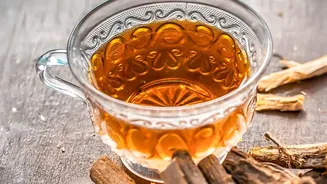
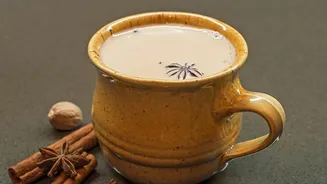
Kashayam is a traditional Ayurvedic drink made by simmering a blend of potent spices and herbs in water. While recipes vary from family to family, the core ingredients often include coriander seeds, cumin, black peppercorns, and fennel seeds, sometimes enhanced with herbs like tulsi (holy basil). This herbal brew is cherished for its ability to provide relief from congestion and sore throats. The spices work in concert: coriander and cumin are traditionally valued for their digestive and warming properties, while black pepper is known to help clear mucus. Typically sweetened with jaggery, a cup of warm kashayam is a comforting ritual during colder, damp weather.
Chukku Kaapi: The Fiery Ginger Elixir
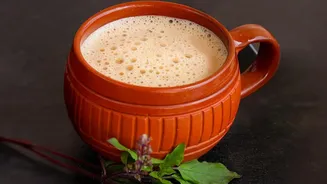
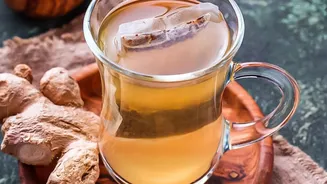
A beloved alternative, particularly in Kerala and Tamil Nadu, is 'Chukku Kaapi' or dry ginger coffee. This potent brew is made not with coffee beans but with a base of dried ginger ('chukku') and coriander seeds ('malli'). Unlike the slow-simmered kashayam, chukku kaapi is often a quicker preparation. The primary ingredient, dry ginger, is revered in Ayurveda for its warming properties, which are believed to help soothe sore throats, ease congestion, and stimulate digestion. The addition of black pepper, palm jaggery, and sometimes tulsi leaves creates a beverage that is simultaneously spicy, sweet, and deeply comforting, making it a go-to remedy at the first sign of a cold.
The Science Behind the Spices
Modern science is increasingly validating the wisdom behind these traditional ingredients. Ginger contains gingerol, a compound known for its powerful anti-inflammatory and antioxidant effects. It has been shown to be effective in soothing nausea and has antiviral properties that can help with sore throats. Turmeric, another common addition, contains curcumin, a substance celebrated for its anti-inflammatory qualities. Black pepper contains piperine, which not only provides heat but has been found to enhance the absorption of other beneficial compounds, like curcumin. Together, these spices create a synergistic effect that can help reduce inflammation, support the immune system, and ease the symptoms associated with respiratory discomfort.
Bringing the Tradition Home
Preparing a simple version of these infusions at home is straightforward. For a basic kashayam, you can dry roast coriander seeds, cumin seeds, and a few black peppercorns, then grind them into a coarse powder. Boil a teaspoon of this powder in water, let it simmer for about five minutes, strain, and sweeten with jaggery or honey to taste. For chukku kaapi, simply boil water with a teaspoon of dry ginger powder, a few crushed peppercorns, and coriander seeds. The key is to allow the spices to infuse the water thoroughly, releasing their aromatic oils and beneficial compounds. You can store the spice powders in an airtight container for easy access whenever you need a comforting cup.