






What Exactly Is a Cool-Cation?
A cool-cation is exactly what it sounds like: a vacation planned specifically to escape the heat by travelling to a destination with a more temperate or even chilly climate. It’s the intentional swapping of sweltering beaches for crisp mountain air, bustling
hot cities for serene fjord explorations. First coined by Condé Nast Traveler in late 2023, the idea has rapidly gained traction. This isn't just about personal preference anymore; it's a direct response to our planet's changing climate. With recent years consistently breaking heat records, destinations in the Mediterranean and parts of Asia are experiencing extreme summer temperatures, wildfires, and droughts that make them less appealing and sometimes even dangerous for tourists. As a result, savvy travellers are recalibrating their compasses, looking north or towards higher altitudes for their summer escape.
More Than Just Beating the Heat
The driving force behind the cool-cation trend is undoubtedly the desire for physical comfort. Exploring a new city is far more enjoyable when you’re not drenched in sweat, and outdoor activities like hiking are safer without the risk of heat exhaustion. Beyond simple comfort, this trend taps into a broader shift in traveller values. Many are seeking wellness and restoration, which is hard to achieve in oppressive heat. Furthermore, many traditional summer hotspots suffer from overtourism, leading to long queues and crowded spaces. Cool-cation destinations, which are often less frequented during the summer, can offer a more relaxed and authentic experience. This often aligns with a move towards more sustainable, nature-based tourism, as many cooler destinations provide pristine landscapes and low-impact recreational activities.
Alpine Escapes and Mountain Air
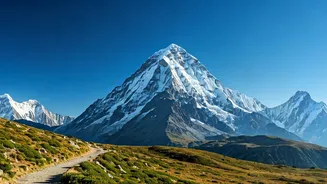
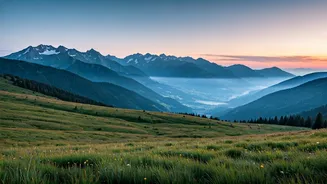
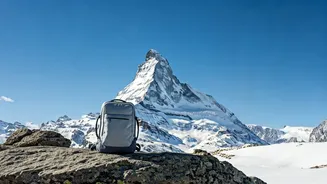
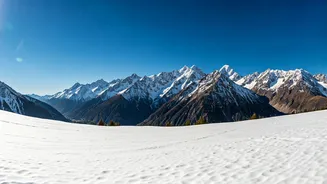
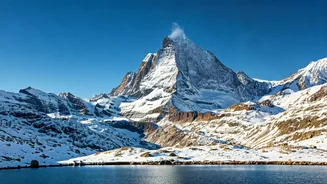
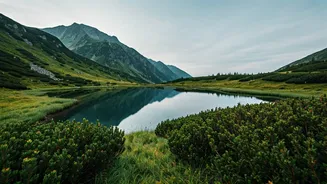
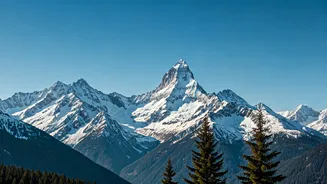
If you crave dramatic scenery and fresh air, the mountains of Europe are an ideal cool-cation choice. Switzerland, with its iconic peaks like the Matterhorn, offers cinematic vistas, shimmering lakes, and endless trails for hiking and e-biking. The Dolomites in Northern Italy transform into a lush paradise in summer, perfect for outdoor enthusiasts. In Germany, the Bavarian Alps provide a stunning backdrop for adventure, while Austria’s Tyrol region beckons with its green valleys and charming villages. These high-altitude regions provide a natural air-conditioned environment, allowing you to explore the great outdoors comfortably. Even when the valleys warm up, a quick cable car ride can transport you to cooler elevations.
Nordic Wonders and Midnight Sun
The Nordic countries have become the poster children for the cool-cation trend. With summer temperatures often hovering in the comfortable mid-20s, countries like Norway, Sweden, Finland, and Iceland are seeing a surge in bookings. In Norway, you can cruise through majestic fjords or hike to stunning viewpoints. Sweden offers the unique beauty of the Stockholm Archipelago and thousands of lakes for wild swimming. Finland is the place to be for the 'Midnight Sun', where you can enjoy late-night kayaking or hiking. Iceland presents an otherworldly landscape of volcanoes, geysers, and glaciers, all best explored during its long summer days. These destinations offer a unique blend of vibrant city culture and breathtaking natural beauty.
Southern Hemisphere and North American Retreats
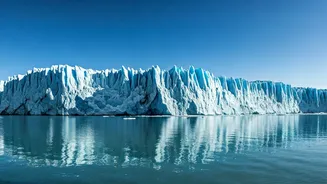
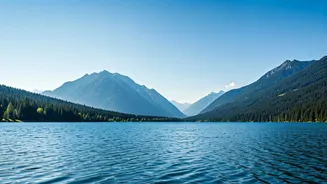
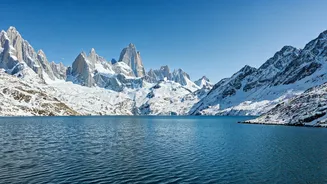
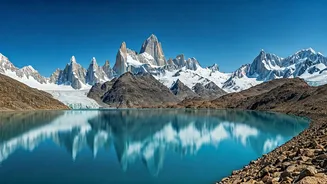
Thinking outside the box can lead to the ultimate cool-down. When it's summer in the Northern Hemisphere, it's winter down south. This makes places like Patagonia in Chile and Argentina an incredible choice for adventurers seeking starkly beautiful landscapes and crisp, cool air without the extreme winter conditions. Closer to home for many, Canada's vast wilderness, from the Rocky Mountains in Banff to the coastal breezes of the Maritimes, offers a perfect escape from the heat. In the United States, Alaska’s Denali National Park comes alive in summer with long days, abundant wildlife, and refreshingly mild temperatures. These destinations prove that an unforgettable summer adventure doesn't have to involve a heatwave.