




The Science of the Skin
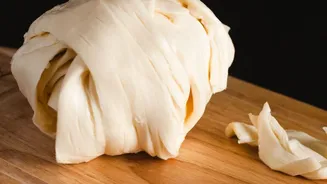
That thin, tough, leathery layer that can form on resting dough has a simple cause: evaporation. When dough is exposed to air, the moisture on its surface begins to evaporate, leaving behind a dry, crust-like skin. The process is similar to how a puddle
dries on a sunny day. The drier the air in your kitchen, the faster this skin will form. While it might seem harmless, this skin is the enemy of a good rise and a great final loaf. It’s essentially the same dough, just dehydrated, but its impact is significant.
Why a Dry Skin Is Bad for Your Bread
A skin on your dough is more than just a cosmetic issue; it physically restricts the dough's ability to expand. During proofing (the final rise), yeast produces carbon dioxide gas, creating bubbles that make the dough swell. A dry, inelastic skin acts like a straitjacket, preventing the dough from achieving its full volume. This leads to a denser, heavier loaf. Furthermore, that skin doesn't just disappear in the oven. It can bake into a thick, tough, and often pale section of the crust, creating a flawed texture and preventing the beautiful, springy rise in the oven—known as 'oven spring'—that bakers strive for.
Your Best Covering Options
The goal is to trap humidity and keep the air around the dough moist. Luckily, you have several effective, low-tech options. Plastic wrap offers a great seal and is a popular choice for its convenience, though it's not the most eco-friendly. Reusable options are often better. A simple plate or a pot lid placed over the bowl works well for the first rise. Many bakers swear by reusable plastic shower caps, which fit snugly over various bowl sizes. For larger batches, you can place the entire bowl inside a clean, food-safe plastic bag. Even inverting a larger bowl over a smaller one can create the perfect humid micro-environment for your dough to thrive.
The Great 'Damp Towel' Debate
Grandma’s method of using a tea towel is classic, but it comes with caveats. A dry towel is porous and allows air to pass through, which can still lead to a skin forming, especially on long proofs. A damp towel is a better option, as the moisture from the towel helps maintain humidity. However, if the proofing time is long, the towel itself can dry out and may need to be re-dampened. Another risk is the towel sticking to the dough, especially with higher-hydration recipes. A lint-free linen or flour-sack towel is preferable to terry cloth to avoid both sticking and leaving behind unwanted fibres.
Don't Forget the Oil
You may have noticed many recipes call for placing the dough in an oiled bowl and turning it to coat. This isn't just to prevent sticking. The thin layer of oil acts as a physical barrier, adding an extra layer of insurance against moisture loss. It essentially waterproofs the dough's surface, keeping it soft and pliable. While a cover is still the most critical element, a slick of oil provides excellent backup protection. It ensures that even if your cover isn't perfectly airtight, your dough remains supple and ready to rise without restriction. This combination of oil and a good cover is the professional's one-two punch for perfect proofing.