





The Blood Sugar Rollercoaster
When we consume carbohydrates, our body breaks them down into glucose, or sugar, which enters the bloodstream. This signals the pancreas to release insulin, a hormone that helps our cells use this glucose for energy. Ideally, this process is slow and
steady. However, certain foods cause a rapid surge in blood glucose, leading to a large insulin response. This is often followed by a sharp drop, or 'crash', leaving you feeling fatigued, irritable, and craving more sugary foods.
Decoding the 'Healthy' Snack Aisle
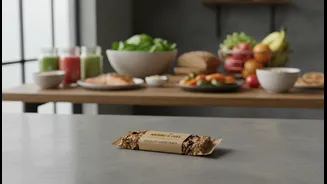
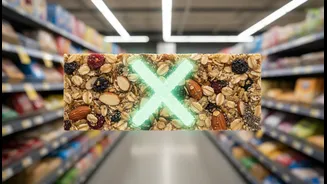
The front of a package is prime marketing real estate, often filled with appealing buzzwords like 'natural', 'gluten-free', 'high-protein', or 'low-fat'. While not always untrue, these claims don't provide the full picture of a product's nutritional value. A granola bar might be packed with 'natural' oats, but also loaded with various syrups and sweeteners. To make healthier choices, the nutrition facts panel and the ingredients list on the back are far more important than the claims on the front.
The Low-Fat Fallacy
For decades, fat was vilified, leading to a boom in 'low-fat' products. The problem is that when manufacturers remove fat, they often remove flavour and texture. To compensate, they frequently add sugar, refined starches, and salt. A low-fat flavoured yogurt, for example, can contain significantly more sugar than its full-fat, plain counterpart. These added sugars and refined carbs are digested quickly, leading to the very blood sugar spikes you might be trying to avoid.
The Problem with Ultra-Processing
Even snacks made with seemingly wholesome ingredients can be problematic due to processing. Grains that are milled into fine flour, oats that are puffed, and fruits that are juiced or turned into pastes have their fibrous structures altered. This makes them easier for our bodies to break down, accelerating their conversion to glucose. A whole oat takes longer to digest than an instant oat, and an apple provides more fibre and a slower sugar release than apple juice. Rice cakes, often seen as a diet-friendly snack, are made from refined grains and can have a high glycemic index, meaning they can raise blood sugar quickly.
Hidden Sugars in Plain Sight
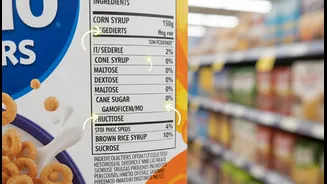
Manufacturers use dozens of names for sugar on ingredient labels, including cane syrup, agave nectar, fruit juice concentrate, and dextrose. It's common to find multiple types of sugar in a single 'healthy' granola or protein bar. Dried fruit, while natural, is a concentrated source of sugar as the water has been removed. Combined with high-glycemic ingredients like puffed rice or cornflakes, these bars can act more like candy in terms of their effect on your blood sugar.
Smarter Snacking Strategies
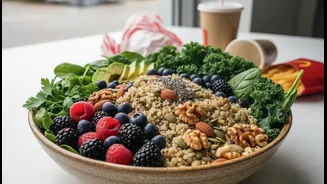
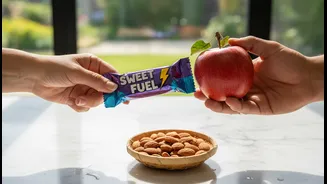
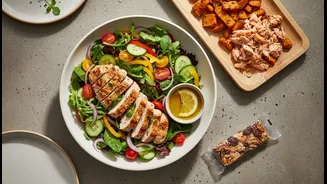
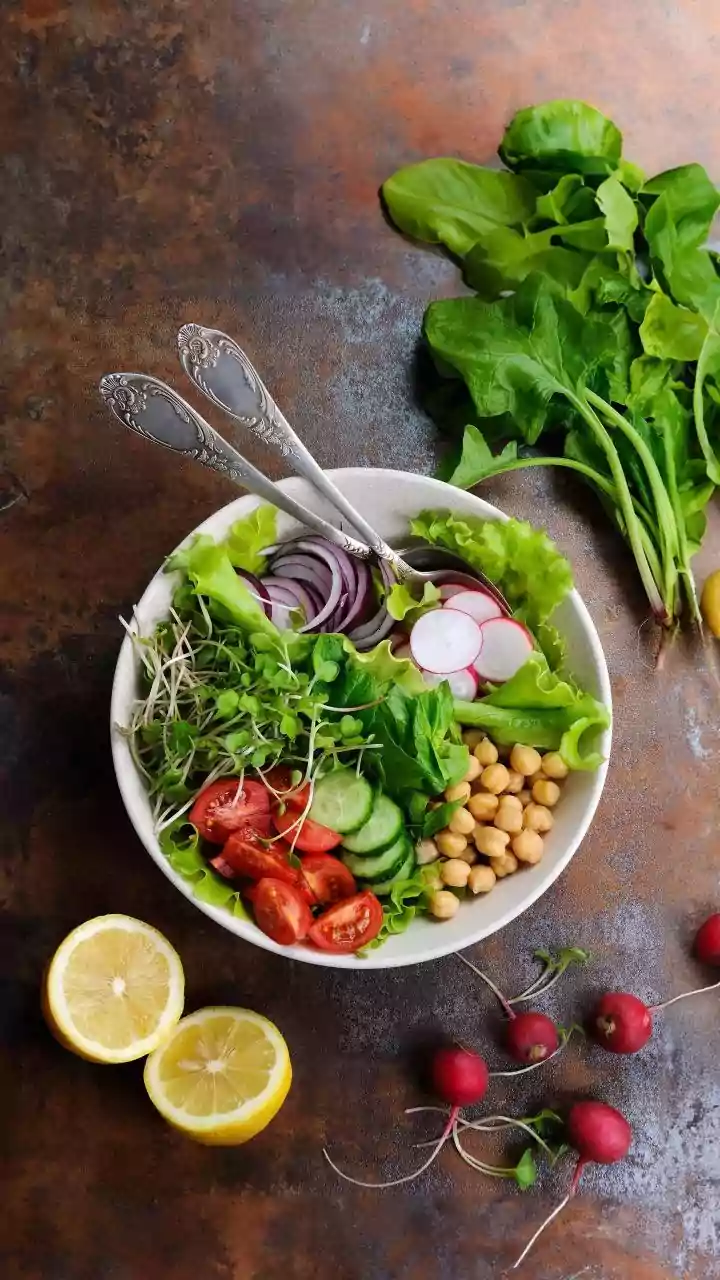
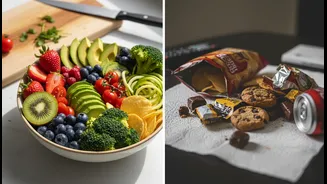
Stabilising blood sugar doesn't mean you have to give up snacking. The key is to choose smarter. Opt for whole, minimally processed foods like a piece of fruit, a handful of nuts, or vegetables with hummus. When you do eat carbohydrates, pairing them with protein, healthy fats, or fibre can slow down glucose absorption and prevent sharp spikes. For example, instead of a plain rice cake, have a whole-grain cracker with a slice of cheese or avocado. Always read the ingredients list and prioritise foods with shorter, more recognisable ingredients.