





What Exactly Is a Dark Store?
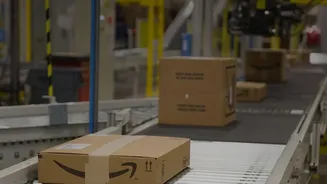
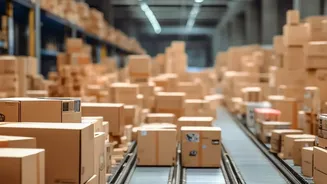
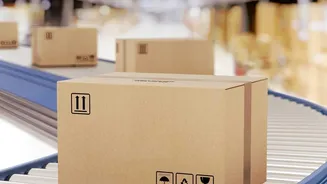
Think of a dark store as a mini-warehouse, not a retail shop. Closed to the public, these spaces are designed purely for processing online orders at lightning speed. Instead of aisles for browsing, they have racks optimized for pickers to quickly grab
items for an order. Typically occupying 1,500 to 5,000 square feet, each dark store serves a hyperlocal delivery radius of just a few kilometres, forming the backbone of the quick commerce model promising delivery in minutes. Platforms like Blinkit, Zepto, and Swiggy Instamart have blanketed the country with these facilities, with India hosting over 6,000 dark stores by early 2026.
The Rush Beyond the Metros
For years, quick commerce was a metro phenomenon. Today, the real growth story is in Tier 2 and Tier 3 cities. With markets in Delhi and Mumbai becoming saturated, companies are aggressively expanding into cities like Lucknow, Jaipur, Coimbatore, Indore, and Chandigarh to find new customers. This push is fuelled by rising internet penetration, growing disposable incomes, and a surge in consumer aspirations in these urban centres. A recent report highlighted that hiring in these smaller cities grew 21% year-on-year, outpacing metro hubs, with e-commerce and logistics being major drivers. Companies find it more cost-effective to set up operations in these locations due to more affordable real estate.
A New Engine for Local Employment
Each new dark store is a micro-employment hub. A typical facility employs between 8 to 15 people, including pickers, packers, shift supervisors, and inventory managers. Beyond the store itself, the model relies on a vast network of delivery partners to handle the last-mile logistics. This has created a surge in blue-collar jobs, with the quick commerce sector projected to create half a million new roles. These are not just gig-worker positions; companies are also hiring for specialised roles like key account managers, category managers, and supply chain experts to manage operations across these new markets. The festive season, in particular, sees a massive spike in hiring for roles from warehouse associates to customer support executives.
The Quality and Nature of Work
The jobs created by quick commerce offer a crucial entry point into the workforce for many young people, especially when formal jobs are scarce. For delivery partners, the dark store model is often preferable to traditional food delivery, as it eliminates restaurant wait times and involves shorter, more efficient routes within a small radius, saving fuel and time. However, the quality of these jobs remains a topic of debate. While they provide immediate income, concerns about precariousness, fluctuating pay based on algorithms, and the lack of robust social security benefits like insurance and long-term career progression are significant. Recent government directives to move away from '10-minute delivery' promises aim to reduce pressure and improve worker safety.
The Road Ahead for Dark Stores
The expansion of dark stores shows no signs of slowing down, with major players continuing to upgrade their rollout targets. This trend is a double-edged sword for secondary cities. On one hand, it brings investment, formalises parts of the logistics chain, and creates much-needed jobs. On the other, it poses a challenge to traditional kirana stores and raises questions about the long-term sustainability of a business model that is still largely unprofitable. The future will depend on whether these platforms can build a profitable, sustainable, and responsible ecosystem that not only serves customers but also provides stable, dignified work for the thousands flocking to these new jobs.