




A New Chapter for Wellness
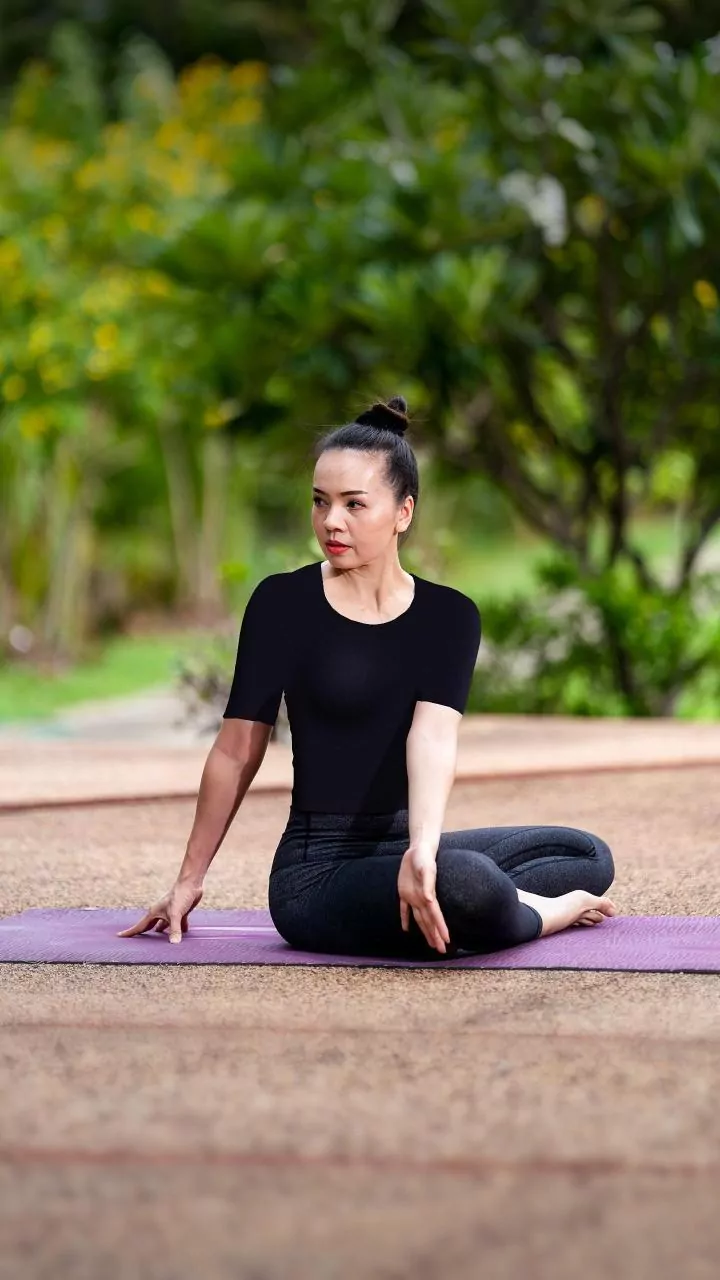
The familiar scene of a morning yoga class is changing. Alongside millennials in trendy activewear, you’ll now find retirees in comfortable cottons, moving with intention and focus. Yoga studios from Mumbai to Bengaluru are reporting a significant uptick
in registrations from individuals over 50. This isn't just a post-pandemic blip; it's a fundamental shift in how Indians are approaching their later years. Instead of viewing ageing as a period of decline, a growing number of seniors are proactively seeking ways to enhance their vitality, and yoga has emerged as a powerful, accessible tool. They are trading passive retirement for an active pursuit of well-being, driven by a desire for independence, community, and mental peace.
Beyond the Physical Asana
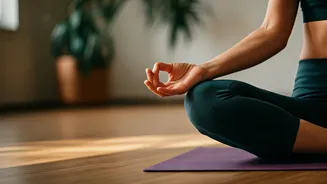
While the physical benefits of yoga for older adults are well-documented, the current trend is about more than just improved balance and stronger joints. For many, it’s a powerful antidote to the loneliness and social isolation that can accompany retirement. The studio becomes a 'third place'—a community hub outside of home and family where they can build new friendships and share experiences. Instructors note that these classes often have a unique energy, filled with laughter, mutual support, and a shared sense of purpose. Participants aren't just learning asanas; they are rebuilding social networks and finding a new rhythm for their days, which is crucial for cognitive health and emotional resilience.
The Science of Ageing Gracefully
The appeal of yoga for healthy ageing is strongly backed by science. Regular, gentle practice has been shown to deliver a host of benefits tailored to the needs of an ageing body. Improved proprioception (the body's awareness of its position in space) helps reduce the risk of falls, a major concern for seniors. Weight-bearing poses can help maintain bone density, combating osteoporosis. Furthermore, the focus on deep, mindful breathing (pranayama) can lower blood pressure, improve sleep quality, and significantly reduce stress and anxiety. Unlike high-impact exercises, yoga is low-risk and infinitely adaptable, making it a sustainable practice that can be continued for decades.
Choosing the Right Path and Practice
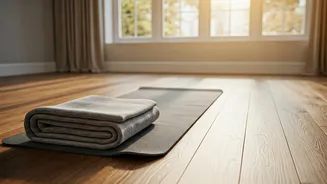
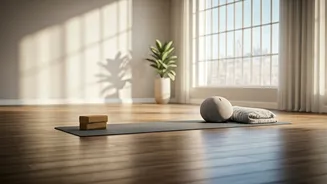
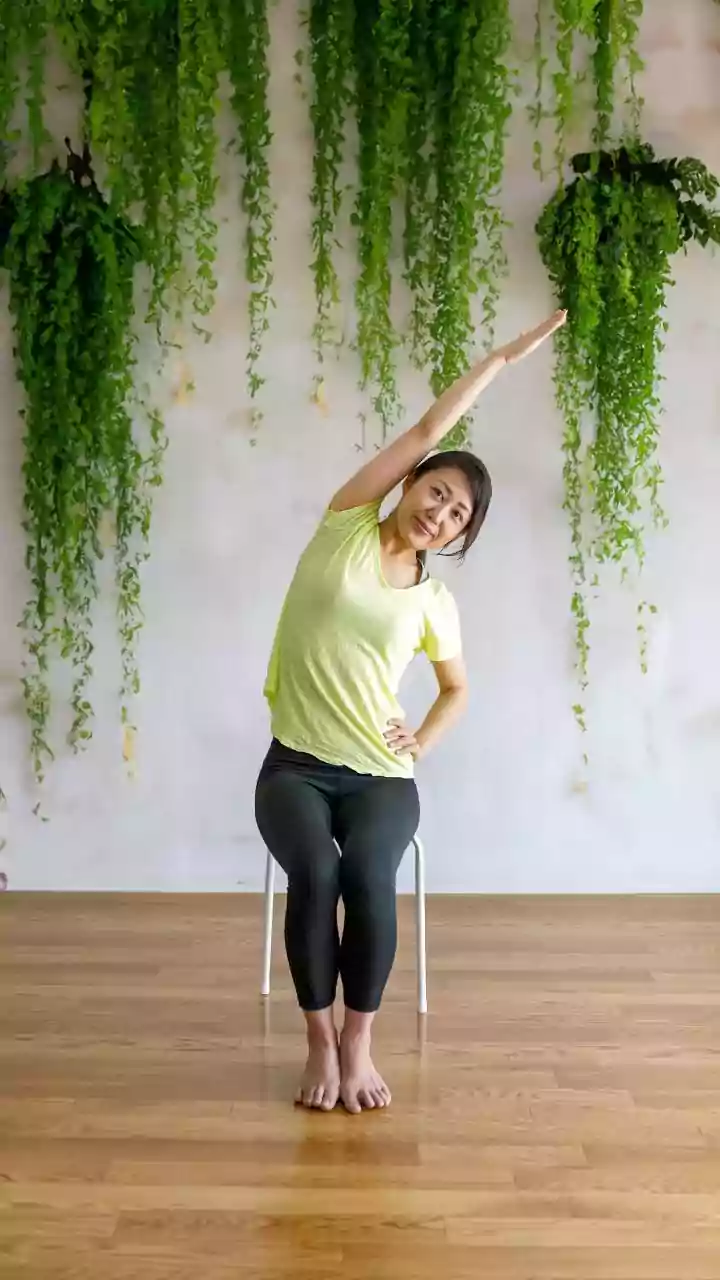
The key to a successful yoga journey in later life is finding the right style and a qualified instructor. Not all yoga is suitable for every body. Studios are responding to this new demographic by offering specialised classes. 'Gentle Yoga' focuses on slow, mindful movements and basic poses. 'Chair Yoga' is a fantastic option for those with mobility or balance issues, offering all the benefits of yoga without the need to get on the floor. 'Restorative Yoga' uses props like bolsters and blankets to support the body in comfortable poses, promoting deep relaxation. When choosing a class, it's crucial to find an instructor who is experienced in teaching older adults and can offer safe modifications for conditions like arthritis, high blood pressure, or joint replacements.
Starting Your Journey Safely
If you or a loved one are considering yoga, the first step is to have a conversation with a doctor. Once cleared for activity, look for a beginner-friendly class specifically for seniors. Don't be intimidated. The goal isn't to twist into a pretzel, but to listen to your body and move in a way that feels good. A good teacher will always emphasize safety and self-awareness over achieving a 'perfect' pose. Arrive a few minutes early to speak with the instructor about any physical limitations or concerns. Remember, the journey into yoga is a personal one, and consistency matters more than intensity.