



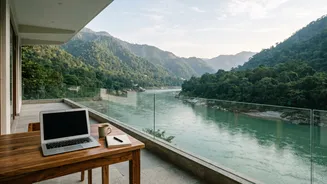


The New Professional Pilgrimage
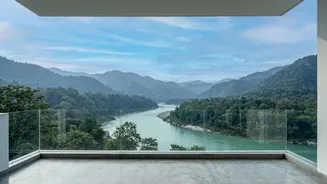
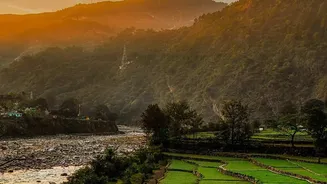
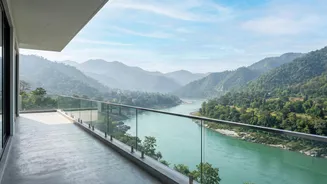
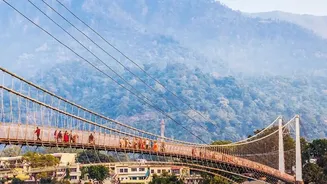
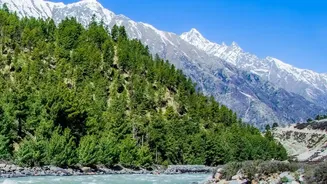
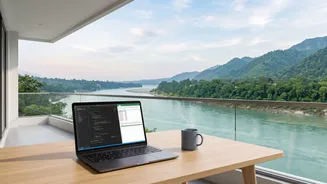
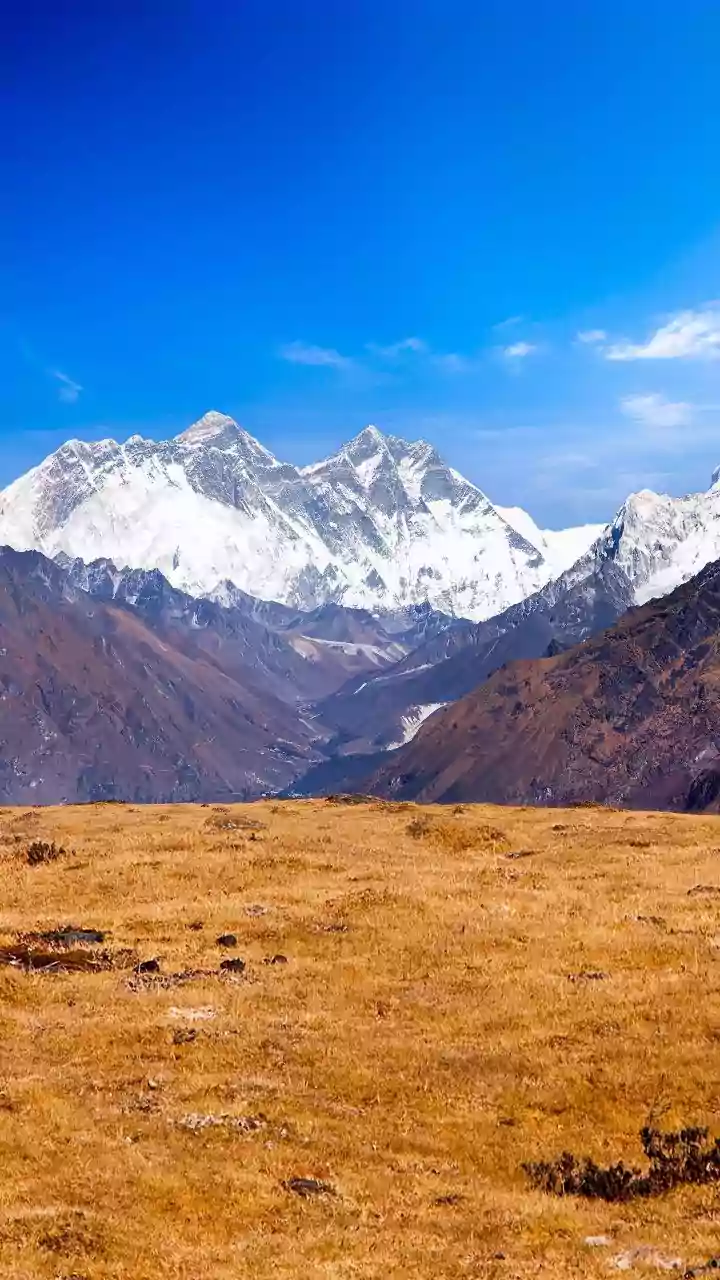
The corner office view is no longer a high-rise skyline but the rolling Himalayan foothills. A significant trend is emerging where young tech and creative professionals are packing their laptops and migrating for weeks or months at a time. They aren't
on vacation, but on a 'workation'—a lifestyle that merges professional productivity with personal well-being. This movement is particularly strong among those from the bustling tech hubs of Delhi-NCR and Jaipur. Rishikesh, long known as India's spiritual and yoga capital, has become their destination of choice, offering a unique escape without sacrificing career commitments. The rise of flexible and remote work culture, accelerated in recent years, has made this possible, allowing workers to trade urban chaos for mountain calm.
Why Rishikesh Is the Perfect Basecamp
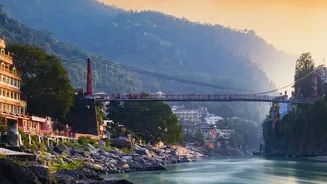
What makes Rishikesh so appealing? It’s more than just the stunning scenery. The town presents a rare combination of modern infrastructure and ancient wellness traditions. The game-changer has been the arrival of high-speed fibre internet, which has transformed the area into a viable hub for digital nomads. Professionals are drawn to the idea that after a demanding day of coding or client calls, they can be meditating by the Ganga, attending a sunset yoga class, or planning a weekend trek within minutes. This seamless blend of productivity and peace sets it apart. The environment doesn't just offer a backdrop; it provides a 'natural reset' for the mind, which many find boosts creativity and focus.
The Co-Living Revolution
At the heart of this trend are the co-living spaces and modern hostels that have sprung up, especially in quieter neighbourhoods like Tapovan. These are not traditional hotels. They are integrated ecosystems designed for the modern remote worker. A typical co-living hub offers a package: a comfortable bed, reliable high-speed Wi-Fi with power backup, dedicated co-working areas, and, most importantly, a built-in community. These spaces foster collaboration and networking, allowing solo professionals and even entire remote teams to connect with like-minded individuals from diverse fields. This model removes the logistical hassles of setting up a temporary base, enabling residents to be productive from the moment they arrive.
A Day in the Life of a Workationer
A typical day in Rishikesh is a study in balance. Mornings might begin with a yoga session or a quiet walk along the river, followed by several hours of focused work in a sunlit co-working lounge. Lunch is often a simple, healthy meal, sometimes communal. The afternoon could be for calls and lighter tasks, punctuated by a chai break with a view. Evenings are for unwinding—perhaps attending the Ganga aarti, exploring local cafes, or joining a jam session with other residents. Weekends are reserved for adventure, with options for white-water rafting, hiking to waterfalls, or visiting nearby spiritual sites. It’s a structured yet flexible routine that prioritizes both deadlines and well-being.
The Economics of Working from the Hills
Beyond the lifestyle benefits, the financial aspect is a major draw. For many, a workation in Rishikesh is surprisingly affordable. The cost of living in a well-equipped co-living space can be significantly lower than renting an apartment and paying for utilities and Wi-Fi in a metro city like Delhi or Gurgaon. Many hostels and co-living hubs offer monthly packages that include accommodation, meals, and workspace access for figures that are highly competitive. For example, monthly stays in a shared dorm designed for remote workers can be found for under ₹20,000, a budget that covers essentials and allows for a comfortable stay. This financial feasibility makes the dream of working from the mountains a practical reality for a growing number of young professionals.
Not Without Its Challenges
However, the workation lifestyle is not a complete paradise. The primary challenge remains connectivity. While drastically improved, internet stability can still be an issue, especially during peak tourist seasons or adverse weather. Power cuts, though often mitigated by backups, can also disrupt workflow. Furthermore, the line between 'work' and 'vacation' can blur, leading to distractions and a potential drop in productivity if a disciplined routine isn't maintained. Finding the right balance requires self-awareness and setting clear boundaries to ensure that the tranquil environment enhances work rather than hinders it. Many veterans of the lifestyle advise carrying a personal hotspot as a backup and planning offline tasks for potential downtimes.