






From Background Player to Main Star
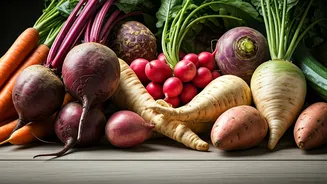
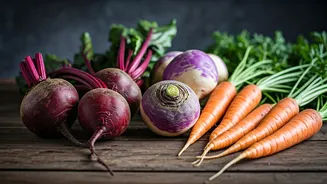
For decades, many root vegetables were relegated to the sidelines of the Indian plate. Carrots were for halwa, potatoes were for everything, and beets were the stuff of obligatory salads. Turnips (*shalgam*), parsnips, and taro root (*arbi*) were often
seen as old-fashioned, ingredients from a grandmother's kitchen that lacked modern appeal. But a quiet revolution has been simmering. In restaurants and home kitchens across the country, these underground treasures are being rediscovered and celebrated not just for their ability to bulk up a dish, but for their own distinct, complex flavours. This isn't just about nostalgia; it's a conscious culinary shift towards ingredients that are earthy, affordable, and incredibly versatile.
The Chef-Led Flavour Revolution
Much of this newfound 'cred' comes from chefs who are championing a nose-to-tail philosophy for vegetables. They are exploring techniques that coax incredible flavour from simple roots. Roasting, for example, transforms the starches into sugars, caramelising a carrot or sweet potato to bring out its inherent sweetness. Slow-cooking a turnip can mellow its peppery bite into a delicate, savoury note. Chefs are making beetroot tikkis that are vibrant and earthy, creamy *arbi* curries that rival any paneer dish, and even using parsnips to create silky, flavourful soups. By treating a humble *gajar* with the same respect as an expensive, imported asparagus spear, they’ve shown us that complexity doesn't have to come from a fancy bottle; it can be dug up from the ground.
The Appeal of Eating Seasonally
The return of root vegetables is also tied to the growing movement towards seasonal and local eating. As awareness about our carbon footprint grows, consumers are looking for ingredients that don’t have to be flown halfway across the world. Root vegetables are the champions of seasonality, especially in the cooler months. They are hardy, grow well in Indian climates, and have a naturally long shelf life, which helps in reducing food waste. Buying a bunch of fresh, muddy carrots or firm, vibrant beetroots from a local vendor not only supports the local economy but also connects us to the cycles of nature. It’s a simple, powerful way to eat more sustainably without sacrificing flavour or nutrition.
Nutritional Powerhouses Under Our Feet
Beyond their taste and eco-friendly credentials, root vegetables are nutritional giants. They are typically packed with fibre, which is essential for good digestion and helps keep you feeling full for longer. Many are rich in essential vitamins and minerals. Carrots and sweet potatoes are famous for their high Vitamin A content, which is crucial for vision and immune function. Beetroots are a fantastic source of folate and manganese, and studies suggest their nitrates can help improve blood flow. Most are also complex carbohydrates, providing sustained energy without the sharp blood sugar spike associated with refined carbs. They are, in essence, a perfect package of flavour, fibre, and fuel.
Easy Ways to Reintroduce Roots
Bringing this trend into your kitchen is easier than you think. You don’t need a fancy recipe to start. **The 'Roast Everything' Method:** This is the simplest and most effective way to fall in love with root vegetables. Chop carrots, sweet potatoes, turnips, and beets into uniform chunks. Toss them with a little oil, salt, pepper, and maybe some cumin or coriander powder. Roast in a hot oven until tender and slightly caramelised at the edges. **Mash It Up:** Move beyond mashed potatoes. A mash of boiled sweet potato and turnip with a dash of butter and black pepper is delicious. Or try mashing boiled *arbi* with mustard oil, green chillies, and salt for a rustic side dish. **Shave Them Raw:** Use a peeler to create thin ribbons of carrot and beetroot. Toss with lemon juice, salt, and fresh coriander for a quick, crunchy, and colourful salad.