






1. Ignoring Hyper-Local Weather Alerts
A general forecast for “rain” isn’t enough during monsoon. The biggest mistake is treating all rain as a minor inconvenience. You need to check for hyper-local warnings about the intensity of the downpour, potential flash floods, and landslide alerts,
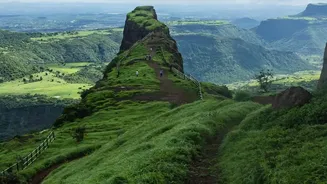
especially if you're heading to hill stations or coastal areas. Many regions, like those in Himachal Pradesh, Uttarakhand, and Kerala, become vulnerable to landslides, and roads can get blocked for days. Official alerts from local authorities can mean the difference between a scenic drive and being stranded.
2. Choosing the Wrong Destination
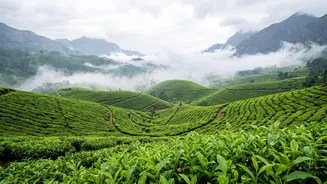
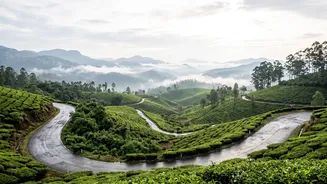
Not all destinations are created equal in the rain. While places like Coorg and Munnar are famed for their monsoon beauty, others become inaccessible or dangerous. Areas prone to landslides, such as parts of the Himalayas or the Western Ghats, should be approached with caution. Ferry services to islands like the Andamans can be cancelled due to rough seas, and remote valleys can be cut off entirely. Before booking, research which places are known for their monsoon charm versus those that are best avoided until the weather clears.
3. Packing the Wrong Gear
Your packing strategy needs a serious monsoon-specific upgrade. Cotton clothes are a bad idea as they take ages to dry in the high humidity. Instead, opt for lightweight, synthetic, quick-dry fabrics. Essential gear includes a reliable raincoat, waterproof footwear with good grip to handle slippery paths, and an umbrella. Protecting your valuables is also critical; waterproof bags, pouches, or even simple ziplock bags can save your phone, wallet, and documents from a sudden downpour.
4. Creating an Unrealistic Itinerary
One of the most common mistakes is packing your schedule too tightly. Monsoon travel is unpredictable. Weather can cause significant delays, from waterlogged roads to cancelled flights and trains. Build buffer time into your itinerary. Plan for fewer activities and be prepared to be flexible. Trying to stick to a rigid, pre-booked schedule when conditions are unsafe is a recipe for disaster. Sometimes the best plan is to relax at your hotel with a book and a hot drink.
5. Neglecting Health and Hygiene
The monsoon season sees a spike in waterborne and mosquito-borne illnesses. Gastrointestinal infections increase significantly during these months. It’s crucial to drink only sealed bottled water or filtered water and to be wary of street food, where hygiene can be compromised by contaminated water sources. Chutneys and other items left in the open can grow bacteria rapidly in the humid air. Also, mosquitoes thrive in the damp conditions, so a strong insect repellent is a must-pack item.
6. Forgetting to Prep Your Vehicle
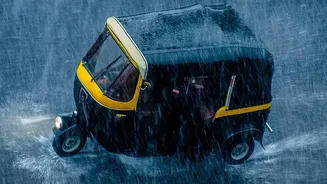
If you're planning a road trip, your car needs to be monsoon-ready. Don't head out without checking your tyres for good tread, ensuring your wipers are working effectively, and that your brakes are in top condition. Driving on slippery, waterlogged roads is challenging, and local drivers often have better knowledge of safe routes. Avoid driving through flooded roads, as the water can be deeper than it appears and may conceal potholes or debris. A pre-trip vehicle check is a non-negotiable safety step.
7. Depending on a Single Plan
Relying on a single road, flight connection, or non-refundable booking is risky during the monsoon. Travel insurance that covers weather-related disruptions can be a lifesaver. Always have a backup plan. What if the road to your primary destination is blocked? Is there a nearby alternative? Save offline maps and have the contact details for local authorities and your hotel easily accessible. Power cuts are also common, so a fully charged power bank is essential for staying connected.