




The Secret to Silky, Lump-Free Soups
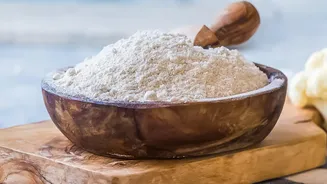
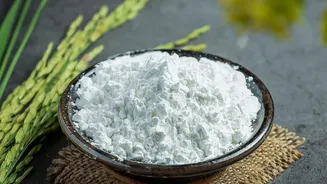
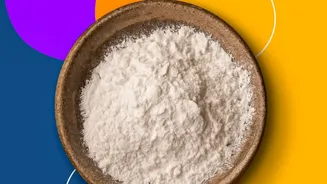
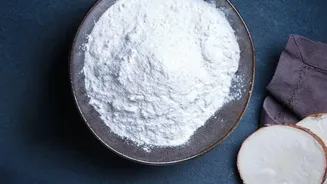
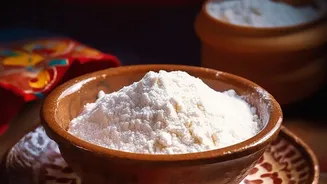
Arrowroot flour, also called arrowroot starch, is a fine, gluten-free powder extracted from a tropical plant. It’s a fantastic alternative to cornstarch or wheat flour for thickening because it's virtually tasteless and creates a beautifully clear, glossy
finish. However, there’s one golden rule: never add arrowroot powder directly to hot liquid. Doing so will cause it to instantly form stubborn clumps. The correct method is to create a 'slurry'. A slurry is a simple mixture of the starch with a small amount of cold liquid, stirred until completely smooth. A good ratio to start with is equal parts arrowroot powder and cold water. This slurry is then whisked into your simmering soup at the end of the cooking process. The starch granules will swell almost immediately, thickening the soup in about a minute. Be careful not to boil it for too long, as prolonged heat can cause the arrowroot to lose its thickening power.
1. Classic Creamy Vegetable Soup
A creamy vegetable soup is the perfect canvas for an arrowroot slurry, especially if you want to avoid dairy or heavy cream. For this recipe, start by sautéing your base vegetables like onions, carrots, and celery until soft. Add broccoli, potatoes, or any other vegetables you like, along with vegetable broth. Bring the soup to a simmer and cook until the vegetables are tender. At this stage, you can use an immersion blender to puree the soup to your desired smoothness. To thicken, prepare your slurry by mixing one tablespoon of arrowroot with one tablespoon of cold water until smooth. Slowly whisk the slurry into the simmering soup. Continue to stir gently for a minute or two as the soup thickens to a rich, velvety consistency without altering the fresh vegetable flavour.
2. Hearty Beef and Vegetable Stew
A thick, hearty stew demands a robust thickener that won't make the broth cloudy. Arrowroot is an excellent choice. Begin by searing your beef stew meat. Then, in a large pot or slow cooker, combine the beef with potatoes, carrots, onions, and beef broth, along with herbs like thyme and rosemary. Let it simmer for several hours until the meat is melt-in-your-mouth tender. About 15 minutes before serving, prepare your slurry. For a large pot of stew, you might need two tablespoons of arrowroot powder mixed with a quarter cup of cold water. Pour the slurry into the stew while stirring continuously. The stew will transform from brothy to rich and thick, clinging perfectly to the meat and vegetables.
3. Silky Lemon Chicken Soup
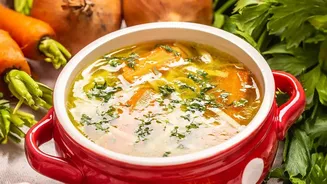
Even lighter, broth-based soups can benefit from a little added body, and arrowroot excels here because it doesn't mask delicate flavours. For a zesty lemon chicken soup, simmer shredded cooked chicken, orzo, and vegetables like carrots and celery in a quality chicken broth. Once the orzo is cooked, you'll want to give the broth a slight lift. A small slurry—perhaps two teaspoons of arrowroot mixed with two teaspoons of cold water—is all you need. Whisk it into the pot and simmer for just a minute. The result is a soup that's still light but has a more luxurious, silky mouthfeel that perfectly complements the bright lemon and savoury chicken. Arrowroot is particularly good with acidic ingredients like lemon, a situation where cornstarch can sometimes struggle.
4. Spicy Black Bean Soup
For vegan and vegetarian soups, arrowroot is an indispensable tool for creating a creamy texture without any dairy products. A spicy black bean soup is a prime example. After sautéing onions, garlic, and peppers, add black beans, vegetable broth, and spices like cumin and chilli powder. Simmer to allow the flavours to meld, then use an immersion blender to partially or fully blend the soup. It will likely still be thinner than desired. This is where your slurry comes in. Mix a tablespoon or two of arrowroot with cold water and stir it into the simmering soup. The arrowroot will give the soup a satisfying thickness and richness that feels incredibly comforting, enhancing the heartiness of the beans.
5. Gingered Carrot and Coconut Soup
In soups with Asian-inspired flavours, arrowroot’s neutral taste is a major asset, allowing spices like ginger to shine. To make a vibrant gingered carrot soup, sauté onions and fresh ginger, then add chopped carrots and cover with a mix of vegetable broth and coconut milk. Simmer until the carrots are soft, then blend until smooth. The coconut milk adds creaminess, but arrowroot provides the final touch of thickness. A simple slurry whisked in at the end will give the soup a perfect, velvety consistency that is neither too thin nor too heavy. Because arrowroot also freezes well, this is a great recipe to make in batches.