






The Foundation: Millets and Whole Grains
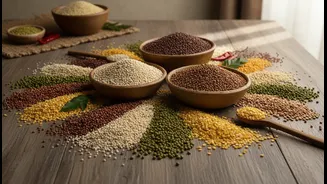
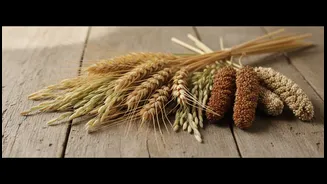
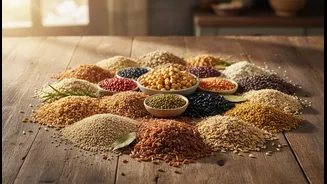
The base of any Indian meal, the grain, is the easiest place to start. While whole wheat rotis are a good source of fibre, the real heroes are India's indigenous millets. Grains like jowar (sorghum), bajra (pearl millet), and ragi (finger millet) are packed
with dietary fibre. For example, 100 grams of bajra contain around 11 grams of fibre, while jowar has about 10 grams. Swapping refined flour chapatis for rotis or bhakris made from these millet flours is a simple, effective switch. These grains not only add bulk to your meal but also slow down digestion, helping to regulate blood sugar levels and keeping you feeling full for longer. Even choosing unpolished brown rice over white rice significantly increases your fibre intake.
The Heart of the Meal: Dals and Legumes
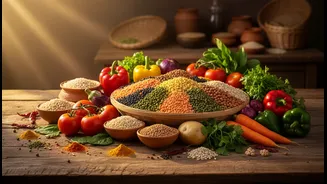
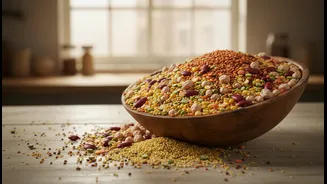
No Indian meal is complete without dal. Lentils and legumes are nutritional powerhouses, offering a potent combination of protein and fibre. Rajma (kidney beans) and chana (chickpeas) are among the richest sources, with a 100-gram serving providing up to 15 grams and 12 grams of fibre respectively. Common dals like masoor, moong, and toor are also excellent contributors, each providing between 7 to 10 grams of fibre per 100g. The fibre in pulses supports digestive health and promotes a healthy gut microbiome. To maximize benefits, aim to include a dal or a legume-based curry like chole or rajma with every main meal. Sprouted pulses, used in salads or as a side dish, are another fantastic way to boost both fibre and nutrient absorption.
The Colourful Powerhouse: Everyday Sabzis
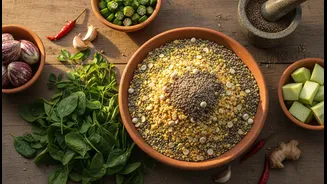
Vegetables, or sabzis, are a cornerstone of a fibre-rich diet, and Indian cuisine uses them in countless creative ways beyond just salads. Many common vegetables are excellent fibre sources. For instance, bhindi (okra), gawar (cluster beans), and leafy greens like spinach and fenugreek (methi) are loaded with both soluble and insoluble fibre. A good rule of thumb is to fill at least half your plate with vegetables. This doesn't have to be complicated. A simple lauki (bottle gourd) sabzi, a side of steamed green beans, or carrots and peas added to upma or poha can significantly increase the fibre content of your meal. Cooking methods like steaming or light stir-frying are preferable to heavy frying to retain the most nutritional value.
Smart Additions: Fruits, Nuts, and Seeds
Fibre can also be found in the smaller components of your meal and daily snacks. Eating a whole seasonal fruit, like a guava, apple, or papaya, is a far better choice than drinking its juice, as the pulp and skin contain most of the fibre. Guava is a standout, being one of the most fibre-rich fruits available. Nuts and seeds are another easy addition. A handful of almonds or walnuts makes for a great snack. You can also sprinkle flaxseeds or sesame seeds into your roti dough, chutneys, or on top of yogurt. Even snacks like roasted chana or makhana are fibre-rich options that can help you meet your daily goals without feeling like you're on a restrictive diet.
Putting It All Together: A High-Fibre Thali
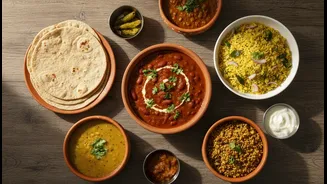
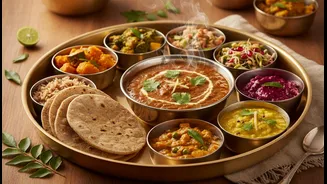
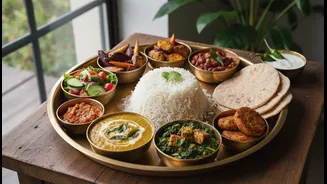
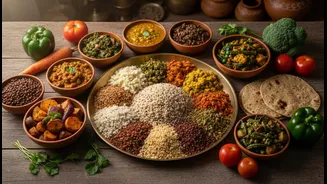
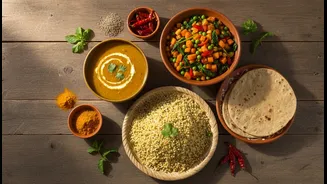
So, what does a genuinely fibre-rich Indian meal look like? Imagine a thali: two bajra rotis, a bowl of rajma, a generous serving of palak sabzi, and a side of cucumber and carrot salad (kachumber). For a non-vegetarian option, you could have a chicken curry with chickpeas added in. This single meal combines fibre from whole grains, legumes, and multiple vegetables, easily contributing a significant portion of the recommended daily intake of 25-38 grams. Accompaniments like a bowl of dahi or buttermilk can aid digestion, especially when increasing fibre intake. It’s a balanced, satisfying, and culturally familiar way to eat that naturally supports gut health, weight management, and stable energy levels.