




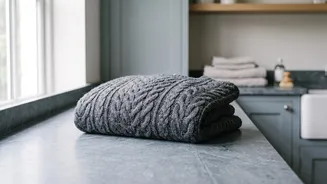
Your favourite woollen sweater is an investment in warmth and style. But keeping it soft, shapely, and free from damage requires more than just avoiding the dryer. Proper care ensures your cherished woollens can last for decades.
The Gentle Art of Washing
Wool’s natural fibres
are self-cleaning to a degree, meaning they don't need to be washed after every wear. In fact, over-washing can strip the fibres of their natural lanolin. When it's time for a clean, always check the care label first. Hand washing is the gold standard for gentle care. Use lukewarm water (around 30°C) and a mild, wool-specific detergent. Submerge the garment, gently swirl it, and let it soak for about 10 minutes. Avoid any harsh rubbing or wringing, which can cause the fibres to felt or stretch. If your machine has a dedicated wool cycle, that can be a safe alternative. Always use a cold water setting and place the item in a mesh laundry bag for protection.
Drying Without Disaster
The single biggest mistake in wool care is putting your garment in the tumble dryer. The combination of heat and agitation is a guaranteed recipe for shrinkage and fibre damage. Instead, gently squeeze excess water from the garment without wringing it. A great technique is to lay the wet sweater flat on a clean, dry towel. Roll the towel up with the sweater inside, like a swiss roll, and press gently to absorb more moisture. Then, unroll it and lay the garment flat on a fresh towel or a mesh drying rack, reshaping it as needed. Keep it away from direct sunlight or heat sources, like radiators, which can cause yellowing or damage. Never hang a wet wool sweater, as the weight of the water will stretch it out of shape.
Tackling Pills and Bobbles
Pilling, those small, fuzzy bobbles that appear on the surface of knitwear, is a natural result of friction during wear. While annoying, it’s easily managed. The most effective tools are a fabric shaver or a sweater comb. Lay the garment flat and use light, even strokes to shave or comb off the pills. A sweater comb is particularly good because it pulls the loose fibres out, which can prevent them from forming new pills later. For thicker, more robust knits, a pumice-like sweater stone can also work well. It's best to de-pill your woollens before washing to keep them looking smooth and fresh.
Smart Storage Solutions
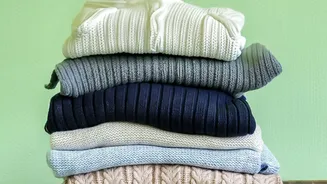
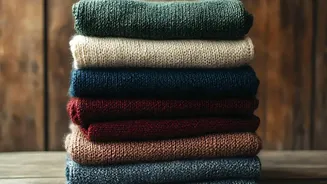
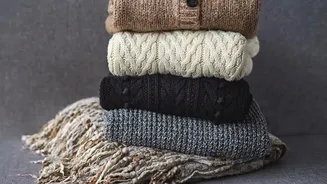
Proper storage is crucial, especially when packing woollens away at the end of winter. Moths are attracted to dirt, sweat, and food particles, so always clean your wool garments thoroughly before storing them for an extended period. Make sure they are completely dry, as even a small amount of moisture can lead to mildew. The best way to store sweaters is folded flat in a breathable container or garment bag; hanging can cause them to stretch over time. To deter pests, add natural repellents like cedar blocks or lavender sachets to your storage area. These create a scent that moths dislike. Avoid storing wool in plastic bags, which can trap moisture.