





An Allure of Natural Aesthetics
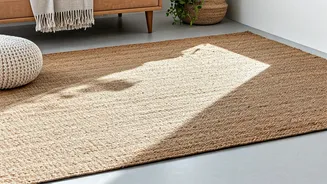
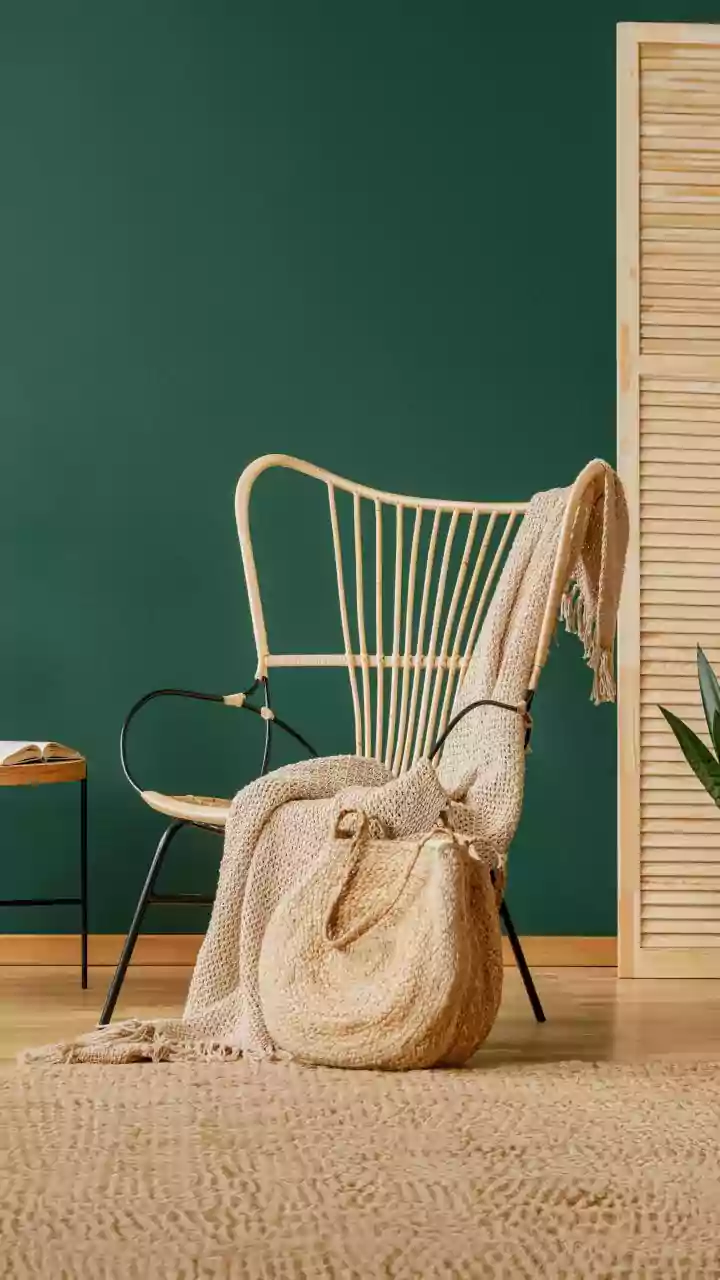
The primary driver behind jute's popularity is its unique aesthetic. Made from the fibres of the jute plant, these rugs bring an organic, textural element to a room that synthetic materials often struggle to replicate. [2, 17] Their natural, earthy tones—ranging
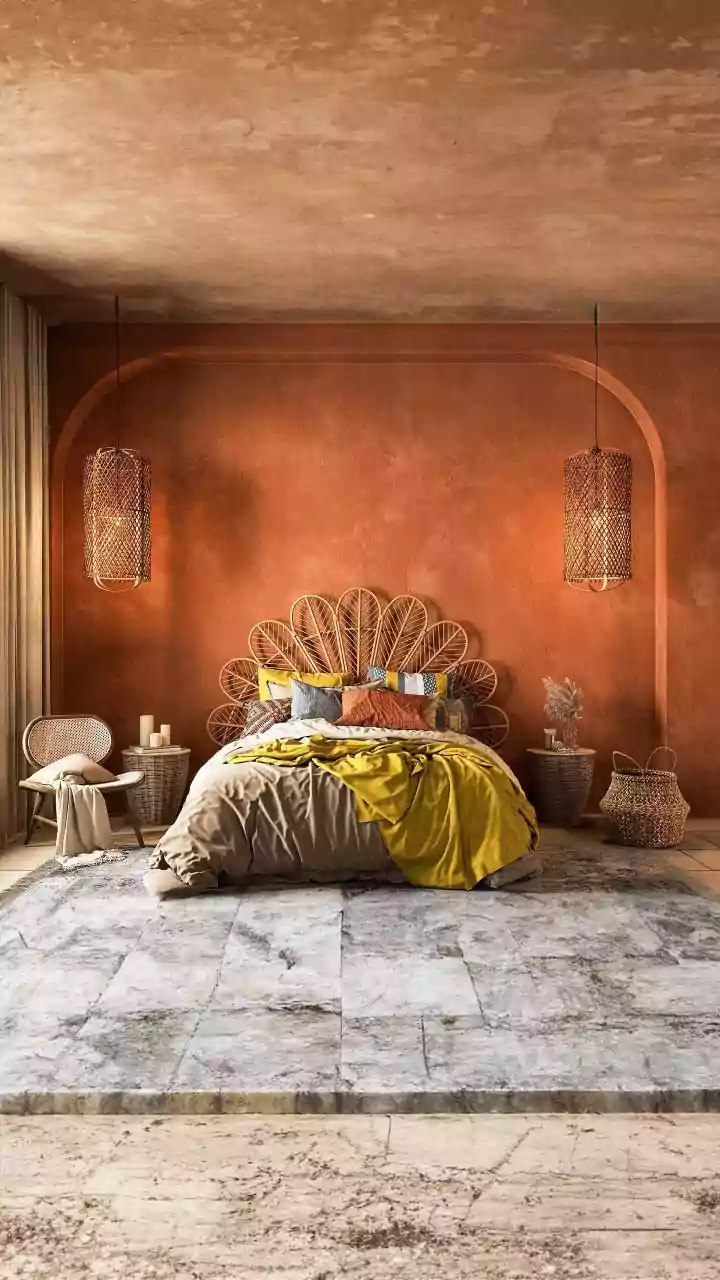
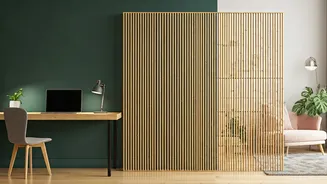
from golden tan to a soft brown—provide a neutral foundation that complements a wide variety of decor styles, from modern minimalist and coastal to rustic and bohemian. [7, 19] Unlike a bold, patterned carpet that can dominate a space, a jute rug adds warmth and visual interest without overwhelming other design elements. [17] It acts as a grounding force, creating a cohesive and calming atmosphere. [17]
The Eco-Friendly Footprint
In an era of increasing environmental awareness, the sustainability of jute is a significant draw. Jute is a fast-growing, renewable resource that requires minimal water, pesticides, or fertilisers to cultivate. [4, 9, 10] The fibres are also biodegradable, meaning a jute rug will naturally decompose at the end of its life, reducing landfill waste. [9, 10] This stands in stark contrast to many synthetic carpets, which are derived from non-renewable resources and can release chemicals into the home. [12] For homeowners looking to make more conscious purchasing decisions, choosing jute is a step towards a more sustainable household. [6]
Durability and Affordability
Jute rugs offer a compelling combination of durability and value. The natural fibres are strong and resilient, making them well-suited for areas with moderate foot traffic like living rooms and bedrooms. [4, 7, 21] While opinions on their suitability for high-traffic areas vary, with proper care, they hold up well. [1, 2, 3] Furthermore, jute is often significantly more affordable than wool or high-end synthetic rugs of a similar size. [3, 7] This allows homeowners to cover a large area and achieve a high-end, textured look without a hefty price tag, making stylish, natural decor more accessible. [3, 20]
Low Maintenance, Not No Maintenance
One of the practical benefits of a jute rug is its relatively easy care routine. The natural colour and weave are effective at hiding small amounts of dirt. [17] Regular vacuuming (without the beater bar) is usually all that’s needed to keep it clean. [5, 11, 15] However, jute is not without its challenges. The fibres are highly absorbent, which means spills must be blotted immediately to prevent staining and potential damage from moisture or mould. [1, 2, 8, 13] For this reason, jute rugs are not recommended for damp areas like bathrooms or basements. [2, 5, 8] They are also prone to shedding, especially when new, which can be managed with consistent vacuuming. [14, 18]
What to Consider Before Buying
Before swapping out your carpet, there are a few final points to consider. The texture of jute is coarser than that of a plush wool or cotton rug. [1, 3] While many enjoy the natural feel underfoot, it might not be the soft surface you desire for a child's playroom. [1] Additionally, the fibres can fade if placed in constant, direct sunlight, so placement is key. [1, 13] Despite these considerations, the move towards jute is about more than just a trend. It reflects a broader shift in interior design towards authenticity, sustainability, and a connection to natural materials. [7, 19]