


Understanding the Enemy: Root Rot
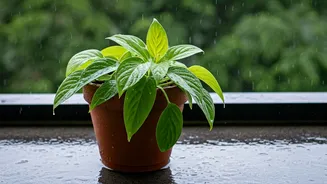
Root rot is exactly what it sounds like: the decay of plant roots, usually because they have been sitting in waterlogged soil for too long. Plant roots need oxygen to survive, but when soil is saturated with water, these air pockets disappear. This oxygen-deprived
environment suffocates the roots and creates an ideal breeding ground for fungi and bacteria that cause decay. The initial signs of trouble often appear above ground as yellowing leaves, stunted growth, or wilting even when the soil is wet—a clear sign the roots are no longer able to absorb water and nutrients. You might also notice a distinct sour or foul smell coming from the soil.
Your First Line of Defence: Pots and Drainage
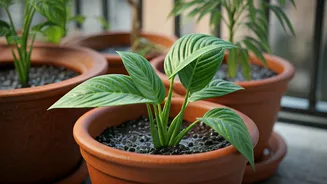
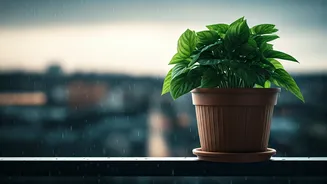
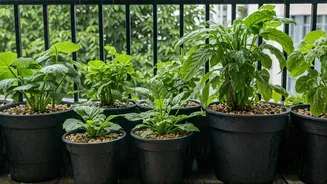
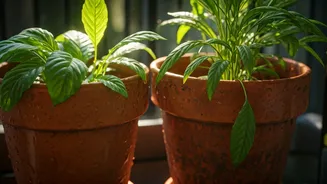
Preventing root rot begins before you even plant. The single most important factor is excellent drainage. Ensure every pot has multiple, clear drainage holes. If you fall in love with a decorative pot that has no holes, use it as a cachepot—place a functional nursery pot inside it and be sure to empty any collected water from the outer pot. Elevating your pots using bricks, stands, or pot feet can make a huge difference. This small gap prevents the drainage holes from getting blocked and allows air to circulate underneath, helping the soil dry out more evenly. Porous containers like terracotta are also a great choice for the monsoon, as they allow moisture to evaporate through their sides, helping to aerate the soil.
Building a Rot-Resistant Soil Mix
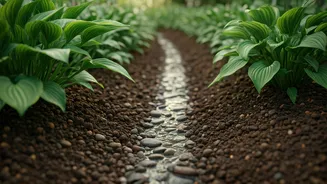
Standard garden soil is too dense for containers and will retain excessive water during the monsoon. The goal is to create a light, airy, and well-draining potting medium. A good monsoon mix involves combining several elements. Start with garden soil, but amend it heavily with materials that improve aeration and drainage. Coarse river sand is excellent for this. Adding perlite or pumice creates air pockets within the soil, which is crucial for root health. Finally, incorporate organic matter like coco peat and vermicompost. A reliable recipe could be equal parts garden soil, coarse sand, and a compost/coco peat mixture. This creates a blend that holds enough moisture for the plant but allows the excess to drain away quickly.
Rethink Your Watering Schedule
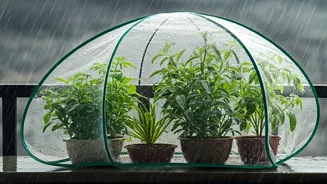
Overwatering is the primary cause of root rot, and during the monsoon, the rain often does most of the work for you. Abandon any fixed watering schedule. The only way to know if a plant needs water is to check the soil. Use the “finger test”: insert your finger two inches into the soil. If it feels dry at that depth, it's time to water. If it feels damp, wait. Even if the top layer looks dry, the soil deeper in the pot can still be saturated. During periods of continuous rain, you may not need to water at all. For sensitive plants like succulents, it's best to move them to a sheltered spot where you can control their water intake.
First Aid for Ailing Plants
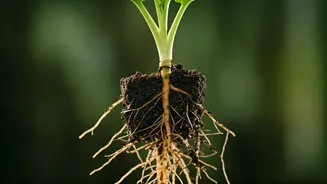
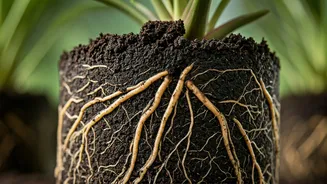
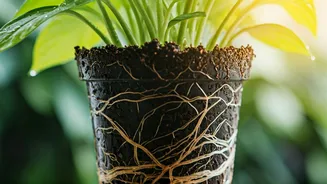
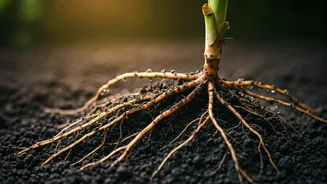
If you suspect root rot, you must act fast. Gently remove the plant from its pot and inspect the roots. Healthy roots are typically firm and white or light-colored. Rotted roots will be dark brown or black, soft, and mushy, and may fall apart when touched. Using a clean, sterilized pair of scissors, carefully prune away all the affected roots until only healthy tissue remains. If you've had to remove a significant portion of the root ball, it's a good idea to prune back about one-third of the plant's leaves as well; this reduces the stress on the remaining roots as they don't have to support as much foliage. Repot the plant in a clean pot with fresh, well-draining soil and water it lightly.