





Why Prices Are on the Rise
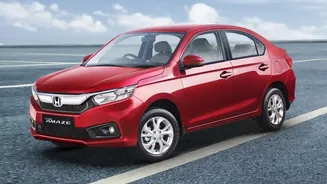
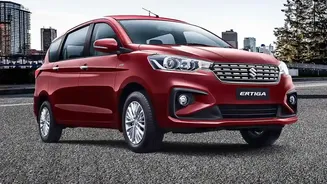
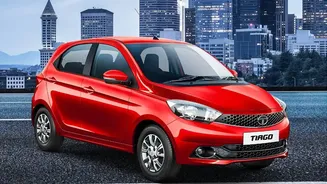
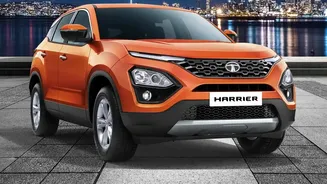
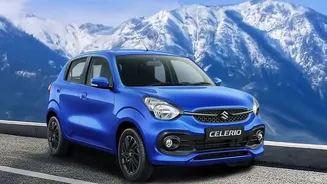
Several major car manufacturers in India, including Maruti Suzuki, Hyundai, and Tata Motors, have announced price increases effective from August and September 2026. Companies have pointed to a combination of persistent factors driving up costs. A key
reason is the rising price of raw materials and commodities needed for manufacturing. Automakers have been trying to absorb these expenses but are now passing a portion of the burden to customers to protect their profit margins. This trend isn't new for 2026; several brands have already implemented multiple smaller price hikes throughout the year, signalling a sustained pressure on costs across the industry.
The Key Factors Driving Costs
The primary drivers behind these price adjustments are multifaceted. Persistently high input costs for essential materials like steel, aluminum, and precious metals used in components are a major issue. In addition to materials, automakers cite higher operational expenses, global geopolitical and macroeconomic uncertainties, and foreign exchange volatility as contributing factors. For some companies, even the cost of EV batteries has seen a significant increase. This coordinated movement by top manufacturers suggests that the entire sector is finding it increasingly difficult to absorb the financial pressures without adjusting showroom prices.
Is a Festive Purchase Still a Good Idea?
Despite the rising sticker prices, the festive season isn't necessarily a bad time to buy. Automakers and dealers are still expected to roll out campaigns to attract buyers. This period traditionally sees the launch of new models and facelifts, giving buyers more options. For 2026, several new SUVs, including hybrid and electric options, are slated for launch around Diwali. Furthermore, manufacturers often provide festive offers like cash discounts, lower interest rates on loans, exchange bonuses, and free accessories to drive sales. The key difference this year is that these festive discounts will be applied to a higher base price. Therefore, the overall value proposition has shifted, and a 'good deal' will require more careful calculation.
Smart Strategies for Prospective Buyers
Navigating this market requires a more strategic approach. One of the most effective tactics is to book your vehicle early. This can sometimes help in locking in the pre-hike price, protecting you from the latest increase. With prices varying by model and variant, it is more important than ever to compare offers meticulously across different dealerships for the same car. Don't hesitate to look at recently updated or outgoing models, as dealers may offer larger discounts on them to clear inventory ahead of a new facelift. Also, be flexible with your choice of colour and variant; models that are readily available in the stockyard often come with better negotiation potential. Finally, think beyond the initial price and evaluate the total cost of ownership, which includes insurance, maintenance packages, and financing interest rates. Some festive schemes might offer better long-term value through bundled services or lower finance costs.
Considering the Pre-Owned Market
With new cars becoming more expensive, the pre-owned market becomes a more attractive alternative. The launch of new models during the festive season often leads to an influx of well-maintained, one- or two-year-old cars as existing owners upgrade. This creates a supply of nearly new vehicles that have already undergone their initial, steep depreciation, offering significant value. For buyers on a tighter budget or for those who find the new prices prohibitive, exploring the certified pre-owned sections of major brands can be a prudent move. These vehicles often come with a warranty and have been inspected by the manufacturer, providing a level of assurance that is close to buying new.