


Kondana Caves, Maharashtra
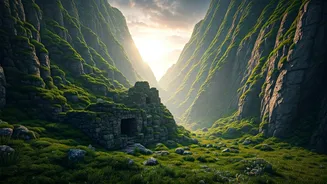
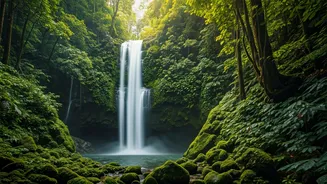
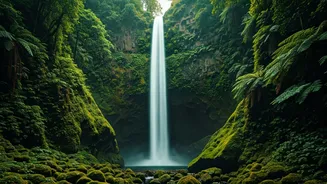
Tucked away near Karjat, the Kondana Caves are a quiet cluster of 16 Buddhist rock-cut structures dating back to the first century BCE. For most of the year, they are a serene historical site. But when the monsoon arrives, the entire mountainside awakens.
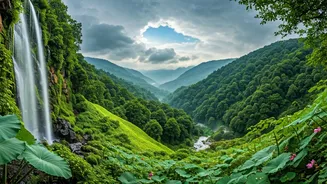
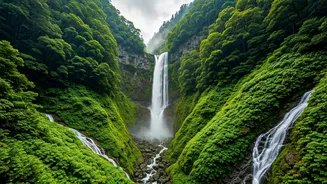
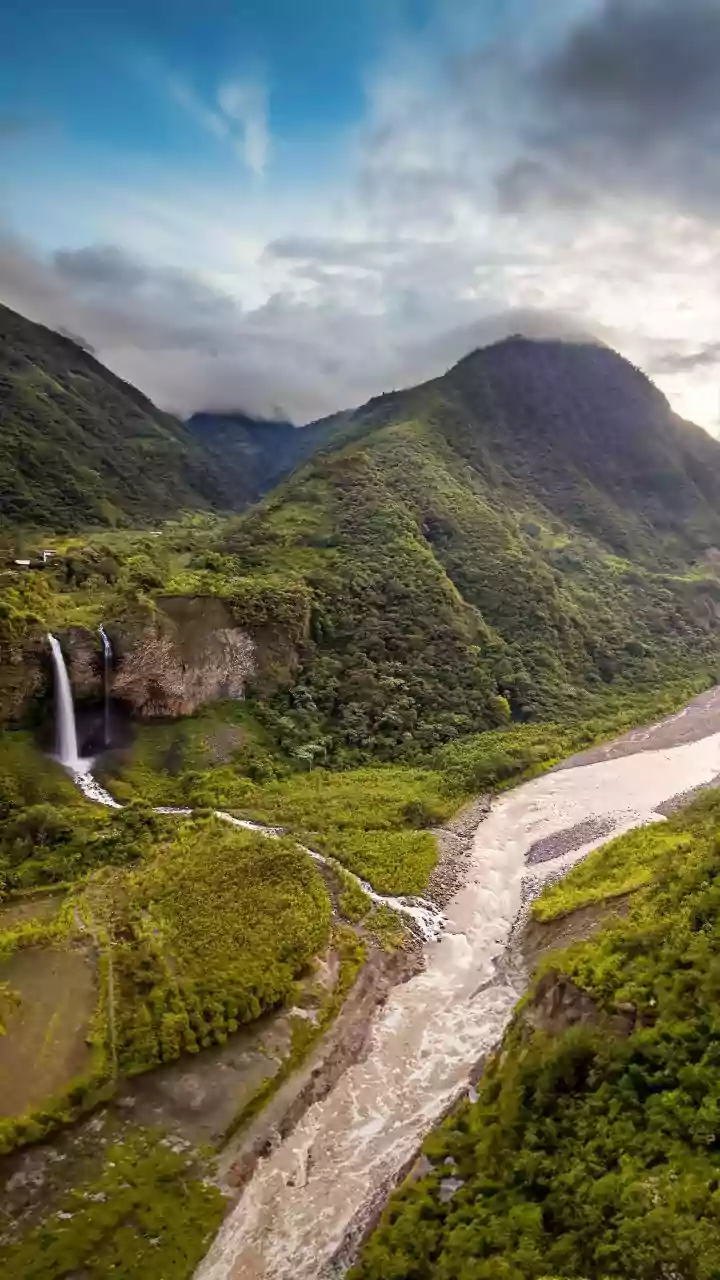
The dry, rocky facade becomes the backdrop for a spectacular waterfall that cascades directly over the cave entrances. The trek to the caves, though muddy and slippery, becomes an adventure in itself, surrounded by dense, dripping forests and the constant roar of water. The caves, which were once home to meditating monks, feel profoundly alive, as if the very rock is celebrating the rain. It’s a multi-sensory experience where history and nature merge in a powerful, unforgettable display.
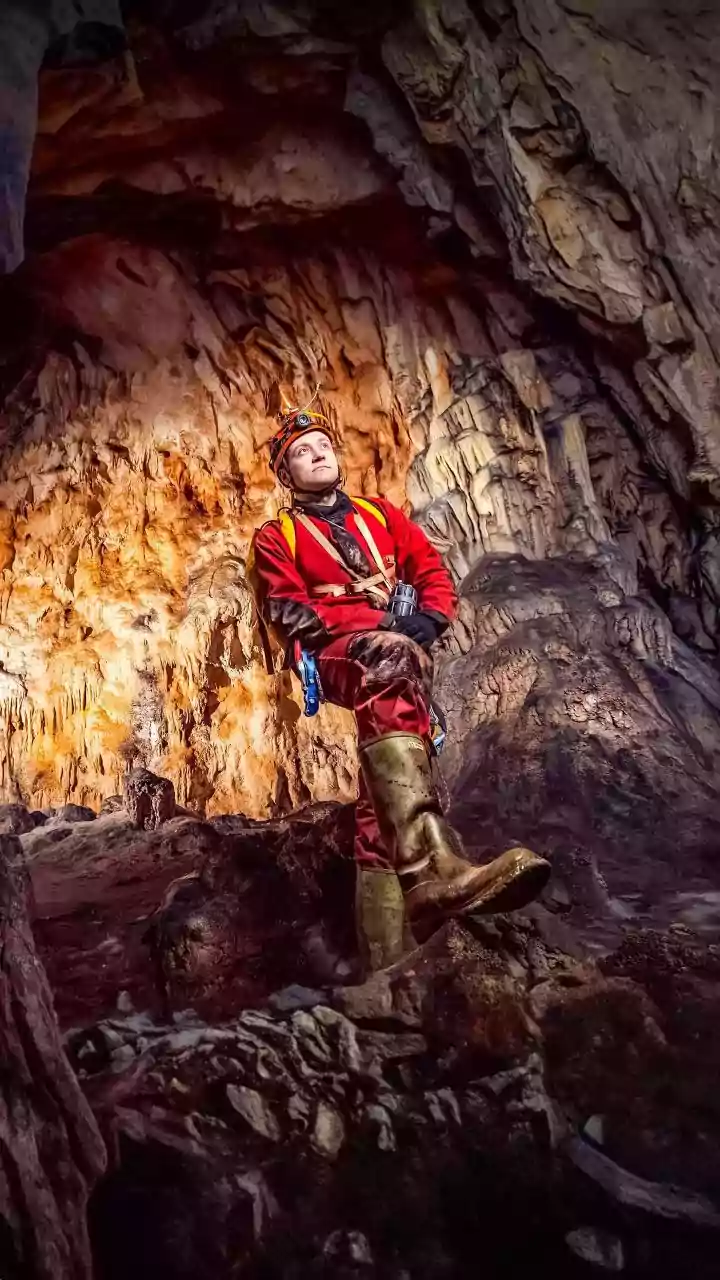
Mawsmai Cave, Meghalaya
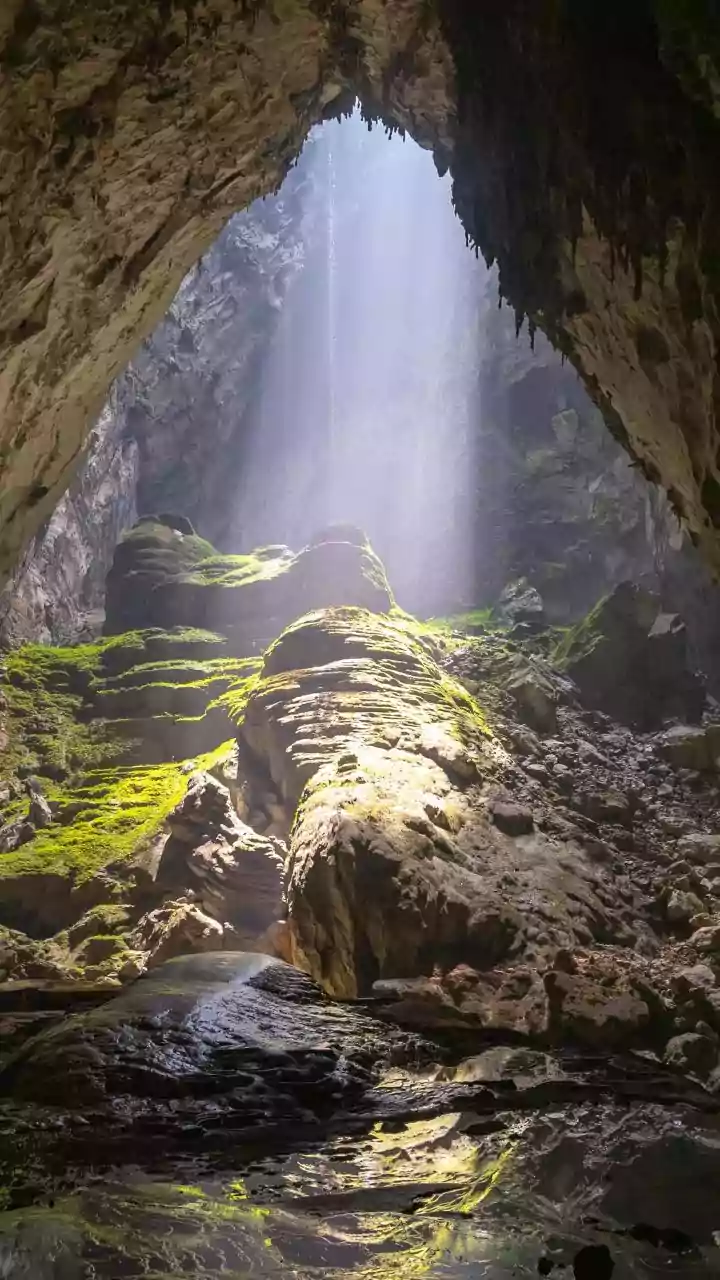
In Meghalaya, the ‘abode of clouds’, rain is not just a season but a way of life. The Mawsmai Cave near Cherrapunji, one of the wettest places on earth, offers a different kind of monsoon spectacle. This is not about external waterfalls but an internal transformation. As rainwater seeps through the porous limestone, the cave's interior comes alive with new streams and dripping stalactites that glisten under the artificial lights. The passages, already narrow, become more mysterious as water gurgles and echoes around you. What is a relatively dry walk for most of the year becomes a thrilling subterranean adventure, requiring you to wade through shallow pools and navigate slippery paths. It’s a powerful reminder of how water shapes the world, both above and below ground.
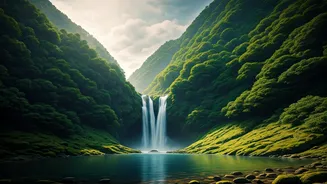
Ajanta Caves, Maharashtra
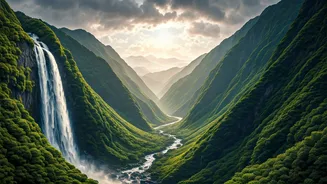
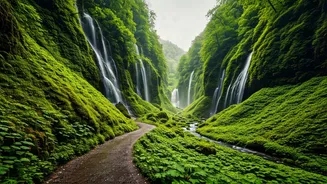
The world-famous Ajanta Caves are a spectacle in any season, but the monsoon adds an entirely new layer of grandeur. The caves themselves are protected from the elements, but the landscape that cradles them undergoes a breathtaking change. The dry, ochre-coloured, horseshoe-shaped gorge of the Waghora river turns into a vibrant canvas of emerald green. Temporary waterfalls, some small and delicate, others powerful and thunderous, appear all along the cliff face, framing the ancient murals and sculptures with curtains of white water. The roar of the invigorated river below fills the air, replacing the usual quiet reverence with a dynamic, elemental energy. Visiting during this time offers a dual masterpiece: the timeless art within the caves and nature’s fleeting, dramatic art just outside.
Bhimbetka Rock Shelters, Madhya Pradesh
The Bhimbetka Rock Shelters, a UNESCO World Heritage Site, hold some of the oldest evidence of human life in India. While the ancient rock paintings are the main draw, the monsoon transforms the entire experience of visiting this prehistoric gallery. The surrounding Ratapani Wildlife Sanctuary explodes into life. The deciduous forest becomes a dense, lush jungle, and the air grows heavy with the scent of wet earth and blooming flora. The rocks themselves, weathered by millennia, seem to darken and gain character under the rain-streaked sky. Small rivulets of water may trace paths down the sandstone surfaces, creating a shimmering effect. The spectacle here is less about dramatic waterfalls and more about atmosphere—a deep sense of connection to a primal, rain-soaked world that the creators of the ancient art would have recognised instantly.