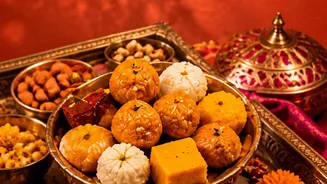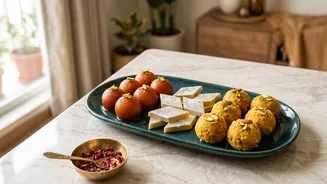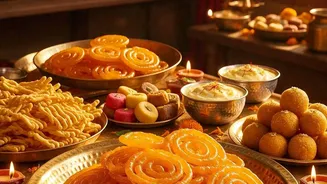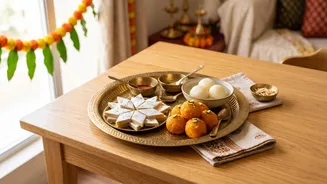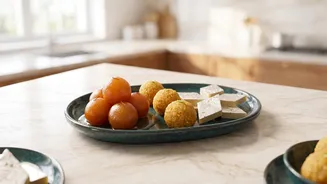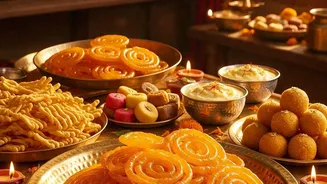

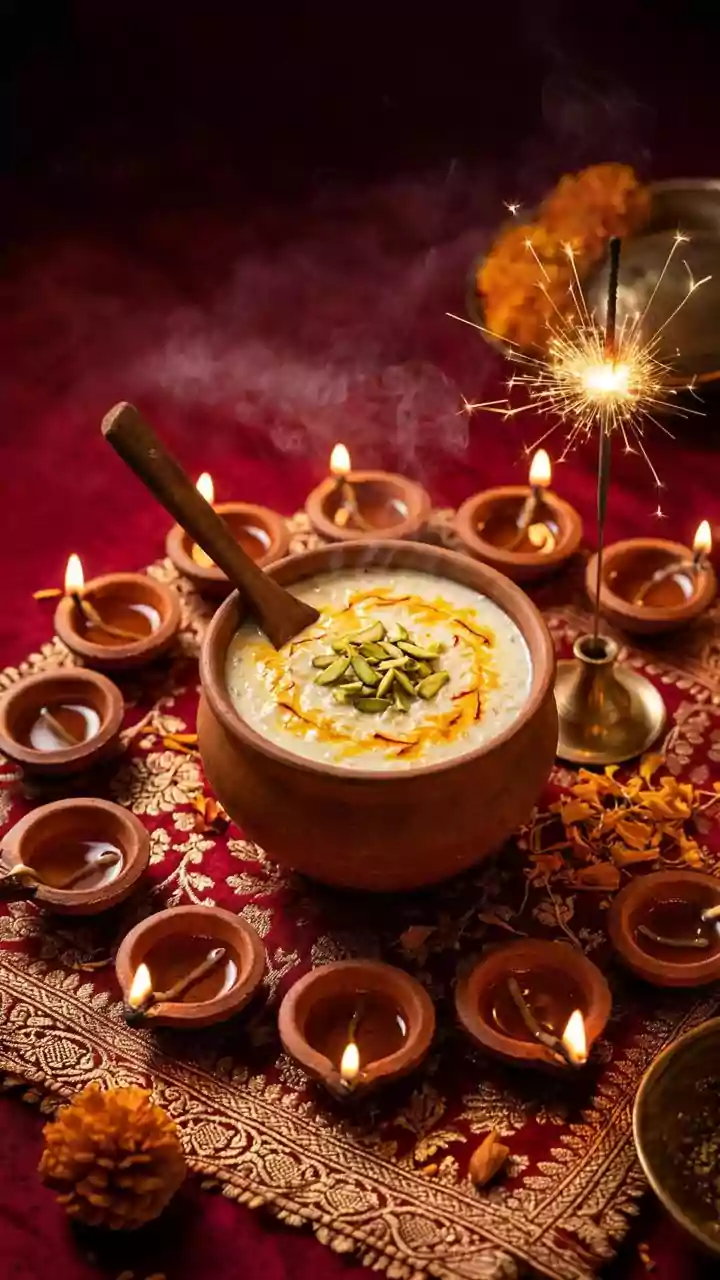
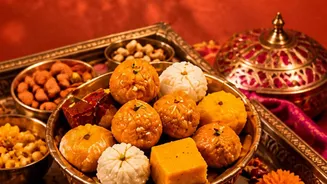
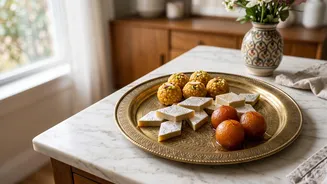
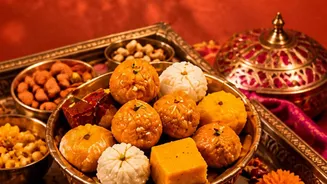
The festival of lights is incomplete without the joy of sharing mithai. But with high demand comes the risk of adulteration. Here’s how to ensure the sweets you buy are fresh, pure, and safe for your family and friends this Diwali season.
Trust Your Senses: The First Check
Before you even
make a purchase, engage your senses of sight, smell, and touch. Fresh sweets should have a natural, appealing look. Be wary of unnaturally bright or neon colours, as these may indicate the use of non-permitted or excessive artificial colouring agents. A fresh sweet should have a pleasant, milky, or ghee-rich aroma. If it smells sour, musty, or has a chemical or soapy aftertaste, it’s a clear red flag that the ingredients are either old or adulterated. The texture also tells a story. Good quality mithai should be soft and uniform. If it feels excessively hard, dry, gritty, or sticky, it might contain fillers or have been sitting on the shelf for too long.
The Khoya Purity Test
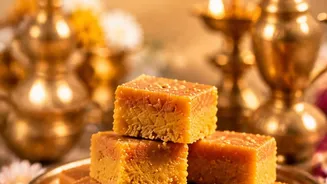
Khoya, or mawa, is the foundation of many beloved Diwali sweets like barfi and peda, but it's also one of the most commonly adulterated ingredients. Unscrupulous sellers often mix it with starch, flour, semolina, or even blotting paper to increase its weight and cut costs. A simple way to check is to rub a small amount of khoya on your palm. Pure khoya feels slightly grainy and will leave a greasy residue from the natural fats. Adulterated khoya often feels pasty and dry. For a more definitive test at home, dissolve a small piece of the sweet or khoya in hot water and let it cool. Then, add a few drops of iodine solution. If the mixture turns blue, it confirms the presence of starch.
Is That Silver Vark Real?
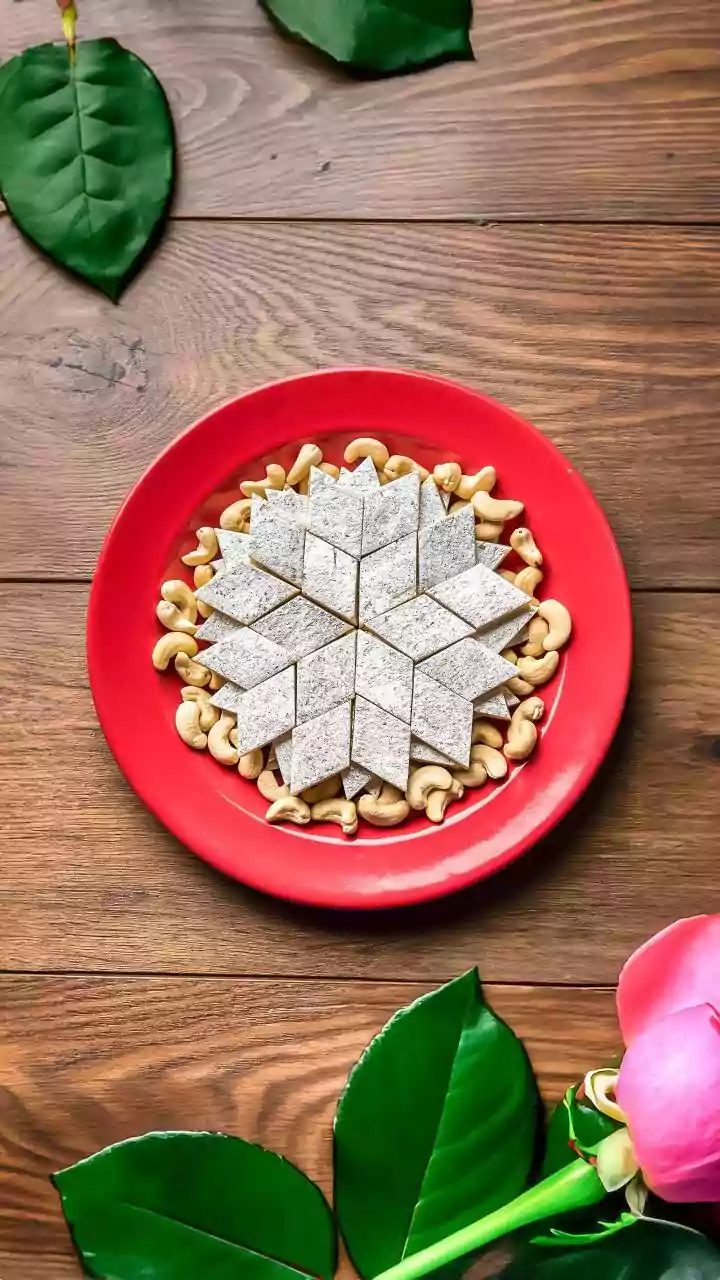
The delicate, shimmering silver leaf known as 'vark' adds a touch of luxury to sweets like Kaju Katli, but it's often replaced with cheaper and harmful aluminium foil. Real, food-grade silver vark is extremely thin and should integrate with the sweet. A simple test is to gently rub the silver layer with your finger. Pure silver will dissolve or break apart and almost disappear into your skin. Fake aluminium foil, on the other hand, will not dissolve; instead, it will feel slightly thick and may roll up into a tiny, solid ball. Genuine silver work also has a soft, natural sheen, whereas aluminium often appears excessively shiny or dull.
Smart Buying and Packaging Checks
Your purchasing habits can be your best defence. Always buy from reputable, trusted vendors. A key indicator of a responsible seller is the FSSAI license number, which should be displayed in the shop and on packaged goods. Since October 2020, FSSAI regulations have made it mandatory for sweet shops to display a 'Best Before Date' on the trays of even loose, unpacked sweets. If you don't see a date, don't hesitate to ask. This is crucial for milk-based sweets, which have a much shorter shelf life. Also, be suspicious of prices that seem too good to be true. Pure ghee, milk, and khoya are expensive, and unusually low prices during the festive rush often point towards adulteration with cheaper fats like vanaspati or palm oil.
Understanding Shelf Life and Storage
Not all sweets are created equal when it comes to staying fresh. Mithai made with khoya, paneer, or milk, such as Kalakand or Ras Malai, are high in moisture and have a very short shelf life, often just 1-2 days, even when refrigerated. Sweets made primarily from ghee, sugar, and flour, like Besan Laddoo or Mohanthal, last longer. Dry fruit-based sweets and chikkis have the longest shelf life. Once you bring sweets home, store them correctly. Keep milk-based sweets in the refrigerator immediately. For others, store them in an airtight container to protect them from air and humidity, which can make them go stale or soggy. Following these storage rules ensures that the sweets you enjoy on the second or third day of Diwali are as good as they were on the first.