

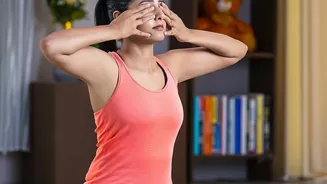
Why Yoga for Exam Stress?
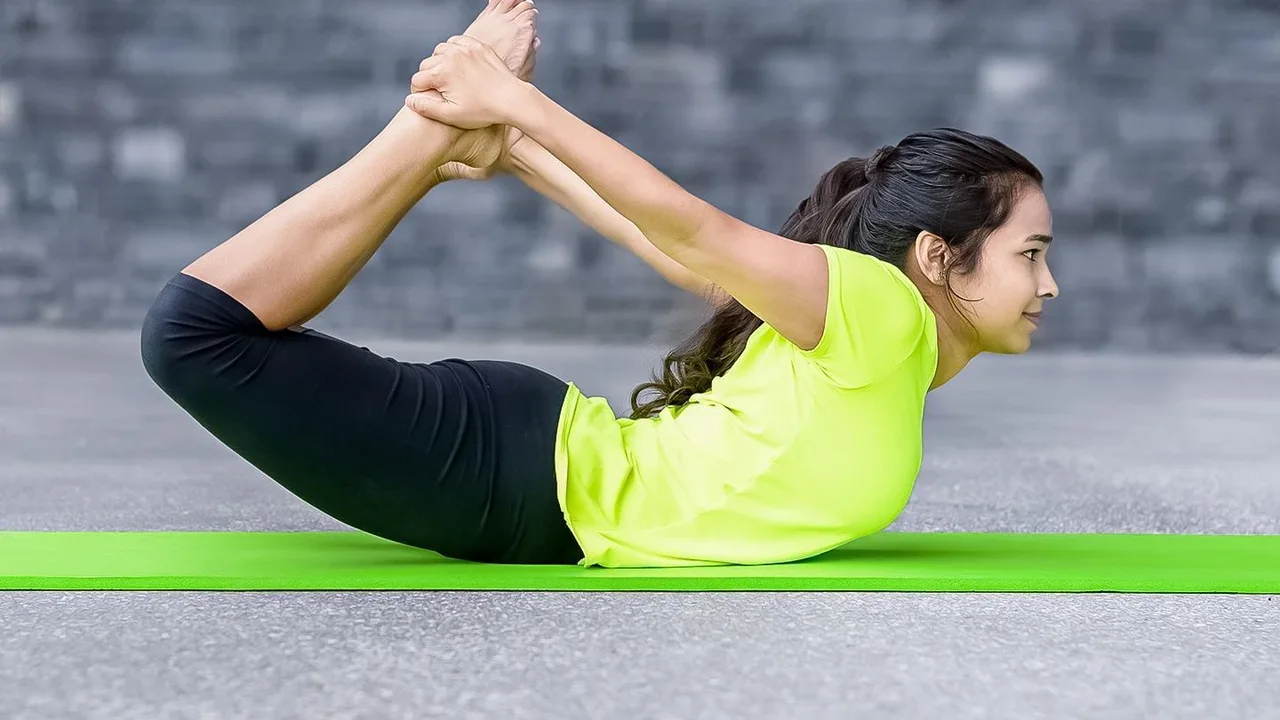
Between long study hours, parental expectations, and peer pressure, it's no surprise that students experience immense stress during exams. This can lead to anxiety, mental fatigue, and a lack of concentration. Yoga practice combines physical postures
with controlled breathing, which is a powerful combination for managing stress. It helps calm the nervous system, reduces levels of the stress hormone cortisol, and increases blood flow to the brain, which can enhance memory and cognitive function. Studies have shown that even a few minutes of yoga can reduce anxiety and improve focus, making it a perfect study break tool for students.
Child's Pose (Balasana)
This gentle resting pose is one of the most effective for immediate stress relief. Balasana calms the brain and helps relieve tension in the back, neck, and shoulders—areas that often get tight from sitting and studying for long hours. It encourages deep, mindful breathing, which activates the body's relaxation response. To do this pose, have your teen kneel on the floor with their big toes touching. They should then sit back on their heels and fold forward, resting their torso between or on top of their thighs and bringing their forehead to the floor. Arms can be stretched forward or rested alongside the body. Hold for 30 seconds to a minute.
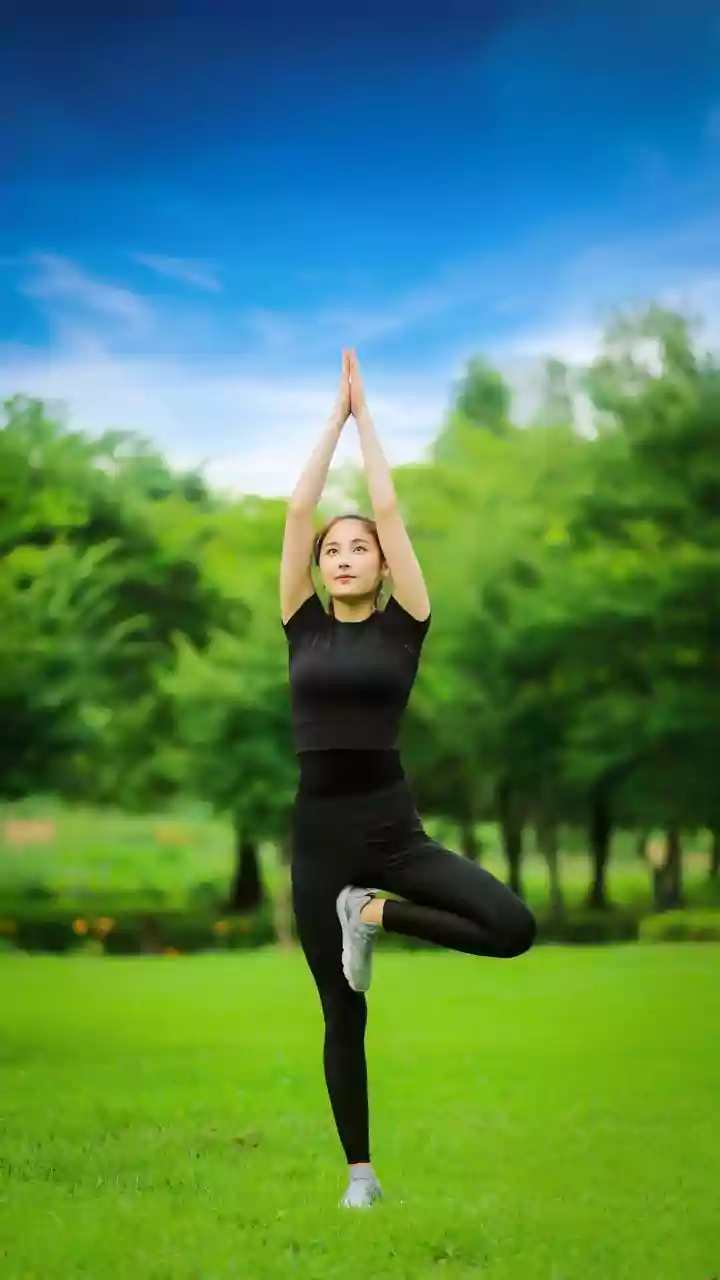
Tree Pose (Vrikshasana)
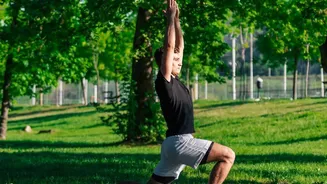
When the mind feels scattered, a balancing pose can work wonders for concentration. Vrikshasana, or Tree Pose, challenges both physical balance and mental focus. Holding the pose requires the mind to stay in the present moment, which helps to quiet anxious thoughts and improve focus. To practice, stand tall and shift your weight onto one foot. Place the sole of the other foot on the inner thigh or calf of the standing leg, avoiding the knee. Bring the palms together in a prayer position at the chest. Fixing the gaze on a single, unmoving point ahead helps maintain balance. Hold for up to a minute before switching sides.
Seated Forward Bend (Paschimottanasana)
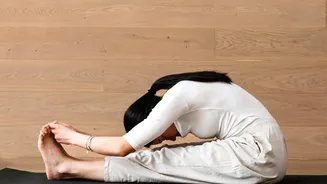
This pose provides an intense stretch for the entire back of the body, from the spine to the hamstrings. Paschimottanasana has a deeply calming effect on the nervous system and is known to help relieve mental fatigue and anxiety. The inward fold encourages introspection and quiets the mind, making it easier to focus. To perform it, sit on the floor with legs extended straight out. Inhale to lengthen the spine, and as you exhale, slowly bend forward from the hips, reaching toward the feet. It is important not to force the stretch; just go as far as is comfortable while keeping the spine long. Bending the knees slightly can make the pose more accessible.
Alternate Nostril Breathing (Anulom Vilom)
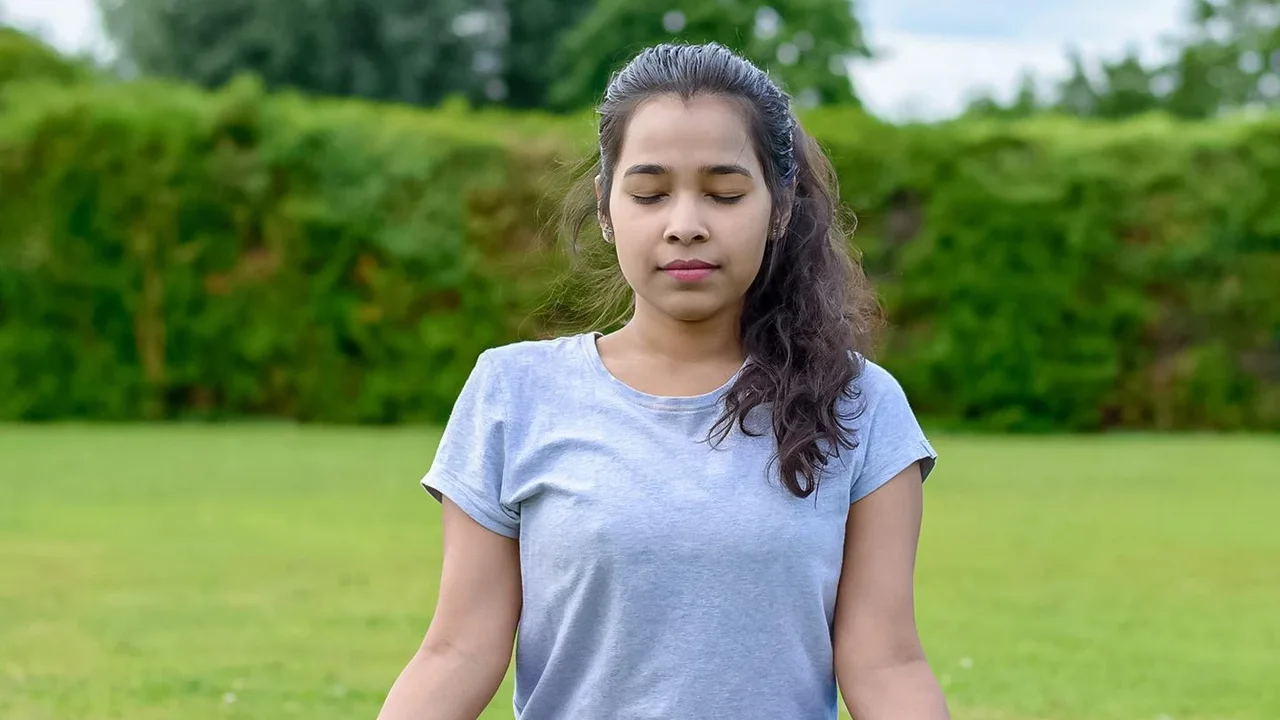
While not a physical stretch, this breathing exercise, or pranayama, is incredibly powerful for balancing the mind and enhancing clarity. Anulom Vilom is known to calm the nervous system, reduce stress, and improve respiratory and cognitive function. It helps bring harmony between the left and right hemispheres of the brain, which can lead to improved focus. To practice, sit comfortably with a straight spine. Use the right thumb to close the right nostril and inhale slowly through the left. Then, close the left nostril with the ring finger, release the thumb, and exhale through the right. Inhale through the right, close it, and exhale through the left. This completes one round. Continue for three to five minutes.