





Why Monsoon Power Fluctuations Are Dangerous
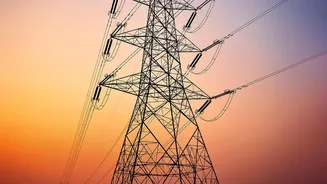
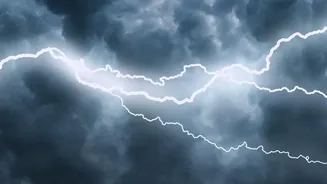
During a monsoon, the electrical grid is vulnerable. Lightning strikes, falling trees, and water-logging can cause sudden power cuts. When the power returns, it can create a surge—a rapid spike in voltage that is far higher than the standard your devices
are built for. This jolt of electricity can instantly fry the sensitive circuit boards inside your television, computer, refrigerator, and air conditioner. Even smaller, repeated surges can degrade components over time, shortening the lifespan of your valuable appliances without any obvious single cause.
Before the Outage: A Defensive Strategy
The best way to prevent damage is to act before the power goes out, or as soon as you notice flickering lights or an approaching storm. If a major storm is forecasted, the simplest and most effective step is to unplug valuable electronics. This includes your television, desktop computer, gaming consoles, and microwave. For appliances that cannot be easily unplugged, like a refrigerator or a built-in AC, the next best thing is to turn them off at the main switch or circuit breaker if you anticipate a prolonged outage.
Invest in the Right Protection
You cannot always be home to unplug everything. This is where protective hardware comes in. A surge protector is an essential investment. It diverts excess voltage away from your devices during a surge. It's important to note that a simple power strip is not the same as a surge protector; look for a specific joule rating, with over 1,000 joules being a good starting point for valuable electronics. For critical devices like a work computer or router, consider an Uninterruptible Power Supply (UPS). A UPS contains a battery that provides a few minutes of power, giving you time to save your work and shut down safely during an outage, while also offering surge protection.
Back Up Your Digital Life
Hardware can be replaced, but personal data cannot. Power surges can corrupt hard drives and destroy stored information. Before the monsoon season intensifies, get into the habit of backing up important files. This includes family photos, financial documents, and any critical work data. Use an external hard drive or a cloud-based service. This ensures that even if your device is damaged beyond repair, your most precious digital assets are safe and recoverable.
After Power Is Restored: The Waiting Game
When the lights come back on, resist the urge to immediately plug everything in and switch it all on. The power supply can be unstable in the first few moments after restoration, often causing another smaller surge. Wait at least five to ten minutes for the voltage to stabilize before you start plugging in your appliances. This brief pause dramatically reduces the risk of damage from the restoration surge. Leave one light on so you know exactly when the power has returned.
Inspect for Signs of Damage
Before you plug a device back in, do a quick inspection. Look for any visible burn marks near the plug or power ports. A faint burning or acidic smell can also be a sign that a component has been fried by a surge. If you have surge protectors, check if they need to be reset or if an indicator light shows they have been compromised. Some surge protectors are designed to sacrifice themselves to save your electronics, so they may need replacing after a major electrical event.
Plug In Gradually
Once you've waited for the power to stabilize, begin plugging in your devices one by one. Start with the most essential appliances, like the refrigerator. Turning everything on at once can overload the circuit and put a strain on the local grid, potentially causing another flicker or outage. Give each major appliance a minute or two after plugging it in before turning on the next one. This methodical approach is the final step in ensuring a safe and smooth recovery from a monsoon power outage.