



Understanding the Post-Meal Spike
That sleepy, sluggish feeling after a meal is often linked to a rapid rise and subsequent fall in your blood glucose, or blood sugar. This is known as a post-prandial glucose spike. When you consume carbohydrates, particularly refined ones like white
rice or bread, your body quickly breaks them down into glucose. This causes a surge in blood sugar, followed by a rush of insulin to manage it, which can then lead to a 'crash'. Over time, frequent and large spikes can contribute to more serious health issues, including an increased risk for type 2 diabetes. But research shows a powerful strategy to manage this: meal sequencing. It's not a restrictive diet, but a mindful approach to the order in which you eat your food.
The Golden Rule: Veggies and Fibre First
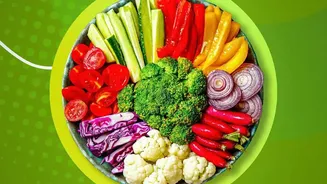
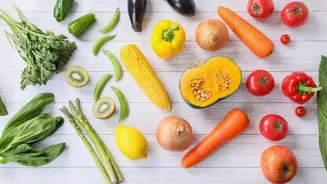
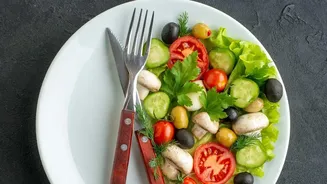
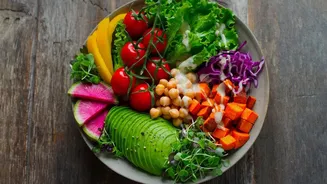
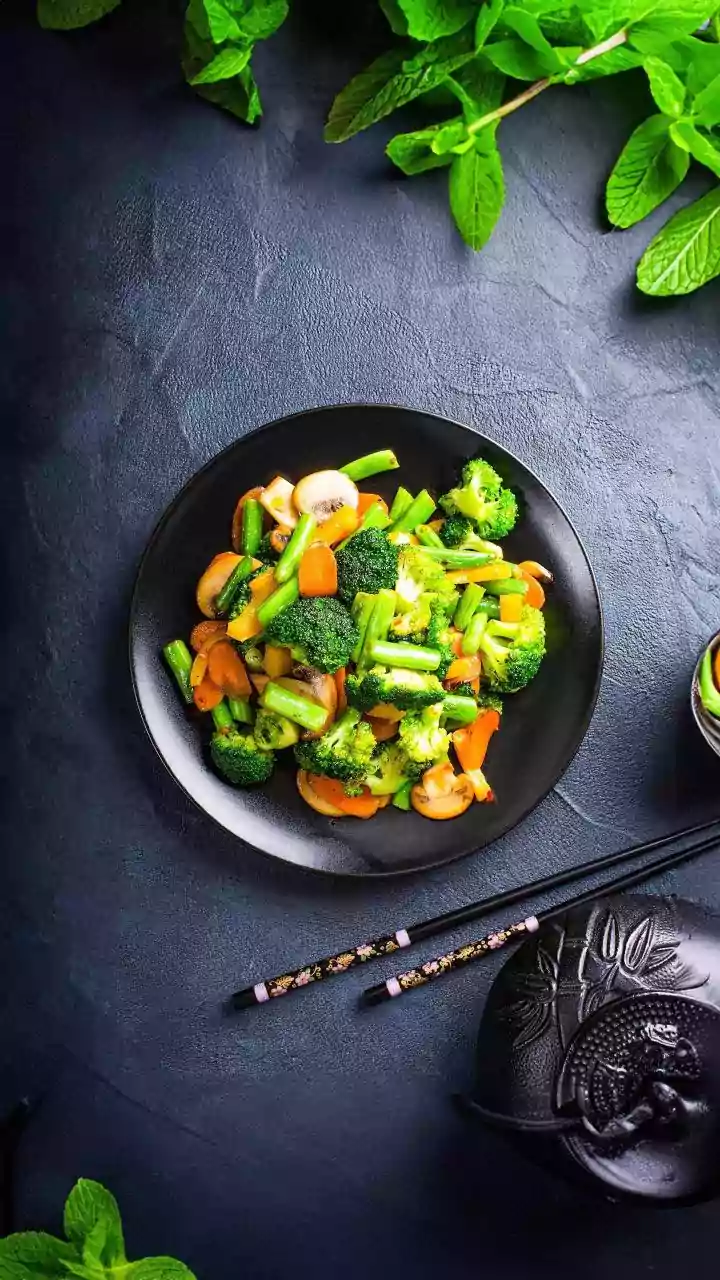
The most effective way to start your meal is with fibre-rich vegetables. Think a simple salad, a serving of sautéed greens, or the vegetable sabzi on your thali. Fibre is your body's secret weapon against glucose spikes. Because fibre is largely indigestible, it forms a viscous gel in your stomach. This gel physically slows down the digestion and absorption of any food you eat afterwards. By eating your vegetables first, you are essentially creating a natural buffer that prepares your digestive system for the carbohydrates to come, leading to a much gentler rise in blood sugar.
Next Up: Protein and Healthy Fats
After you've had your vegetables, the next step is to focus on your protein and fat sources. This could be your dal, paneer, chicken, fish, or a handful of nuts. Like fibre, protein and fat also take longer to digest compared to carbohydrates. Consuming them before carbs further slows down gastric emptying—the process of food moving from your stomach to your small intestine. This delay gives your body more time to process the sugars, preventing them from flooding your bloodstream all at once. Studies have shown that this one-two punch of fibre first, then protein, significantly lowers post-meal glucose and insulin levels. This sequence also stimulates the release of hormones like GLP-1, which enhances feelings of fullness, helping to prevent overeating.
Finally: The Carbohydrates
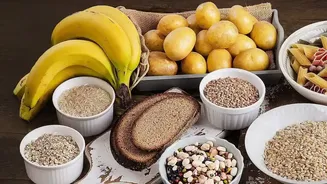
The last component to eat is your carbohydrate. This includes rice, roti, bread, pasta, or starchy vegetables like potatoes. By the time you get to them, your stomach is already lined with a slow-digesting mix of fibre, protein, and fat. This 'pre-loading' ensures the carbohydrates are broken down and absorbed much more slowly and steadily. The result is a significantly blunted blood sugar response. In some studies, this simple change in food order has been shown to lower post-meal glucose spikes by amounts comparable to diabetes medications. You still get to enjoy your favourite carbs, but without the dramatic energy crash afterwards.
Putting It Into Practice
This might sound complicated, but it's simple to apply to everyday Indian meals. Imagine you have a thali with a katori of salad, a sabzi (vegetable dish), dal (lentils), and rice. Instead of mixing everything together, start by eating the salad first. Then, eat the sabzi and the dal. Finally, finish your meal with the rice. If you're having a meal like chicken curry with roti, eat a side of sliced cucumbers and carrots first, then focus on the chicken, and eat the roti towards the end of the meal. Even when eating out, you can start with a soup or salad appetizer before your main course arrives. This simple behavioural strategy gives you a powerful way to manage your energy and long-term metabolic health.