





Understanding the Kharif Season
In India, the agricultural calendar is broadly divided into three seasons: Kharif, Rabi, and Zaid. The Kharif season, which begins with the onset of the southwest monsoon in June and lasts until October, is the country's primary rainy season. It's defined
by warm temperatures, high humidity, and abundant rainfall—conditions that many tropical plants adore. For home gardeners, this means a chance to grow a variety of vegetables that thrive in these exact conditions, from leafy greens to sprawling gourds. Unlike the cooler, drier Rabi season, Kharif gardening is all about working with the rain, not against it.
Why Timing Is Everything
While the monsoon provides free and plentiful water, its timing and intensity can make or break a garden. Sowing seeds too early, before the rains are consistent, can lead to poor germination. Sowing too late, especially in late July or August, might mean your plants don't have enough time to mature before the season changes. The main challenge during this period is managing excess water. Waterlogging is the most common reason seedlings and potted plants fail during the monsoon, as it leads to root rot. Therefore, starting your seeds within the ideal window gives them the best chance to establish a strong root system capable of withstanding both heavy downpours and the humid conditions that can encourage fungal diseases.
The Ideal Sowing Window: June and July
For most of India, the sweet spot for sowing Kharif vegetable seeds is from June to July. This allows plants to germinate and establish themselves as the monsoon sets in. While some planting can extend into early August, June and July are considered the peak months. If you're transplanting seedlings like brinjal, chilli, or tomato, July is an excellent time to move them into their final pots. A key tip for container gardeners is to ensure every pot has excellent drainage. Using a light, airy potting mix—typically a combination of soil, compost, and cocopeat or sand—can prevent the soil from becoming a soggy mess.
Best Vegetables for Your Monsoon Garden
The Kharif season is perfect for a host of classic Indian vegetables. These plants are well-adapted to the heat and humidity. Some of the most reliable choices for a home garden include: - Okra (Bhindi): A true monsoon champion, okra grows quickly and produces prolifically in the heat and humidity. - Gourds (Lauki, Turai, Karela): Bottle gourd, ridge gourd, and bitter gourd vines grow vigorously during this time. They will need a strong trellis for support. - Beans (Lobia, Guar): Cowpeas and cluster beans are easy to grow and very productive in warm, rainy weather. - Brinjal (Baingan): This vegetable thrives in monsoon weather and grows well in large pots or grow bags. - Green Chillies: Chilli plants are well-suited for the season and can provide a continuous harvest for your kitchen. - Cucumber (Kheera): A fast-growing crop that loves the monsoon conditions, perfect for salads and snacking.
Herbs and Leafy Greens to Plant
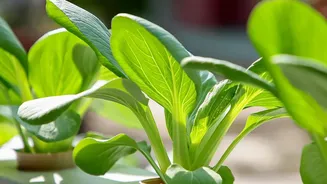
While many delicate leafy greens struggle with heavy rain, some are perfectly suited for the season. Amaranth (Chaulai or Chauli) is a fast-growing, heat-tolerant leafy green that can be ready for its first harvest in as little as 30 days. Spinach is another option that does well with regular moisture. For herbs, monsoon is the traditional planting season for turmeric and ginger. These can be planted in deep bags or pots in June or July for a harvest that will come many months later. You can also successfully grow coriander, though it will require a spot with good air circulation to prevent fungal issues.
Common Mistakes to Avoid
The most frequent error new gardeners make during the monsoon is overwatering. Remember to check the soil before watering, as the rain might be doing the job for you. Another mistake is overcrowding plants. Good air circulation is vital to prevent fungal diseases like powdery mildew, which thrive in high humidity. Finally, using heavy, clay-like soil is a recipe for disaster in containers. A light, well-draining potting mix is non-negotiable. Many failed attempts at monsoon gardening come down to poor drainage and starting too late in the season. Getting the timing and the soil right from the start is half the battle won.