



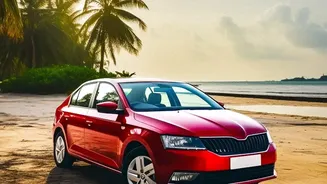
Why Your New Car Costs More This Year
Heading into the 2026 festive period, nearly every major car manufacturer in India has increased prices. Maruti Suzuki, Hyundai, Tata Motors, and Mahindra & Mahindra have all announced revisions, some for the third time this year. The hikes range from
a percentage point to upwards of ₹30,000 on certain models. Automakers universally point to a perfect storm of economic pressures. The cost of essential raw materials like steel, aluminum, and rubber remains high. Persistent inflation, higher operational expenses, and ongoing geopolitical uncertainties are also cited as key reasons for passing on a portion of these increased costs to customers. This trend isn't limited to mass-market cars; even premium and luxury brands like BMW have adjusted their prices, blaming currency fluctuations and logistics costs.
The Double Impact: Sticker Price and Loan EMIs
The challenge for buyers is twofold. First, the ex-showroom price of the vehicle itself is higher. Second, the cost of financing that vehicle has also risen. Car loan interest rates from most major banks are hovering in the 8.7% to 9.7% range for borrowers, with some lenders going higher depending on your credit profile. While these rates aren't drastically higher than previous months, they compound the effect of the initial price increase. A higher principal amount financed at these rates means a larger Equated Monthly Instalment (EMI) throughout your loan tenure. For a ₹10 lakh loan, this can translate to thousands more paid in interest over the life of the loan. This dual pressure on both the vehicle's price and its financing makes budgeting and securing a favorable loan more important than ever.
Are Festive Discounts Still a Reality?
Despite the price hikes, the tradition of festive discounts is not entirely gone, but its nature has changed. Manufacturers and dealers still want to move inventory, and you will find offers this season. However, these deals may be less generous than in previous years or more strategically targeted. For instance, substantial benefits are often available on specific inventory, such as pre-facelift models, less popular variants, or vehicles manufactured earlier in the year. Tata Motors is offering significant benefits on some models, especially electric vehicles (EVs), including cash discounts, exchange bonuses, and loyalty rewards. Similarly, Honda and other brands have various offers, but they often require careful reading of the terms. The key takeaway is that blanket discounts across all popular models are less likely; a smart buyer will need to hunt for specific deals.
A Strategic Guide to Festive Car Buying
With higher costs as the new normal, a strategic approach is your best ally. Start by getting a pre-approved loan from multiple banks. This gives you a firm budget and strengthens your negotiating position at the dealership. When comparing cars, look beyond the sticker price and consider the Total Cost of Ownership (TCO), which includes insurance, maintenance, fuel efficiency, and potential resale value. Be flexible with your choice of variant and even colour, as dealers may offer better deals on slower-moving stock. Don't discount the value of exchange and scrappage bonuses, which can substantially lower your net cost. Most importantly, avoid rushing your decision. The pressure to buy during an 'auspicious' time is high, but a hurried purchase can lead to long-term financial regret. Take your time to test drive vehicles, compare all-inclusive on-road prices from different dealers, and read the fine print on every offer.