



The Golden Spice: Turmeric (Haldi)
A staple in every Indian kitchen, turmeric is a powerful immunity booster. It contains curcumin, a compound known for its potent anti-inflammatory and antioxidant properties. Nutritionists recommend it to help fight off infections that are common during
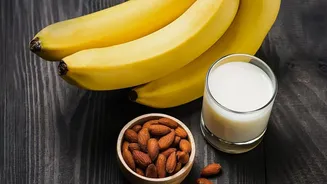
the monsoon. The active compound, curcumin, modulates the immune system and has antibacterial and antifungal effects. For best results, consume turmeric with a pinch of black pepper, which contains piperine, a substance that significantly enhances curcumin absorption. A warm glass of haldi doodh (turmeric milk) before bed is a classic, comforting way to incorporate this spice into your routine.
The Pungent Powerhouse: Ginger and Garlic
Ginger and garlic are a dynamic duo for monsoon health. Ginger is prized for its anti-inflammatory and antiviral properties, often used to soothe sore throats and settle stomach issues. Garlic contains allicin, a compound with powerful antibacterial and antiviral capabilities that helps stimulate the production of white blood cells. Health experts suggest adding these to your daily cooking, from dals and curries to soups. A freshly brewed cup of ginger tea is a perfect morning ritual, while crushing a raw garlic clove about ten minutes before use maximizes its allicin content for the greatest benefit.
The Seasonal Gem: Jamun (Black Plum)
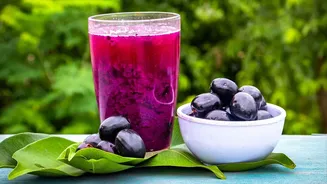
Jamun is a quintessential monsoon fruit hailed as a superfood for the season. It is packed with essential nutrients like vitamins A and C, iron, and potassium. More importantly, it is rich in anthocyanins, the antioxidants that give the fruit its deep purple colour and help protect the body from oxidative stress while supporting the immune system. Nutritionists value jamun for its role in digestive health, an area that often needs support during the monsoon. Its astringent properties can help manage common digestive issues.
Gut-Friendly Probiotics: Yoghurt and Buttermilk
Gut health is intrinsically linked to immunity, and the monsoon can be tough on our digestive system. Probiotic-rich foods like fresh yoghurt (curd) and buttermilk are highly recommended. They contain beneficial bacteria that help maintain a healthy balance in your gut microbiome, which is your first line of defense against pathogens. A healthy gut aids in nutrient absorption and helps fight off harmful bacteria. Having a bowl of fresh curd with your lunch or a glass of buttermilk can be an easy and effective way to support your gut flora during the rainy season.
The Humble Healer: Moong Dal
During the monsoon, the digestive system can become sluggish. Nutritionists often recommend light, easily digestible foods, and moong dal is a perfect choice. It is rich in protein, zinc, and antioxidants, nourishing the body without putting a strain on digestion. Dishes like khichdi, made from rice and moong dal, are considered ideal comfort food for the season as they are gentle on the stomach while providing essential nutrients. It provides the energy and strength your body needs to maintain its defenses.
Nutrient-Dense Nuts and Seeds
A small handful of nuts and seeds can provide a significant immunity boost. Almonds are a great source of Vitamin E, which is vital for a healthy immune system. Walnuts and flaxseeds are rich in omega-3 fatty acids that help manage inflammation. Pumpkin seeds are an excellent source of zinc, a mineral crucial for the development and function of immune cells. They serve as a healthy, filling snack, preventing you from reaching for less healthy fried options that are popular during the monsoon.