
The Gut Health Boom in the Urban Kitchen
Gut health is no longer a niche topic; it’s a mainstream wellness priority. For many urban Indians, the link between a healthy gut microbiome—the trillions of microbes living in our digestive tract—and overall well-being is clearer than ever. This diverse
internal ecosystem influences everything from digestion and immunity to mood. As awareness grows, so does the desire for accessible, natural ways to support it. Instead of just relying on supplements, many are looking to their plates, reviving traditional food practices to fit modern health goals.
Fermentation: More Than Just Pickles
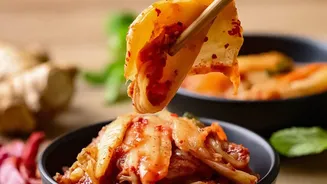
Fermentation is an ancient preservation method that has been part of Indian food culture for centuries, from the tangy curd and dosa batter of the south to the sharp kanji of the north. The process involves beneficial bacteria breaking down sugars in food, creating compounds like lactic acid. These compounds not only preserve the food but also enrich it with probiotics—live, beneficial bacteria. While we've always enjoyed fermented foods for their flavour, there's a growing movement to harness this process specifically for its gut-nourishing potential.
Why Go Oil-Free? A Healthier Approach
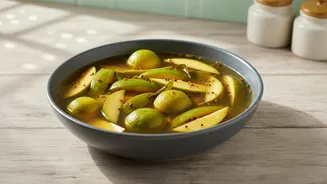
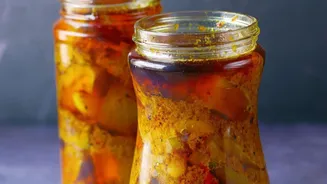
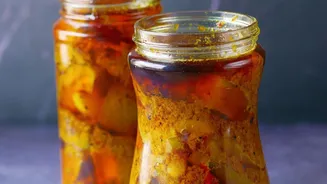
Traditional Indian pickles (achaar) are a beloved staple, but they often rely on large amounts of oil. This oil acts as a preservative, creating a barrier against spoilage. While delicious, this method can add significant calories and fat. Oil-free fermentation, specifically lacto-fermentation, offers a different path. This technique uses only salt and water to create the ideal conditions for beneficial bacteria to thrive. By eliminating oil, the focus shifts entirely to the probiotic and nutritional benefits of the fermented vegetables themselves, resulting in a lighter, health-focused condiment that aligns perfectly with a modern wellness mindset.
The Simple Science of Salt and Water
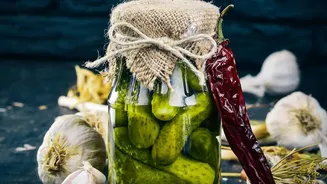
Lacto-fermentation sounds technical, but it’s beautifully simple. The “lacto” refers to Lactobacillus, a type of beneficial bacteria naturally present on the surface of vegetables. When vegetables are submerged in a salt-water brine within an oxygen-free environment (like a sealed jar), a bit of magic happens. The salt inhibits the growth of harmful bacteria, giving the salt-tolerant Lactobacillus bacteria a chance to multiply. These good bacteria then convert the natural sugars in the vegetables into lactic acid. This acid acts as a natural preservative, lowers the pH of the brine, and gives fermented foods their characteristic tangy flavour, all without a single drop of oil.
Getting Started: Easy Ferments for a Busy Life
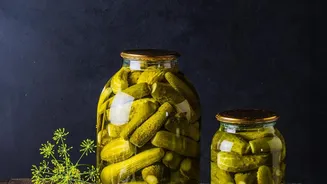
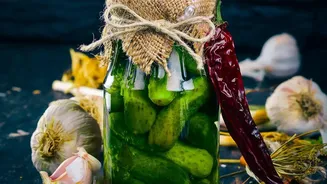
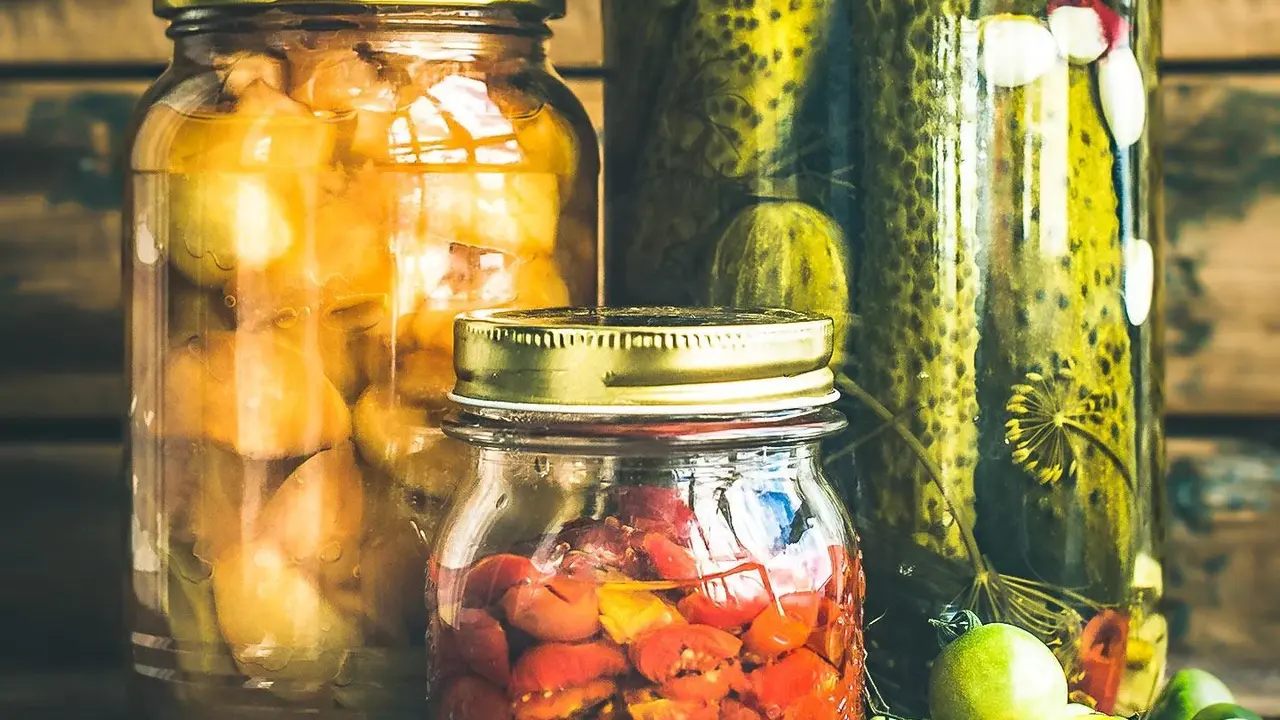
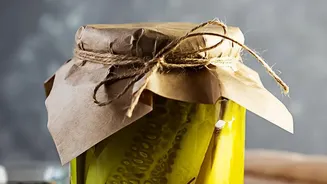
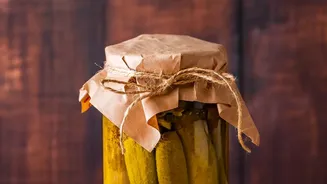
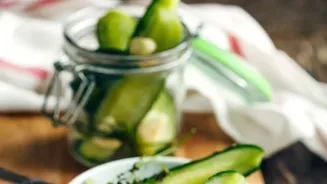
One of the biggest draws of oil-free fermenting for the urban home cook is its simplicity and low effort. You don’t need fancy equipment, just glass jars, salt, and filtered water. It’s a forgiving process that fits into a busy schedule. You can start with easily available vegetables like carrots, cauliflower, beets, or cabbage. Simply chop your vegetables, place them in a jar, cover them with a salt brine, and ensure they stay submerged. In a few days to a week, you'll have a jar of crisp, tangy, probiotic-rich vegetables ready to add a flavourful and functional boost to your daily meals, from dal-rice to salads and sandwiches.