








Defining the 'Safety Reservoir'
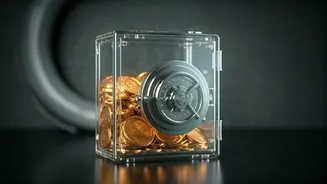
The term ‘safety reservoir’ might sound complex, but the idea is simple and powerful. Think of it not just as a single savings account, but as a multi-layered financial defence system. It’s a pool of resources designed to protect you from life's unexpected
floods—a sudden job loss, a medical emergency, or an urgent family need. Unlike simple savings, which might be earmarked for a goal like a vacation or a new phone, a safety reservoir is purely defensive. Its job is to provide stability and peace of mind, ensuring that a single setback doesn’t derail your entire financial life before it has even begun.
The First Layer: Your Emergency Fund
The foundation of any safety reservoir is the emergency fund. This is your most liquid and accessible layer of protection. The standard rule of thumb is to save at least three to six months' worth of essential living expenses. To calculate this, add up your non-negotiable monthly costs: rent or housing loan EMIs, utilities, groceries, transportation, and insurance premiums. If your essential monthly expenses are ₹30,000, your target emergency fund is between ₹90,000 and ₹1,80,000. This money should not be invested in volatile assets like stocks. Instead, keep it in a high-yield savings account or a liquid mutual fund, where it is safe from market risks but can be accessed within a day or two without penalty.
Automate Your Savings System
The most effective way to build your reservoir is to make it automatic. Relying on willpower alone to save what’s left at the end of the month is a recipe for failure. Instead, treat savings as your first and most important 'expense'. Set up an automatic transfer or a Systematic Investment Plan (SIP) that moves a fixed amount from your salary account to your designated emergency fund account the day you get paid. A popular guideline is the 50/30/20 rule: allocate 50% of your income to needs (essentials), 30% to wants (lifestyle), and a non-negotiable 20% to savings and investments. By paying yourself first, you build your financial defences effortlessly and consistently.
The Second Layer: Insurance
An emergency fund is for manageable crises, but what about catastrophes? This is where insurance comes in as the second critical layer of your reservoir. A single major hospitalisation can wipe out years of savings. That’s why having adequate health insurance is non-negotiable. Don’t rely solely on your employer’s group policy, as it may not be sufficient and will disappear if you change jobs. A personal health insurance policy is essential. Similarly, a term life insurance policy is vital if you have dependents who rely on your income. These policies act as a firewall, protecting your accumulated savings and investments from being consumed by a major life event.
Building Beyond the Basics
Once your emergency fund is fully funded and your insurance policies are in place, you can start building the outer layers of your reservoir. This can include creating separate sinking funds for predictable, large expenses that occur infrequently, such as annual car insurance premiums, home repairs, or replacing a major appliance. Having these funds prevents you from dipping into your core emergency fund for non-emergencies. This disciplined approach keeps your primary defence intact while allowing you to manage your financial life with less stress. This is the stage where your reservoir transitions from a purely defensive tool to a platform for future wealth creation.