







The End of ‘Go Hard or Go Home’
Remember the era of “no days off”? It was a badge of honour to post a sweaty gym selfie seven days a week, fuelled by the belief that more is always more. This hustle culture glorified pushing through pain and treating rest days as a sign of weakness.
For many fitness enthusiasts in India, juggling demanding careers and personal lives, the pressure to maintain this intense pace was immense. But this all-or-nothing approach came at a cost: burnout, chronic fatigue, hormonal imbalances, and a higher risk of injury. The constant stress on the body, without adequate time to repair, was leading many to hit a wall, feeling weaker and more exhausted despite their relentless efforts.
Why Rest Is When You Get Stronger
The shift towards embracing rest isn't just a feeling; it’s backed by solid science. Exercise, particularly strength training, creates microscopic tears in your muscle fibres. This is the necessary stimulus for growth. However, the actual repair and growth process, known as muscle protein synthesis, happens when you are resting, not when you're lifting. Without sufficient downtime, your muscles can't rebuild themselves to be stronger. This applies to your nervous system, too. Overtraining can fatigue the central nervous system, leading to decreased performance, mood swings, and poor sleep. In essence, your workout asks the question, and your recovery provides the answer.
The Booming Business of Recovery
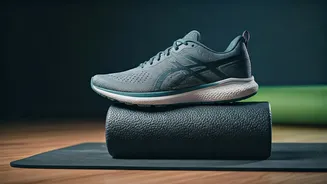
This cultural shift is visible not just in mindsets but on store shelves and in gym timetables. A whole industry has blossomed around the concept of recovery. High-tech massage guns that promise to pummel away soreness are now commonplace. Foam rollers, once the preserve of professional athletes, are in every gym-goer’s kit. We see a surge in apps for sleep tracking, meditation for mental recovery, and wearable tech that provides a "readiness score," telling you whether you should push hard or take it easy. Even gyms are adapting, offering more yoga, mobility classes, and stretching sessions alongside their high-intensity programmes. This commercialisation proves that rest is no longer a passive activity but an active, intentional pursuit.
Active Rest vs. A Day on the Sofa
Embracing rest doesn’t always mean spending a full day on the sofa (though sometimes, that’s exactly what you need!). The concept of "active recovery" is key to this new philosophy. On these days, you engage in low-intensity movement that promotes blood flow, helps reduce muscle soreness, and keeps you mobile without taxing your system. Think of a gentle walk, a leisurely swim, a restorative yoga session, or some light stretching. This helps deliver oxygen and nutrients to your tired muscles, speeding up the repair process. The goal is to facilitate recovery, not to add more stress. Learning to distinguish between the need for complete passive rest and beneficial active recovery is a crucial skill for a sustainable fitness journey.
The Ultimate Skill: Listening to Your Body
Perhaps the most significant change is the move from following a rigid schedule to developing bodily intuition. The new fitness ethos encourages you to listen to your body’s signals—soreness, fatigue, low energy, or a lack of motivation. These aren't signs of failure; they are data. They are your body’s way of telling you it needs a break. This intuitive approach is empowering. It reframes rest from a scheduled "cheat day" to a dynamic, responsive part of your training. It acknowledges that life happens—a poor night's sleep or a stressful day at work can impact your performance. Honouring that, instead of pushing through, is the hallmark of a truly mature approach to fitness.