



Why We’re Embracing the Rain
What’s behind this shift from sun-drenched beaches to misty, rain-soaked landscapes? The reasons are as varied as the weather. For many, it's a reaction to over-tourism. While popular sunny spots become increasingly crowded and expensive, destinations
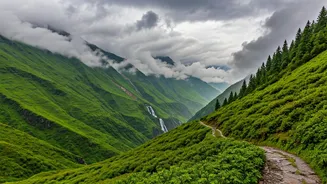
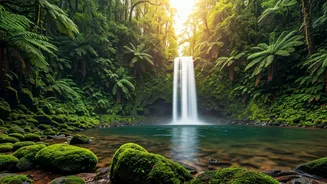
famous for their rainfall often remain serene and untouched. This 'monsoon tourism' offers a chance to see nature at its most dramatic and vibrant—when waterfalls are thunderous, forests are impossibly green, and the air is clean and crisp. It’s a sensory experience that a cloudless sky simply can’t offer. There’s also a psychological element; for the 'pluviophile' (a lover of rain), the sound and smell of a downpour bring a sense of calm and cosiness, a concept the Danes call 'hygge'. Instead of a day ruined by bad weather, the rain itself becomes the main attraction.
Mawsynram & Cherrapunji, India
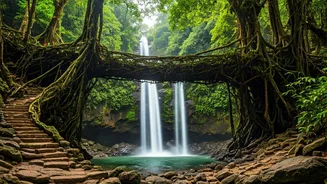
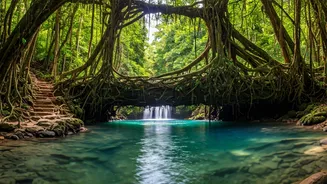
You can't talk about wettest places without starting in Meghalaya, India, home to the two rainiest spots on Earth. Mawsynram holds the official Guinness World Record for the highest average annual rainfall, with its neighbour Cherrapunji (also known as Sohra) not far behind. Visiting during the monsoon season (June to September) is not for the faint of heart, but the rewards are immense. This is a world of living root bridges, ancient structures trained from the roots of rubber trees to cross raging rivers. You’ll witness countless waterfalls cascading down emerald hillsides and experience the unique Khasi culture that has adapted to this perpetually damp environment. It's an adventure into a land that feels almost mythical, where the clouds literally roll into your hotel room.
Bergen, Norway
If trekking through a remote Indian jungle isn’t your style, consider Bergen. This charming Norwegian city is famously one of Europe’s rainiest, averaging over 200 rainy days a year. But far from being a gloomy place, Bergen embraces its wet reputation with a vibrant, resilient spirit. The rain washes the colourful wooden houses of the Bryggen wharf, a UNESCO World Heritage site, making them gleam. Locals have a saying: 'There's no such thing as bad weather, only bad clothing.' So, don a proper raincoat and explore the city’s cosy cafes, excellent museums, and bustling fish market. The Fløibanen funicular will take you up a mountain for breathtaking (and likely misty) views of the city and its surrounding fjords. Here, the rain is simply part of the city's character.
Quibdó, Colombia
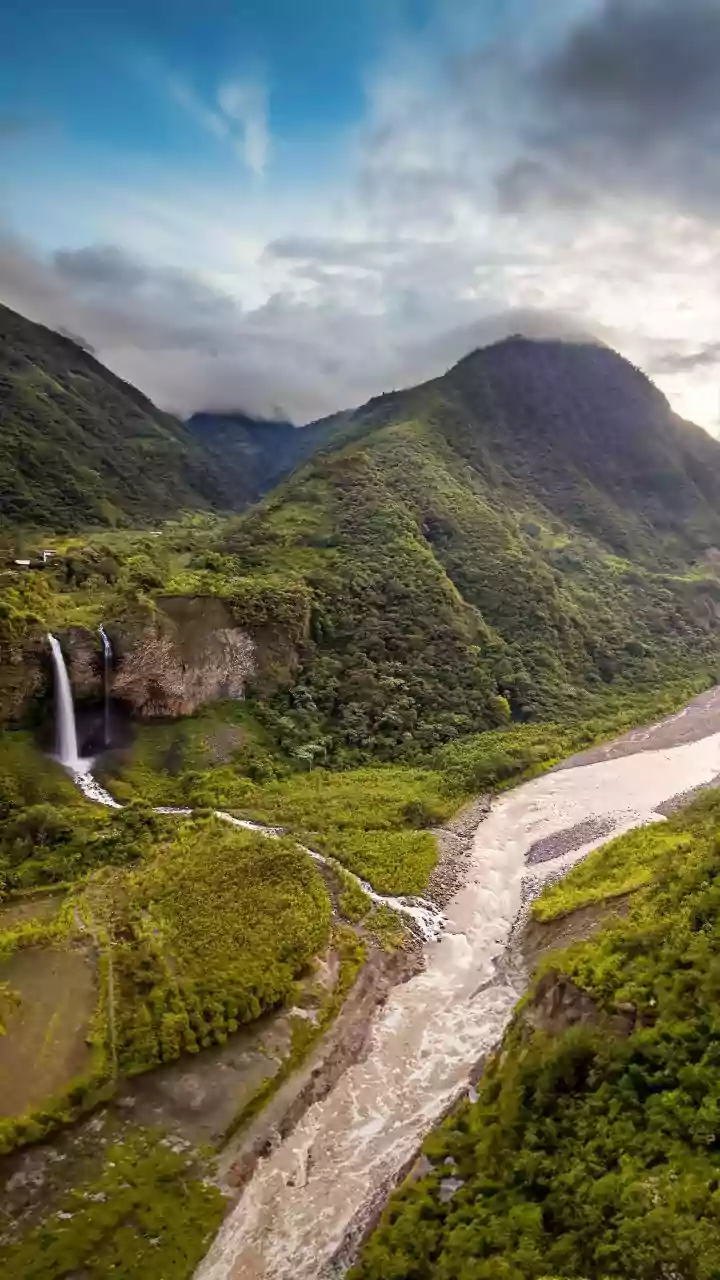
Venture into South America, and you’ll find some of the most biodiverse and drenched regions on the planet. While the Amazon gets much of the attention, the Chocó department of Colombia, with its capital Quibdó, is an undisputed rain champion. Located in the Pacific lowlands, this region receives staggering amounts of rainfall, fuelling an ecosystem of unparalleled diversity. This is off-the-beaten-path travel at its best. A trip here is about immersing yourself in pristine rainforests, discovering unique wildlife like poison dart frogs and howler monkeys, and learning from the resilient Afro-Colombian and Indigenous communities who call this lush, wet world home. It’s a destination that reminds you of nature’s raw power and untamed beauty.
How to Be a Happy Rain Traveller
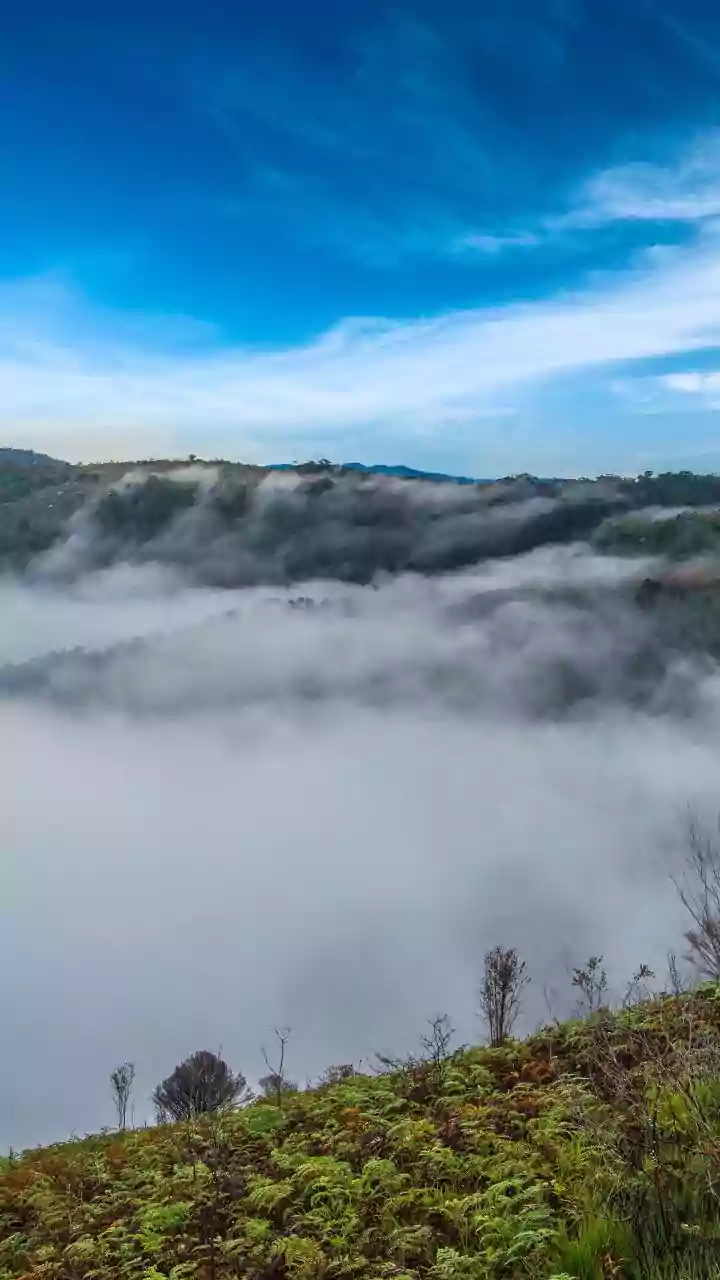
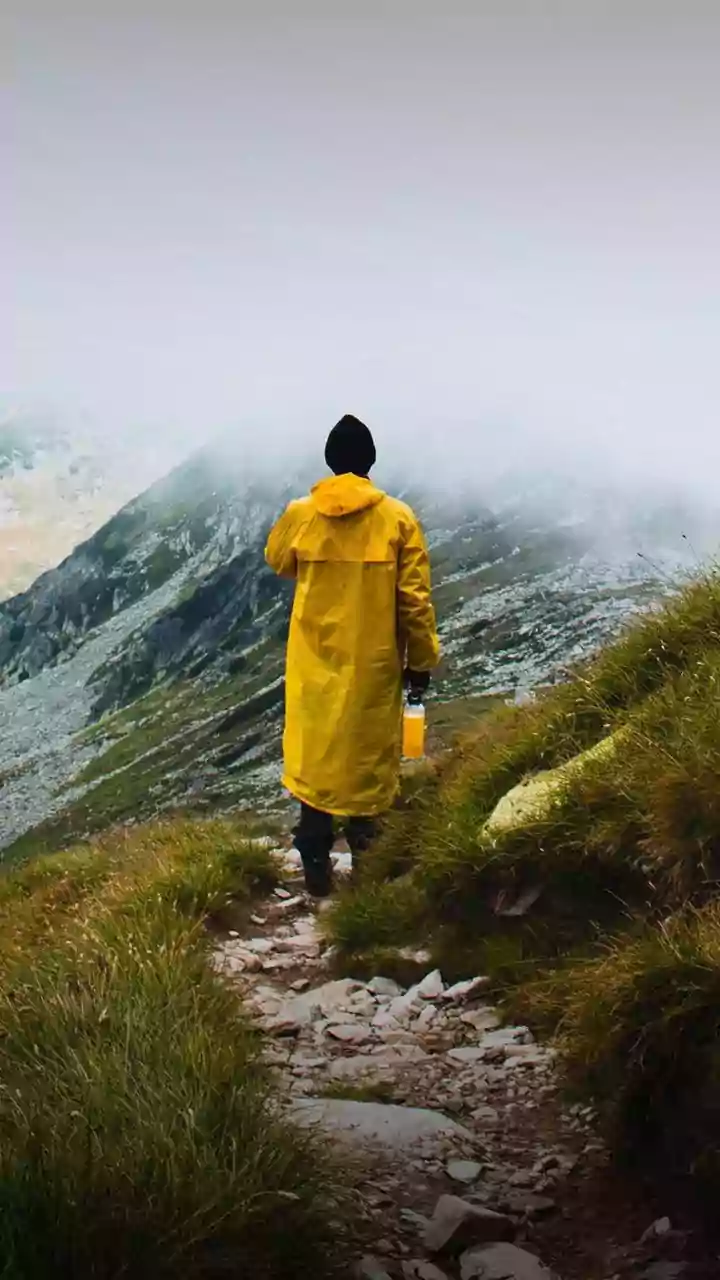
Ready to trade your flip-flops for waterproof boots? Embracing rain travel is all about mindset and preparation. First, invest in good gear. A high-quality waterproof jacket, sturdy non-slip shoes, and quick-dry clothing are non-negotiable. Waterproof bags or covers for your electronics are also essential. Second, adjust your expectations. Plans may change due to weather, but that’s part of the adventure. A washed-out trail might lead to a delightful afternoon spent in a local tea shop. Finally, lean into it. Find the beauty in the mist hanging over a valley, listen to the rhythm of the downpour on your roof, and enjoy the feeling of being one of the few travellers savvy enough to see a destination in its most dramatic and authentic state.