




That familiar feeling of tired eyes, a buzzing mind, and an endlessly scrolling thumb is no longer just a late-night habit—it's a daily reality for many urban Indians. But as digital fatigue sets in, a new trend is emerging as a powerful antidote.
The Age of Constant Connectivity
In cities
like Mumbai, Bengaluru, and Delhi, life is lived at a breakneck pace, and screens are our constant companions. From early morning work emails to late-night social media binges, our brains are perpetually plugged in. This relentless exposure to information, notifications, and virtual interactions has a name: digital fatigue. It’s a state of mental exhaustion caused by the prolonged use of digital devices. Studies show it can lead to decreased concentration, heightened stress, and a blurred line between personal and professional life. For many young Indian professionals, this isn't just an inconvenience; it's a significant drain on mental well-being, contributing to feelings of anxiety and burnout.
The Rise of the Experience Gift
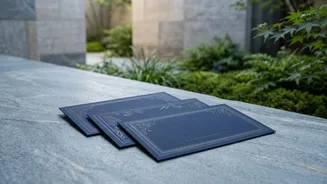
In response to this overload, a cultural shift is taking place in how we celebrate each other. Instead of adding another gadget or piece of clothing to the pile, many are now choosing to gift experiences. This trend, part of a larger 'experience economy', prioritizes creating memories over accumulating material possessions. An experience gift is any pre-planned activity, from a gourmet cooking class or a weekend trek to a spa day or concert tickets. Driven by urban millennials, the demand for unique, memorable activities is growing, reflecting a change in consumer values where the story behind a gift matters more than the object itself.
Why Memories Outshine Materialism
The power of an experience lies in its psychological impact. Research consistently shows that experiences, unlike material objects, provide longer-lasting happiness. According to studies from institutions like Wharton, experiential gifts are more effective at strengthening social connections between the giver and the recipient. This is because experiences evoke stronger emotions and become part of our personal stories. The anticipation leading up to an event, the joy of the moment itself, and the nostalgia of looking back on it all contribute to a deeper sense of fulfillment. In a world of mass-produced goods, a unique experience feels personal and thoughtful.
What Experiential Gifting Looks Like in India
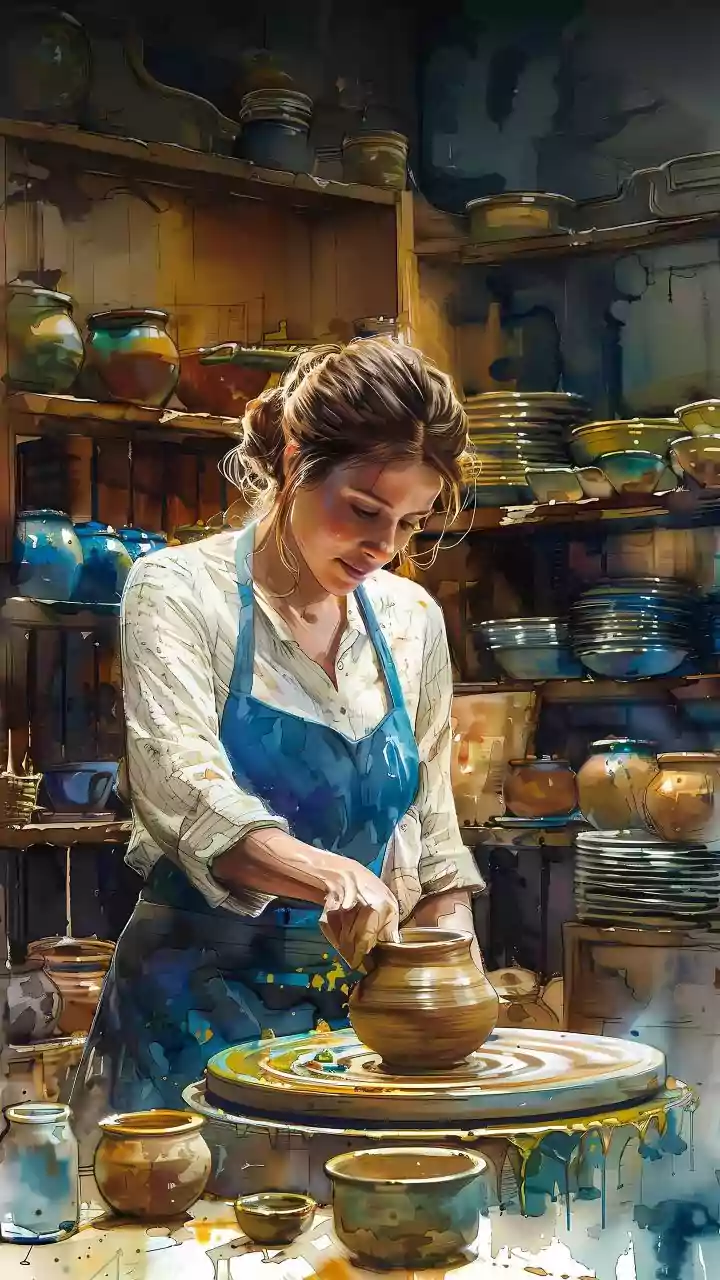
The Indian market is now brimming with diverse and creative experience-based gifts. In Mumbai, one might gift a private yacht ride off the Gateway of India or a guided street food tour. In Bengaluru, options range from vineyard tours and tastings to pottery workshops and even arcade gaming packages. Delhi offers heritage walks through ancient monuments and luxurious fine dining experiences. Beyond the metros, adventure seekers can find packages for paragliding, hot air ballooning, and trekking across the country. This growing industry caters to a wide range of interests and budgets, making it accessible for many occasions, from birthdays to anniversaries.
A Deeper Shift in Urban Values
The move towards experiential gifting is more than just a trend; it's a reflection of evolving urban values. After years of digital saturation, there is a growing desire for authenticity and genuine human connection. Gifting an experience is an invitation to log off and be present. It also aligns with a rising consciousness around sustainability, as people look for alternatives to the wastefulness of consumer culture. By choosing to share an activity, urban Indians are not just fighting their own digital fatigue; they are investing in relationships and creating a bank of happy memories that no screen can replicate. This signifies a move toward defining a 'good life' not by what you own, but by what you have lived.