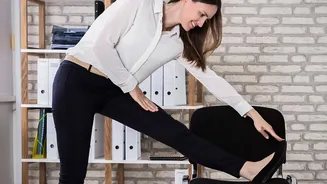







For many, the workday is defined by a desk and a chair, leading to a sedentary routine that's hard to break. Enter the 'walking call'—a simple but powerful way to integrate movement into your day, boosting your step count without losing productivity.
The High Cost of Sitting Still
Modern work often means spending hours sitting down, a reality that comes with significant health risks. A sedentary lifestyle is linked to a higher likelihood of developing obesity, type 2 diabetes, cardiovascular disease, and even certain types of cancer. This prolonged inactivity can also lead to musculoskeletal issues like neck, back, and shoulder pain, as well as poor posture and tight hips from shortened flexor muscles. Beyond the physical toll, sitting for most of the day can negatively impact mental health, with studies associating it with an increased risk of anxiety and depression. The shift towards desk-based jobs means that less than 20% of the workforce has physically active roles, a stark drop from about half in 1960. This makes finding ways to actively combat 'sitting disease' more crucial than ever.
What is a Walking Call?
A walking call is exactly what it sounds like: taking a phone or audio-only conference call while walking. Instead of being tethered to your desk, you can be moving, whether it's around your home, in your neighbourhood, or on a nearby trail. It's a strategy designed to replace the meetings that are naturally compatible with movement. The concept isn't new—innovators like Steve Jobs were famous for holding important discussions while walking. It transforms a passive activity into an active one, providing a much-needed break from the screen and chair. This simple habit reclaims time you'd otherwise spend sitting and converts it into valuable physical activity.
The Mental and Physical Benefits
The advantages of walking calls extend far beyond just hitting your daily 10,000 steps. Research has shown that walking can significantly boost creative thinking. A well-known Stanford University study found that creative output can increase by an average of 60% while walking compared to sitting. This is because walking promotes 'divergent thinking'—the ability to brainstorm and generate new ideas freely. This makes it perfect for problem-solving sessions or strategic discussions. Physically, it improves circulation, helps burn calories, and contributes to the recommended 150 minutes of weekly activity. Mentally, getting away from your desk for a walk can reduce stress, improve your mood, and help you return to your work feeling refreshed and refocused.
How to Conduct a Successful Walking Call
Making walking calls a regular part of your routine requires a little planning. First, identify the right meetings. One-on-ones, brainstorming sessions, team check_ins, and calls where you are primarily listening are ideal candidates. Avoid calls that require screen sharing or detailed note_taking. Next, prepare your gear. A good pair of comfortable shoes is essential, and a headset with a microphone will ensure clear audio and keep your hands free. Let other participants know in advance that you'll be walking; this manages expectations and might even encourage them to join you. Plan a safe, low_traffic route to avoid distractions and potential hazards. Finally, have a simple method for capturing important thoughts, like using a voice memo app on your phone.
Overcoming Common Obstacles
Potential challenges shouldn't deter you. If you're concerned about background noise, invest in a noise_cancelling headset and choose quieter routes. Bad weather? Have a backup indoor plan, like walking around your house, a quiet hallway, or even using a treadmill. If a call is with a new client or a more formal contact, you might want to ask permission first to ensure they are comfortable with the format. For conversations that might require you to reference a document, consider it a hybrid call—start walking for the conversational part and return to your desk when you need the screen. The key is flexibility and finding what works for your specific situation. Don't feel pressured to walk for every call; even one or two walking meetings a day can make a significant difference.