






The Problem with Sugary Summer Drinks
When the heat is relentless, it’s easy to reach for a fizzy soda, a packaged fruit juice, or a sweet sherbet. While they offer a moment of relief, these drinks are often packed with refined sugars and empty calories. A high intake of sugary beverages
can contribute to energy crashes, weight gain, and long-term health issues. For those managing conditions like diabetes, these drinks can cause unwelcome spikes in blood sugar levels. Making a conscious choice to opt for low-sugar alternatives is not about deprivation; it's about embracing ingredients that hydrate, nourish, and cool the body naturally without the processed additives. This is where traditional Indian fruits, used for generations, find their modern relevance.
The Gentle Magic of Cold Steeping
Typically, coolers and concentrates are made by boiling fruits with sugar to create a thick syrup. While effective, this process can alter the delicate flavours and sometimes diminish the nutritional value of the ingredients. Cold steeping, on the other hand, is a much gentler method. It involves soaking the ingredients in cold or room-temperature water for several hours. This slow infusion process extracts flavour and nutrients without the harshness of heat. The result is a smoother, less bitter, and more nuanced taste. With fruits like kokum and jamun, cold steeping draws out their natural tang and sweetness, reducing the need for added sugar and preserving their wholesome properties.
Kokum: The Tangy Superfruit Cooler
Kokum, or Garcinia indica, is a fruit native to the Western Ghats and has long been celebrated for its health benefits. It is a renowned natural coolant, making it perfect for preventing dehydration and heat stroke during harsh Indian summers. According to Ayurveda, kokum aids digestion, reduces acidity, and possesses anti-inflammatory properties. The fruit is also rich in antioxidants and contains hydroxycitric acid (HCA), a compound that can aid in weight management by suppressing appetite. Furthermore, studies suggest kokum can help in managing blood sugar levels by potentially enhancing insulin secretion, making it a favourable choice for many.
How to Make a Cold-Steeped Kokum Cooler
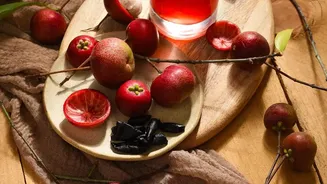
This recipe focuses on simplicity and natural flavour, avoiding the conventional process of creating a sugar-laden syrup. You will need about 8-10 dried kokum rinds, four cups of chilled water, and an optional natural sweetener like a small piece of jaggery or a teaspoon of honey. Start by rinsing the dried kokum rinds. Place them in a large jug with the chilled water. If you prefer a hint of sweetness, add your jaggery or honey now. Let the mixture steep in the refrigerator for at least 4-6 hours, or overnight for a stronger flavour. Once steeped, the water will have turned a beautiful ruby red. Stir well and strain the liquid to remove the rinds. For a classic finish, add a pinch of black salt and roasted cumin powder before serving over ice. This minimalist cooler is tangy, hydrating, and deeply refreshing.
Jamun: The Purple Powerhouse
Jamun, also known as black plum or Indian blackberry, is another summer fruit with a remarkable nutritional profile. It is packed with Vitamin C and iron, and its deep purple colour comes from anthocyanins, which are powerful antioxidants that protect the body's cells from damage. Jamun is particularly well-regarded for its anti-diabetic properties. It has a low glycemic index and contains compounds like jamboline, which are believed to slow the rate at which sugar is released into the bloodstream. This makes it an excellent fruit for those looking to manage their blood sugar levels naturally. Additionally, its fibre content aids digestion and promotes a feeling of fullness, helping with weight management.
How to Make a Cold-Steeped Jamun Cooler
A cold-steeped jamun cooler captures the fruit's unique sweet and astringent taste without needing much sugar. For this drink, take about one cup of fresh, ripe jamuns. Wash them thoroughly and remove the seeds. Lightly mash the pulp with a fork to help release the juices. Place the mashed jamun pulp in a jug with four cups of chilled water. You can also add a few mint leaves and a squeeze of lemon juice for extra freshness. Let it steep in the refrigerator for 2-3 hours. The water will take on a stunning purplish hue. Strain the mixture, gently pressing the pulp to extract all the liquid. Taste the cooler; if the jamuns were tart, you might want to add a very small amount of a natural sweetener. Serve chilled for a delicious and revitalizing drink.