


A New Era for Indian Space
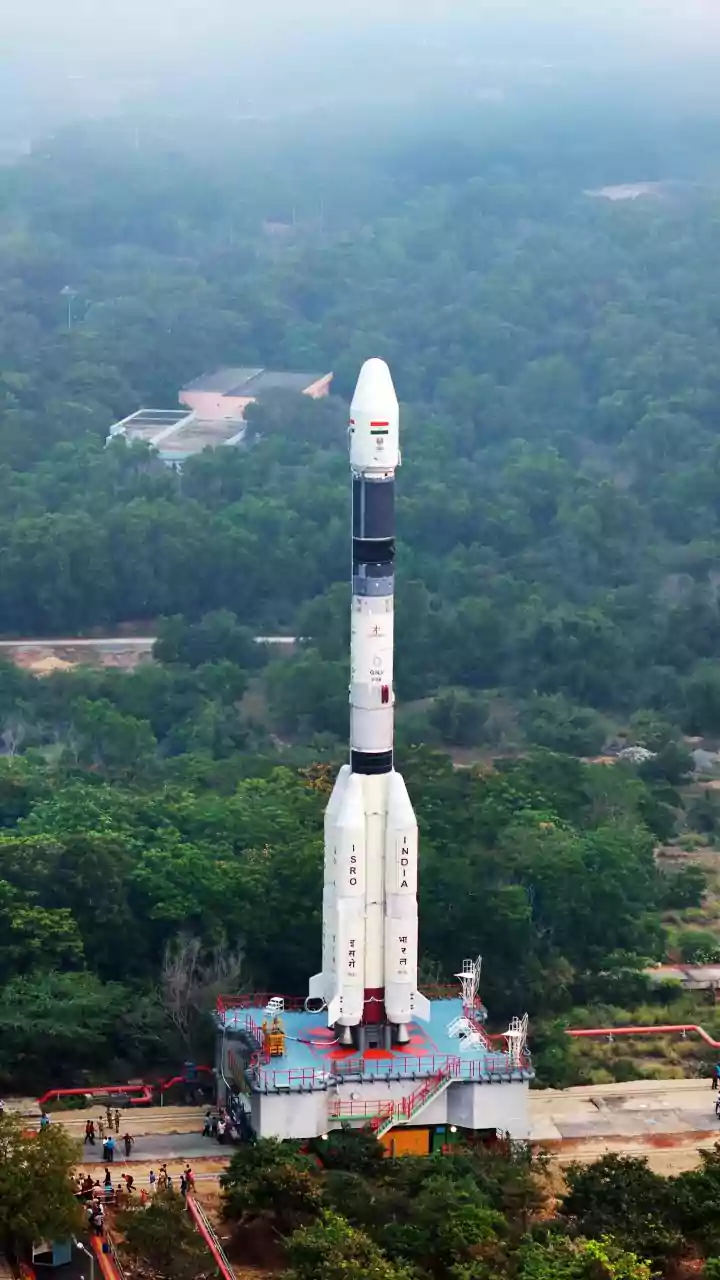
For decades, India's space ambitions were synonymous with the Indian Space Research Organisation (ISRO). But a monumental shift is underway. The Indian Space Policy 2023 has officially opened the doors for private companies to participate in end-to-end
space activities. This policy reform, coupled with liberalised Foreign Direct Investment (FDI) norms, has catalysed a startup boom. From just a handful a decade ago, India is now home to over 400 space-tech startups. This growth is facilitated by IN-SPACe (Indian National Space Promotion and Authorisation Centre), a single-window agency designed to regulate and promote private space activities, giving startups access to ISRO's facilities and expertise. The goal is to transform India’s space economy, projected to grow from around USD 8.4 billion today to over USD 40 billion by 2033, by allowing ISRO to focus on strategic research while private players drive commercialisation.
The Rocket Builders: Launching on Demand
At the forefront of this commercial wave are the launch vehicle startups, aiming to capture a slice of the lucrative global small satellite launch market. Hyderabad-based Skyroot Aerospace made history with its Vikram-1, India's first privately developed orbital rocket. The company aims to ramp up its launch frequency, with ambitions to eventually produce multiple rockets per month from its new facility. Another key player is Chennai-based Agnikul Cosmos, which has gained attention for its highly configurable Agnibaan rocket. Agnikul has pioneered the use of 3D-printed engines, successfully test-launching the world's first single-piece 3D-printed engine in May 2024. This technology drastically reduces manufacturing time and cost. Both companies are not just launching rockets; they are developing the capabilities for faster, more frequent, and more affordable access to space.
Eyes in the Sky: Satellites and Data
Beyond launch vehicles, a growing number of startups are focused on building and operating satellites to provide valuable data. Pixxel is a leader in this domain, building a constellation of hyperspectral imaging satellites. Unlike standard cameras, hyperspectral imagers capture data across hundreds of light bands, revealing details invisible to the naked eye, such as crop health, mineral deposits, and pollution sources. With its 'Firefly' constellation now in orbit, Pixxel is providing commercial data to a global client base. Another significant full-stack provider is Dhruva Space, which offers satellites, ground station services, and launch integration. Founded in 2012, the Hyderabad-based company provides end-to-end solutions, from designing and building satellites to managing their operations in orbit for applications ranging from communications to disaster management.
The Full Spectrum of Orbital Services
The ecosystem extends far beyond just rockets and satellites. A diverse range of companies are building the crucial infrastructure and services needed to sustain a commercial space economy. This includes what is often termed 'orbital services'. For instance, Dhruva Space provides Ground Stations as a Service (GSaaS), offering the vital communication link between satellites and Earth-based operators. Other startups are tackling even more complex, futuristic challenges. Agnikul has announced ambitions for its Mission-02 to include developing a reusable rocket booster, a key step in reducing launch costs. There is also growing interest in in-orbit servicing, satellite life extension, and even managing space debris, creating a comprehensive value chain that supports every phase of a space mission, from the drawing board to operations in orbit and beyond.