


The Social Media Showcase
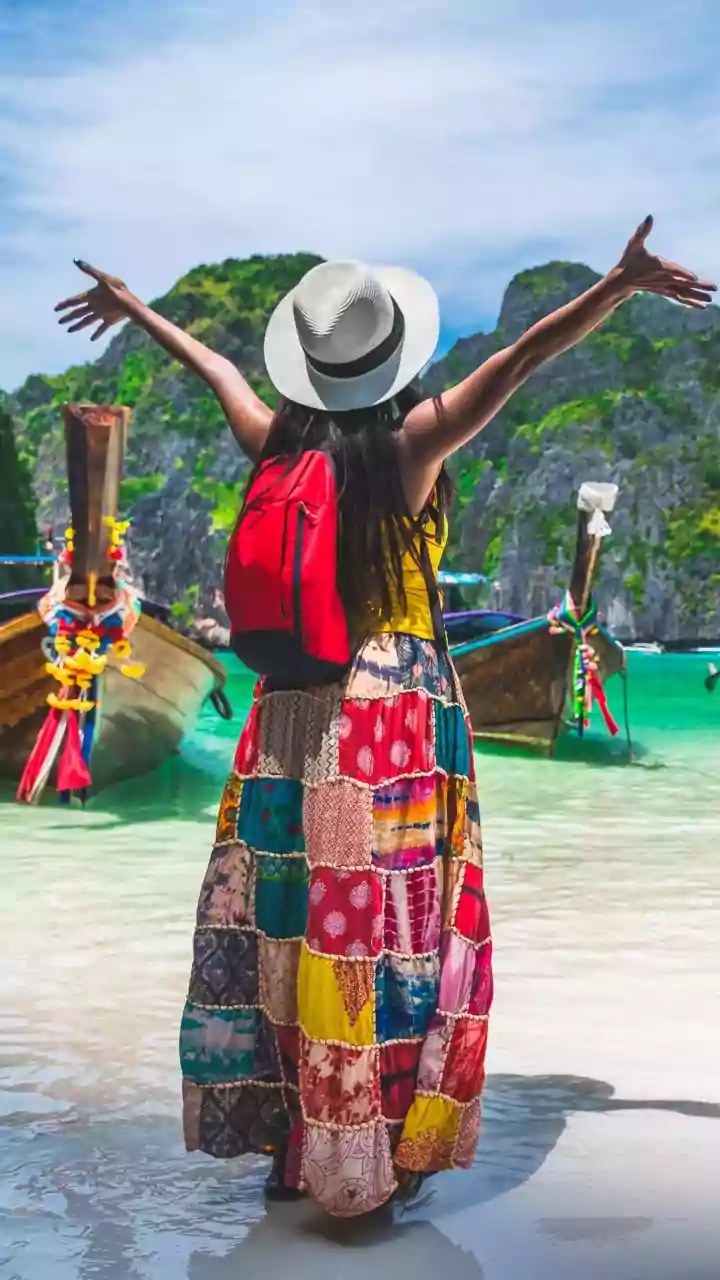
In a world dominated by smartphones, experiences have become a new form of social currency. For many young Indians, particularly Gen Z, life is lived online, and an Instagram feed filled with travel photos or a reel from a music festival is a powerful
form of self-expression. Studies show that a majority of young travellers in India say social media directly influences their destination choices. Unlike a new gadget, a trip to a visually stunning location provides a steady stream of shareable content that helps build a personal brand and identity online. This digital stage creates a feedback loop: seeing others post about their adventures fuels a Fear of Missing Out (FOMO) and a desire to create one's own memorable moments, making experiences a more valuable asset than many physical possessions.
A Post-Pandemic Mindset Shift
The COVID-19 pandemic acted as a powerful catalyst, accelerating a change in consumer priorities. After years of restrictions and uncertainty, there's a widespread desire to make up for lost time and a deeper appreciation for the present moment. This has translated into a surge in spending on travel, dining, and live entertainment. Many young people have internalised the idea that experiential purchases often lead to greater and more lasting happiness than material ones. This philosophical shift, combined with a post-pandemic urgency, means that creating memories is now seen as a crucial investment in personal well-being, rather than a frivolous expense.
Redefining Wealth and Status
The traditional markers of success are losing their grip. While the previous generation prioritised accumulating physical assets, today’s youth are more likely to measure wealth in terms of life experiences. This isn't just a hunch; it's a structural reset in the economy. Spending on experiences like hotel stays and recreational activities in India is projected to grow faster than spending on physical goods through 2030. This trend is driven primarily by Gen Z, who are now entering the workforce and attaining financial independence. For this demographic, a passport full of stamps or a collection of concert tickets can signal status and a life well-lived more effectively than owning expensive items.
The Rise of Accessibility and New Options
The experience economy itself is booming, offering more options than ever before. India's experience market, valued at over $32 billion in 2024, is projected to nearly double by 2030. This growth isn't just in tourism. It includes a surge in live events, with over 34,000 concerts and shows hosted in 2025 alone. Beyond large-scale events, there's a boom in smaller, more accessible activities like competitive gaming arcades, escape rooms, and indoor amusement parks, which are redefining weekend socialising. Increased digital literacy, flexible payment options, and the rise of remote work have also untethered many young professionals, allowing them to blend travel and work in ways that were previously impossible.
The Quest for Connection and Authenticity
After years of increased screen time, many young people are battling digital fatigue and actively seeking real-world connections. Experiences, whether it's a challenging group trek or a local cultural workshop, provide an opportunity for genuine social interaction and community building. There's a growing demand for personalised, authentic, and culturally immersive activities over standardised offerings. Young travellers, for instance, are increasingly seeking out lifestyle hotels that offer unique local events and communal spaces. This desire for authenticity also extends to brand interactions, with Gen Z, in particular, valuing innovation and unique experiences over legacy brand names. They are looking for moments that are not just Instagrammable, but also personally meaningful.