
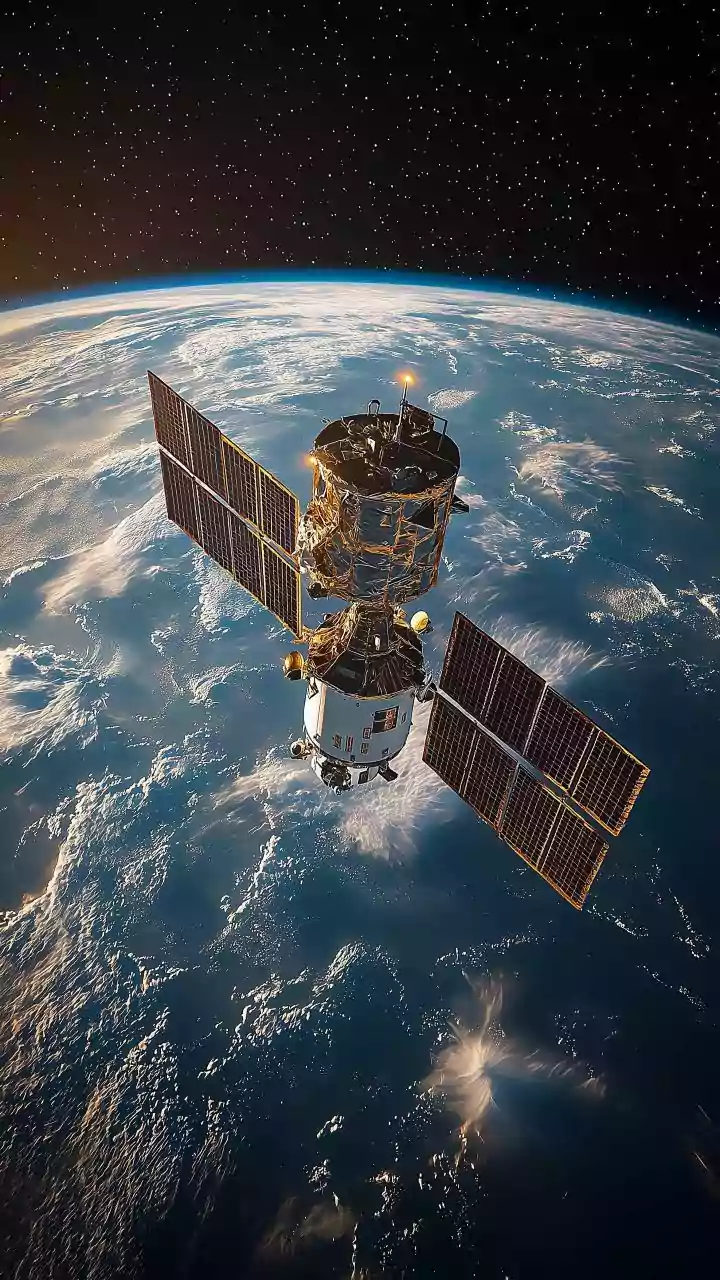

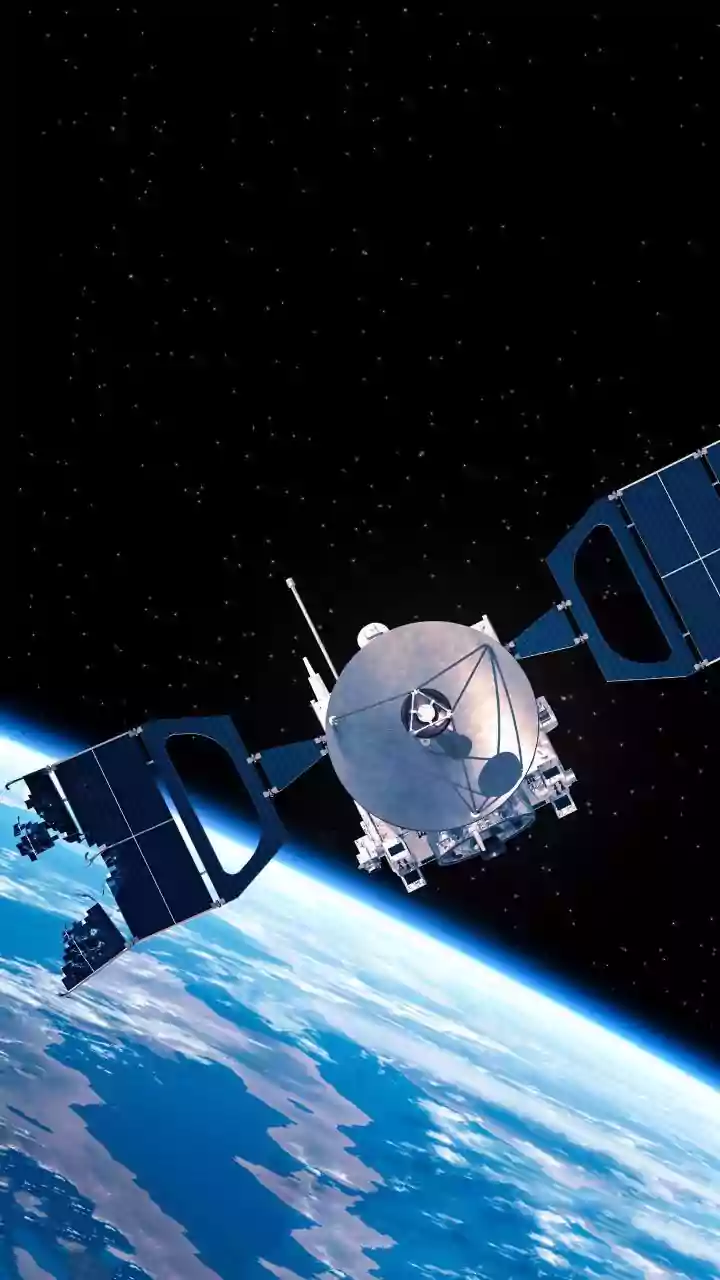
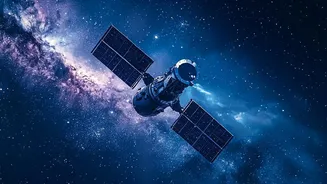

After a historic mission to one asteroid, Japan’s Hayabusa2 spacecraft is not retiring. Instead, it's on a new, decade-long quest to meet one of the smallest, fastest-spinning objects ever targeted: asteroid 1998 KY26.
A Mission Reborn from Success
The story of this new adventure begins
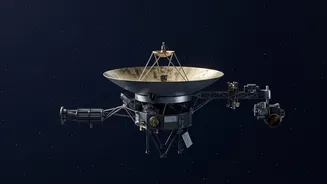
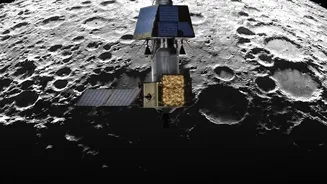
with the stunning success of the first. The Hayabusa2 spacecraft, operated by the Japan Aerospace Exploration Agency (JAXA), launched in 2014. Its original target was Ryugu, a carbon-rich, diamond-shaped asteroid nearly a kilometre wide. Hayabusa2 arrived in 2018, mapping the body, deploying small rovers, and, most impressively, conducting two separate touchdowns to collect samples. It even created an artificial crater to grab pristine material from beneath the surface. In December 2020, the spacecraft flew by Earth and dropped off its precious cargo—a capsule containing over five grams of asteroid dust and rock, far exceeding expectations. These samples have since provided invaluable clues about the origins of water and organic molecules in our solar system. But with half its fuel remaining and all systems healthy, JAXA gave Hayabusa2 a new, even more ambitious assignment: an extended mission.
The New Target: A Tiny, Whirling Space Rock
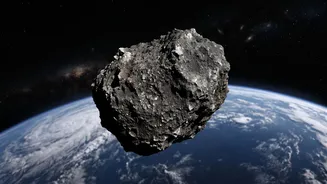
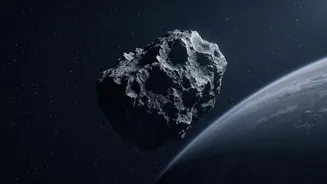
The destination is an asteroid known as 1998 KY26. And it is a completely different beast from Ryugu. Recent observations have revealed it is incredibly small, only about 11 metres in diameter—roughly the size of a school bus. This will make it the smallest asteroid ever visited by a spacecraft. What truly sets it apart is its astonishing rotation speed. 1998 KY26 completes a full spin in just over five minutes, making it one of the fastest-rotating objects known in the solar system. This rapid spin creates a bizarre environment where the centrifugal force at its equator might be strong enough to challenge its own weak gravity, making any attempt to land or interact with it a major technical challenge. Visiting this object is a chance to study a class of tiny near-Earth objects that are common but poorly understood.
A Complex, Decade-Long Journey
Getting to 1998 KY26 is not a straight shot. It's a complex, multi-stage journey that showcases incredible long-term mission planning. After dropping off the Ryugu samples in 2020, Hayabusa2 fired its efficient ion engines and headed back into deep space. Its path involves several carefully planned manoeuvres over more than a decade. In July 2026, the spacecraft performed a high-speed flyby of another asteroid, (98943) Torifune. Following that, it is scheduled to perform two Earth swing-bys in 2027 and 2028, using our planet's gravity to adjust its trajectory for the final leg of its journey. The long-awaited rendezvous with 1998 KY26 is finally scheduled for July 2031, more than ten years after its extended mission began.
The Scientific Payoff: Planetary Defence and Cosmic Origins
So why travel for over a decade to visit a tiny, spinning rock? The scientific rewards are potentially huge. Firstly, it’s a crucial mission for planetary defence. Asteroids in the 10–50 metre range are the most frequent impactors on Earth. Understanding their physical structure—whether they are solid chunks of rock or loose 'rubble piles' held together by weak forces—is critical for developing strategies to deflect a potential threat. The rapid spin of 1998 KY26 puts its very structure to the test, offering a real world case study. Secondly, these tiny asteroids are thought to be pristine remnants from the formation of the solar system 4.6 billion years ago. Much like Ryugu, 1998 KY26 could hold fundamental clues about the building blocks of planets. By studying it up close, scientists hope to bridge the gap in our knowledge between the large asteroids we've visited and the meteorites that fall to Earth.