


The Charm and the Challenge
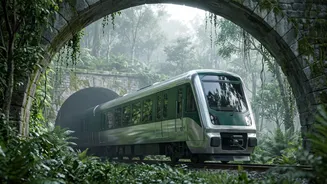
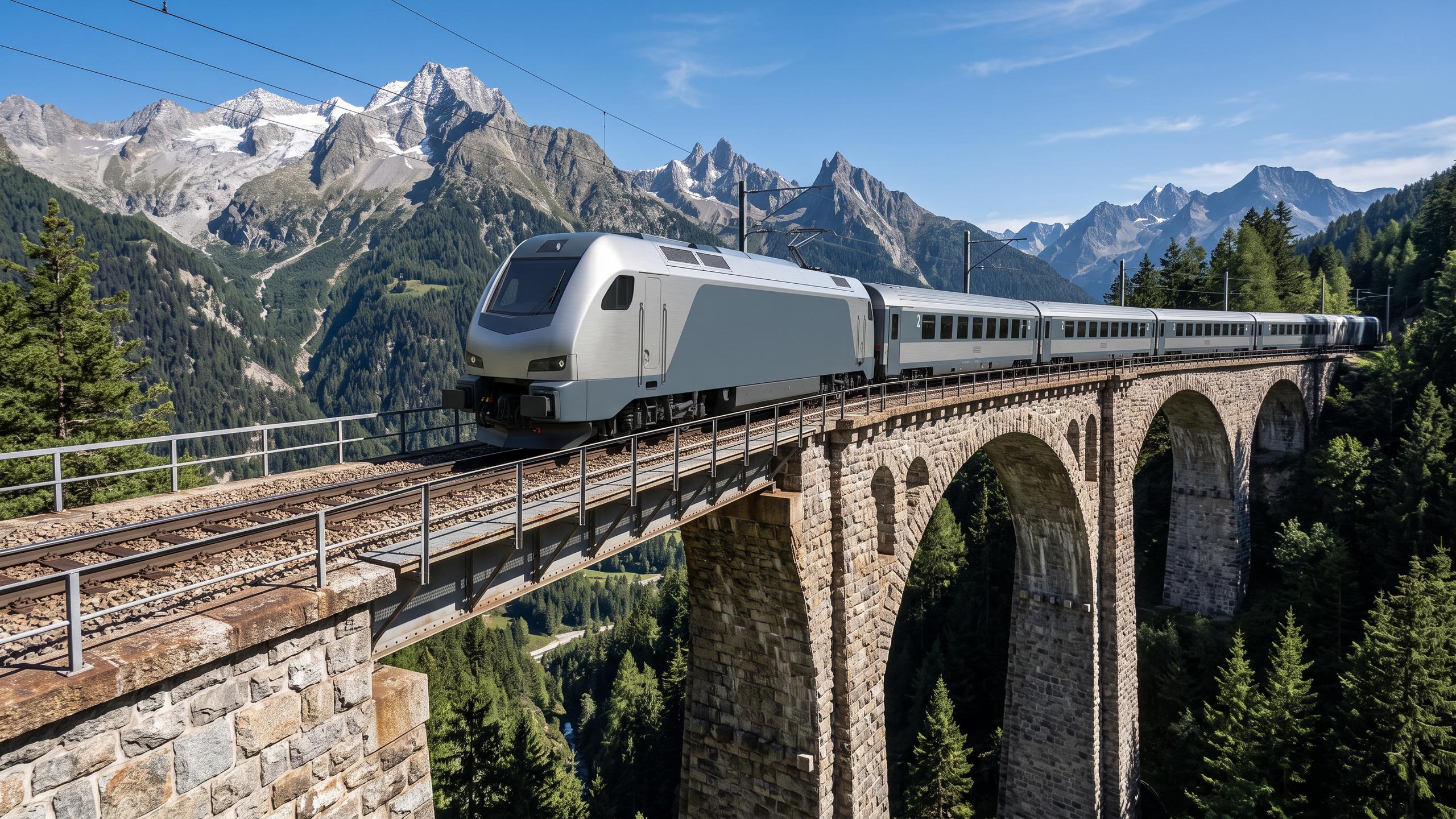
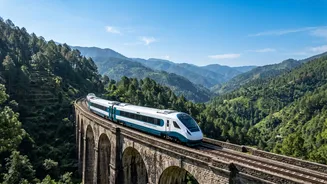
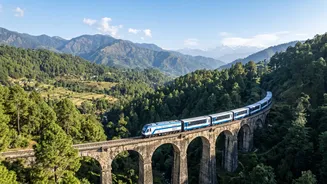
The chugging sound of a locomotive, the winding tracks through mist-covered hills, and the panoramic views of valleys below—journeys on India’s heritage railways like the Kalka-Shimla, Darjeeling Himalayan, and Nilgiri Mountain lines are unforgettable.
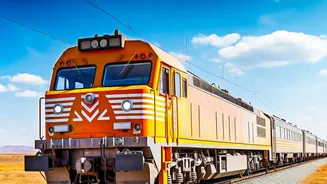
Designated as UNESCO World Heritage Sites, these railways are more than just transport; they are living history. For decades, however, this experience has been powered by diesel engines. While effective, these locomotives release harmful pollutants, including particulate matter and nitrogen oxides. In the fragile, biodiverse ecosystems of the Himalayas and the Western Ghats, this pollution takes a toll, dirtying the air and impacting local flora and fauna. The noise from diesel engines also disrupts the natural tranquility of these mountain environments.
Introducing 'Hydrogen for Heritage'
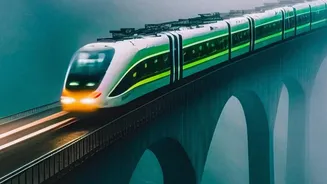
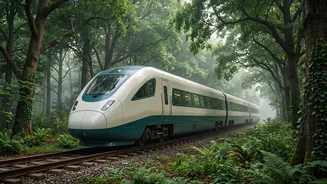
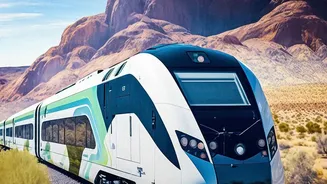
To address this environmental conflict, Indian Railways has launched an ambitious initiative called “Hydrogen for Heritage.” The project’s goal is to replace traditional diesel locomotives on these iconic routes with trains that run on clean hydrogen fuel. The plan envisages running 35 hydrogen trains across several heritage lines, aiming to transform them into green corridors. This move is part of a larger national strategy to reduce carbon emissions, decrease reliance on imported fossil fuels, and achieve Net Zero emissions goals. By focusing on these ecologically sensitive and historically significant routes first, the project serves a dual purpose: preserving natural beauty while showcasing India’s commitment to green technology on a global stage.
How Do Hydrogen Trains Work?
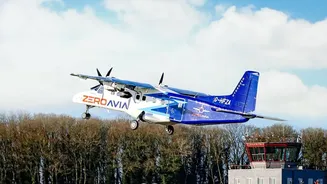
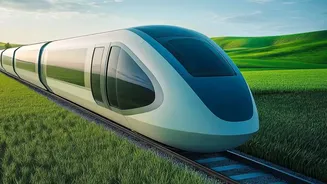
So, how does a train run on hydrogen? Instead of burning fuel in an engine, a hydrogen train is essentially an electric train that carries its own power plant. The core of the system is a Proton Exchange Membrane (PEM) fuel cell. Inside this cell, compressed hydrogen stored in cylinders on the train chemically reacts with oxygen drawn from the air. This electrochemical reaction generates electricity to power the train’s motors, and the only byproduct is water vapour. There is no smoke, no soot, and no carbon emissions. This process is also significantly quieter than a rumbling diesel engine, reducing noise pollution. It's a clean, efficient system designed to provide a smooth journey with minimal environmental impact.
From Pilot Project to Passenger Service
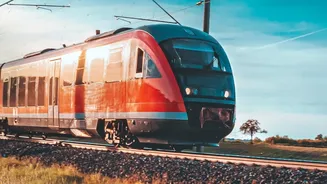
The 'Hydrogen for Heritage' project is moving from concept to reality. The first major step was the development and successful trial of a prototype hydrogen train. In July 2026, India's first hydrogen-powered passenger train was inaugurated on the Jind-Sonipat section in Haryana as a pilot project to test the technology under real-world conditions. This pilot has been crucial for demonstrating the feasibility and safety of hydrogen-powered rail travel in India. While this initial route is not a heritage line, the learnings from its operation are directly informing the planned rollout on mountain railways. The Kalka-Shimla and Matheran Hill Railway lines are among the first heritage routes slated to receive these modern, clean locomotives, though a definitive timeline for full implementation is still being finalised as the technology matures.
A Greener Future for Indian Travel
The adoption of hydrogen locomotives is more than just an upgrade; it’s a fundamental shift in how India approaches sustainable transportation. For the heritage lines, it means tourists can enjoy the scenic beauty without contributing to its degradation. The cleaner air and quieter operation will help preserve the delicate mountain environments for future generations. Furthermore, by developing this technology indigenously, India joins a select group of nations pioneering hydrogen rail. While initial costs are high, they are expected to decrease as the technology becomes more widespread. The 'Hydrogen for Heritage' initiative is a powerful symbol of how the nation can honour its past while responsibly building a cleaner, greener future for all.