





More Than Just a Fruit
In the United States, we think of seasons in terms of weather or holidays. In India, the period from late March through July is defined by one thing: mangoes. This isn't just about a fruit appearing in markets; it's a national mood. Conversations shift,
social calendars fill up, and an entire cottage industry of sellers, graders, and shippers springs to life. The arrival of the first mangoes is cause for celebration, and their departure is met with a collective, wistful sigh. For many Indians, the taste of a specific mango is tied to childhood memories, of summers spent with grandparents, and of the simple, sticky-fingered joy of eating a perfectly ripe fruit over the kitchen sink to catch the drips.
A Universe of Flavor
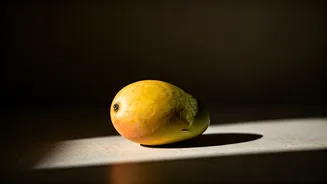
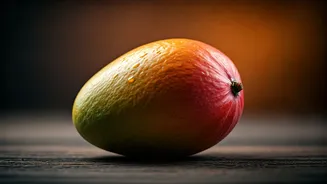
If your mango experience is limited to the red-and-green Tommy Atkins or the yellow Ataulfo found in most American supermarkets, you're only seeing a tiny corner of a vast universe. India is home to over 1,500 varieties of mango, each with its own devoted following, distinct flavor profile, and geographical pedigree. The most famous is the Alphonso, or 'Hapus,' from the coastal Konkan region. Renowned for its saffron-hued, non-fibrous flesh and intoxicating aroma, it's often called the 'king of mangoes' and is a prized, and often expensive, delicacy. But there are countless other regional champions. The sweet, fragrant Kesar from Gujarat is perfect for juice. The uniquely tangy and slightly sour Langra from Uttar Pradesh has a loyal fanbase. The Dussehri from the north is fiberless and intensely sweet. Each variety has its moment in the season, creating a rolling wave of new flavors to anticipate and savor.
The Sweet Rituals of Summer
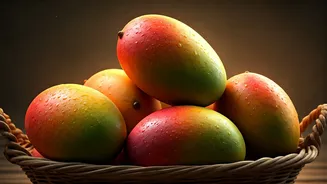
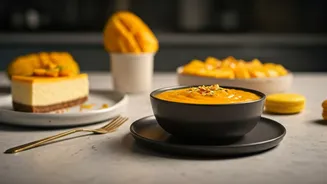
Mango season is deeply social. Families and friends host 'mango parties,' where the only activity is sitting down to a basket of freshly chilled fruits and eating them until you can’t anymore. Gifting a box of premium mangoes—often the first and best of the harvest—is a sign of respect and affection, equivalent to giving a fine bottle of wine. In markets, the air is thick with the scent of ripe fruit as vendors build precarious, colorful pyramids of their wares. Customers don't just grab and go; they carefully inspect each fruit, sniffing the stem-end for fragrance and gently pressing for the perfect give, engaging in a knowledgeable back-and-forth with the seller. The fruit is woven into the cuisine of the season, from refreshing mango lassis and tangy 'aam panna' drinks to pickles ('achar') and endless desserts.
A Bittersweet Goodbye
All good things must end. As the summer heat gives way to the first monsoon rains in June and July, the supply of the most beloved mango varieties dwindles. The last few boxes are snapped up, savored with an almost reverential quiet. There's a sense of finality, of a delicious chapter closing for another year. Late-season varieties make a brief appearance, but for purists, the peak is over. People begin to talk with nostalgia about the best Alphonso they had this year and start the nine-month countdown until the cycle begins anew. The end of the season is a reminder of nature's rhythm and the fleeting perfection of a fruit that, for a few short months, brings a nation together in a shared, delicious obsession.