
The Subtle Science of Soft Light
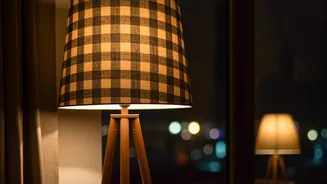
The magic of a textured lampshade lies in how it interacts with light. Unlike smooth paper or plastic shades that can produce a flat, uniform light, fabric shades with a noticeable weave or slub create a more complex effect. The small peaks and valleys
in the material catch, absorb, and refract the light from the bulb. This process of diffusion breaks up the harshness, scattering the light more gently and creating a multi-dimensional glow that feels instantly warmer and more comfortable. This 'visual weight' adds depth and soul to a room, transforming a functional light source into a key element of your decor. A simple swap from a smooth shade to a textured one can be the single most effective change for making a living space feel curated and intimate.
A Guide to Warmth-Inducing Fabrics
Not all fabrics are created equal when it comes to crafting a cozy glow. Linen is a perennial favourite among designers for its ability to strike a perfect balance. Its natural, uneven fibers diffuse light beautifully, creating a soft, dappled effect that’s bright enough for reading but gentle enough for relaxation. For a more rustic or earthy feel, burlap’s coarse weave casts a distinctly warm, directional light, making it a statement piece in farmhouse or industrial-inspired interiors. If luxury is the goal, silk radiates a soft, luminous warmth that enriches a room, making it ideal for more formal living rooms and bedrooms. Its subtle sheen reflects light as much as it diffuses it, adding a touch of opulence.
Considering Weave, Colour, and Lining
Beyond the type of fabric, its specific characteristics play a crucial role. The density of the weave is critical; a loosely woven linen will allow plenty of ambient light to pass through, while a tighter weave will create a more focused, moody effect. Colour also significantly influences the light's temperature. Shades in cream, beige, or natural tones will enhance a bulb's warmth, casting a more golden hue across the space. Conversely, a crisp white fabric will produce a cleaner, though still soft, light. Don’t forget the inside of the shade. A standard white lining will reflect light cleanly and efficiently, while a gold lining is a secret weapon for amplifying warmth. It tints the reflected light with an amber quality, making the entire room feel more inviting.
Styling Textured Shades for Maximum Impact
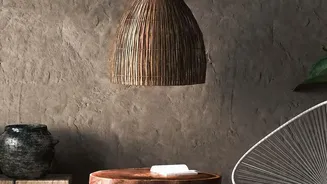
To make the most of your textured lampshades, think about placement and pairing. A lamp with a linen or burlap shade is perfect for a reading nook, a bedside table, or next to a comfortable armchair, where it can create a cozy pocket of light. These textures pair wonderfully with natural materials like wood, ceramic, and stone, enhancing an organic and grounded design scheme. Don't be afraid to mix and match. Using different textured shades within the same room—for instance, a pleated silk shade on a table lamp and a woven rattan shade on a floor lamp—can create layers of visual interest and a sophisticated, well-rounded lighting plan. The key is to ensure they share a common element, such as a similar colour palette or shape, to maintain a sense of harmony.