




Choose Your Footwear Wisely
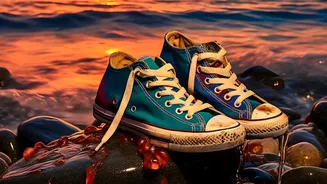
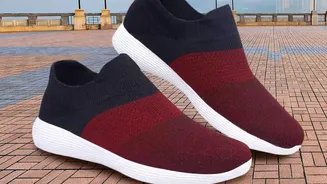
The first line of defence against monsoon foot problems is your choice of footwear. Leather and suede are poor choices as they absorb water and get damaged. Instead, opt for shoes made from waterproof or quick-drying materials like rubber, PVC, or EVA.
Open footwear such as floaters, flip-flops, and clogs are excellent because they allow water to drain out easily and let your feet breathe. If your workplace requires closed shoes, look for waterproof sneakers with features like a Gore-Tex membrane, which blocks water while allowing vapour to escape. For those navigating heavily waterlogged streets, classic gumboots offer the best protection by covering your ankles completely. No matter the style, ensure your shoes have a good grip to prevent slipping on wet surfaces.
Master Your Sock Strategy
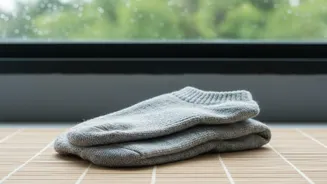
Socks are crucial for managing moisture, but not all are created equal. Avoid cotton socks during the monsoon; while absorbent, they take a long time to dry and can trap moisture against your skin, creating a breeding ground for fungi. Instead, choose socks made from moisture-wicking materials like merino wool or synthetic blends such as CoolMax. These fabrics pull sweat and moisture away from your skin, helping your feet stay drier. It's also a smart habit to carry a spare pair of dry socks in your bag. If you get caught in a downpour, you can swap out the damp pair as soon as you reach your destination, which is a simple but powerful way to prevent infections.
The Pre-Commute Prep
A few moments of preparation before you leave home can make a significant difference. Dusting your feet with an antifungal powder is a highly effective preventative measure. This helps absorb excess sweat and creates an environment hostile to fungal growth. Pay special attention to the area between your toes, as this is where moisture tends to accumulate. If you're prone to blisters or friction, especially with new or rubber-based footwear, consider applying an anti-shoebite gel. These products form an invisible barrier on the skin that reduces rubbing and helps prevent painful sores from developing on damp skin.
The Post-Commute Ritual
What you do after your commute is just as important as how you prepare for it. As soon as you get indoors, remove your wet shoes and socks. Wash your feet thoroughly with mild soap and warm water to get rid of any grime or bacteria collected from dirty rainwater. The most critical step is drying your feet completely. Use a clean towel and be meticulous about drying the spaces between your toes, as this is a common starting point for fungal infections like athlete's foot. Once dry, letting your feet air out for a while is beneficial. If your skin feels dry after washing, apply a light moisturiser, but avoid putting lotion between your toes to prevent trapping moisture.
Care for Your Wear
Your shoes need post-commute care too. Never wear the same pair of damp shoes two days in a row; they need at least 24 hours to dry out completely from the inside. To speed up the drying process, loosen the laces and remove the insoles. Stuffing them with newspaper is a classic and effective trick—the paper absorbs a surprising amount of water. For very wet shoes, you might need to replace the newspaper after a few hours. Placing them near a fan can also significantly speed up drying time by improving air circulation. Avoid using direct heat sources like hair dryers, radiators, or ovens, as intense heat can damage the shoe's glue and materials, causing them to deform or fall apart.
Know When to See a Doctor
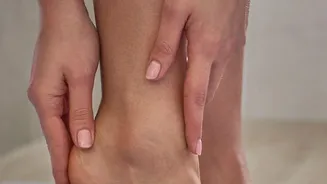
Despite your best efforts, infections can still happen. The warm, humid monsoon weather is a perfect storm for fungal and bacterial growth. Be vigilant for signs of an infection, which can include persistent itching, scaling or peeling skin, redness, blisters, or a foul odour that doesn't go away with washing. If you notice any of these symptoms, especially if they persist or worsen, it's time to consult a doctor or a dermatologist. Self-treating with over-the-counter creams can sometimes be ineffective or even aggravate the issue if the diagnosis is incorrect. A professional can provide an accurate diagnosis and prescribe the right course of treatment to get your feet back to being healthy and happy.