





As winter settles in, the loving care you give your balcony plants needs a seasonal adjustment. That lush greenery braving the cold faces a hidden threat that even the most attentive city gardener can overlook: root rot from overwatering.
Understanding the Enemy: Root Rot
Root rot is a
common and often fatal condition for container plants. It occurs when roots are deprived of oxygen because the soil is waterlogged. This suffocating, overly wet environment becomes a breeding ground for fungi and bacteria that cause the roots to decay. Healthy roots are typically firm and white or light-coloured, but when rot sets in, they become brown, black, and mushy. The scary part? By the time you see symptoms above ground, like yellowing leaves, the damage below has already begun.
The Winter Watering Trap
Instinctively, we want to care for our plants, and watering often feels like the most direct way to do so. But winter changes the rules. Most plants enter a dormant or semi-dormant state during the colder months. With shorter days and weaker sunlight, photosynthesis slows down, meaning they aren't actively growing and their need for water and nutrients drops significantly. At the same time, cooler temperatures mean water evaporates from the soil much more slowly. This combination creates a perfect storm where the soil stays wet for prolonged periods, making overwatering a much greater risk than in summer.
Adjust Your Watering Routine
The golden rule for winter watering is simple: water less frequently, but water thoroughly when you do. Ditch the rigid summer schedule. Before reaching for the watering can, check the soil. The most reliable method is the finger test: stick your finger about two inches into the soil. If it feels dry at that depth, it's time to water. If it feels cool or moist, wait a few more days and check again. When you do water, do it in the morning on a day when temperatures are above freezing. This allows the plant to absorb what it needs and lets excess moisture evaporate before temperatures drop at night. Water until it drains from the bottom of the pot, then let it dry out before the next watering.
Good Drainage is Non-Negotiable
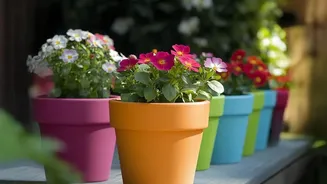
Reducing watering frequency is crucial, but it's only half the battle. Excellent drainage is your best defence against root rot year-round, and especially in winter. Ensure every pot has drainage holes. If your decorative planter doesn't have them, either drill some or use it as a cachepot, placing the plant in a plastic nursery pot inside it and emptying any excess water after watering. You can also elevate your pots on 'pot feet' or small stands. This simple trick creates an air gap, allowing water to escape freely and preventing the base from sitting in a cold, wet puddle on your balcony floor.
Signs of Trouble and How to Act
Even with care, problems can arise. Be vigilant for the telltale signs of root rot. These include yellowing or drooping leaves despite the soil being moist, stunted growth, and a soft or mushy stem base. You might also notice an unpleasant, musty, or sour smell coming from the soil. If you suspect root rot, you must act fast. Gently remove the plant from its pot and inspect the roots. Trim away any that are brown, black, and soft with a clean, sharp pair of scissors or shears. Repot the plant in fresh, well-draining potting mix in a clean pot. It's a drastic step, but it's often the only way to save a plant once rot has taken hold.