



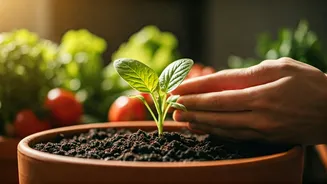


From Concrete Jungle to Kitchen Garden
For years, the urban Indian balcony was a utilitarian space—a spot for drying clothes, storing old furniture, or at best, housing a few hardy decorative plants. Today, it’s being reimagined. A growing number of city dwellers are transforming these small
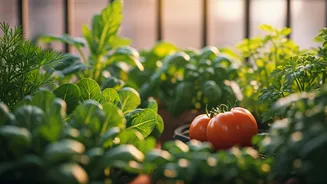
outdoor pockets into vibrant, functional herb gardens. This isn't just about aesthetics; it's a conscious lifestyle choice driven by a desire for better health, fresher ingredients, and a deeper connection to the food we eat. In cities like Mumbai, Bengaluru, and Delhi, where apartment living is the norm, the ability to pluck fresh mint for your chai or curry leaves for your tadka is a small but profound luxury. This movement represents a quiet rebellion against pesticide-laden produce and the disconnect of modern food supply chains.
The Post-Pandemic Green Rush
The COVID-19 pandemic acted as a powerful catalyst for this trend. Confined to our homes, we began to see our living spaces differently. The balcony, once overlooked, became a sanctuary—a private window to the outside world. This period sparked a massive interest in home-based hobbies, and gardening topped the list. It offered a therapeutic escape from screen fatigue and anxiety, providing a tangible, nurturing activity. Nurseries reported a surge in demand for seeds, soil, and saplings as people sought to bring nature indoors. The simple act of tending to a plant offered a sense of control and purpose during uncertain times, and the reward of a fresh harvest made the effort doubly worthwhile. This “green rush” has outlasted the lockdowns, cementing the balcony garden as a permanent feature of the modern Indian home.
Instagram-Worthy and Utterly Practical
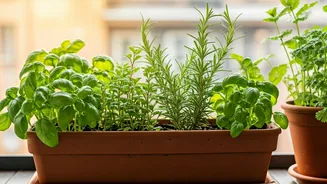
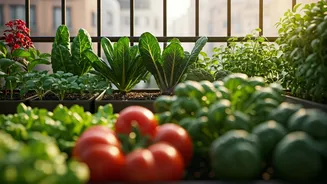
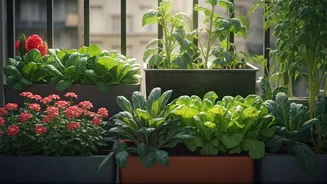
Social media has played a huge role in popularising the balcony herb garden. Platforms like Instagram and Pinterest are filled with stunning images of lush, green balconies, complete with rustic planters, aesthetic watering cans, and beautifully arranged herbs. Hashtags like #balconygarden and #urbangardeningindia showcase everything from sprawling terrace farms to tiny but thriving herb collections. This visual inspiration has made gardening accessible and fashionable. It’s not just for retirees or those with large backyards anymore. Young professionals and families are sharing their gardening journeys online, creating communities where they can exchange tips, celebrate successes, and troubleshoot problems. The trend feeds a dual desire: to create a beautiful, photo-worthy space and to enjoy the very practical benefits of having fresh ingredients at your fingertips.
Your Five-Herb Starter Kit
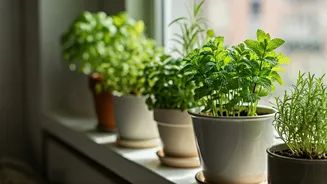
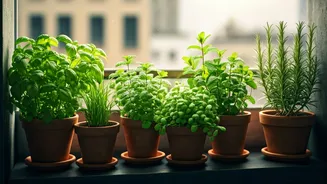
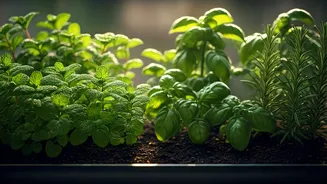
Ready to start your own balcony garden? The key is to begin with herbs that are hardy and frequently used in Indian cooking. These five are almost foolproof: 1. **Tulsi (Holy Basil):** A staple in almost every Indian household, it’s revered for its medicinal properties and is incredibly easy to grow. It needs good sunlight and regular watering. 2. **Pudina (Mint):** Perfect for chutneys, raitas, and refreshing drinks. Mint grows aggressively, so it's best to keep it in its own pot. It thrives in partial shade. 3. **Dhania (Coriander):** The soul of Indian garnishes. You can grow it from the coriander seeds found in your kitchen. It prefers cooler weather and morning sun. 4. **Curry Leaves (Kadi Patta):** Essential for South Indian and Maharashtrian cuisine. It grows into a small shrub and loves full sun. A single plant can supply a family for years. 5. **Ajwain (Carom):** The leaves have a distinct, pungent flavour and are great for pakoras or treating indigestion. This plant is a creeper and does well in pots with good drainage.
Simple Secrets to Success
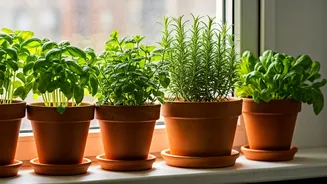
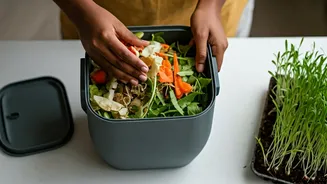
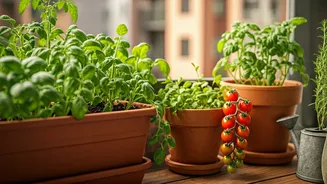
You don't need a green thumb to succeed, just a little knowledge. First, **sunlight is key.** Observe your balcony to see how many hours of direct sun it gets. Most herbs need at least 4-6 hours. Second, **don't overwater.** This is the most common mistake beginners make. Stick your finger an inch into the soil; if it feels dry, it's time to water. Third, **choose the right container.** Ensure every pot has drainage holes at the bottom to prevent root rot. Terracotta pots are excellent as they are porous and allow roots to breathe. Finally, use a good quality potting mix—a combination of soil, cocopeat, and compost—to give your herbs the nutrients they need to flourish.