
Swap a Bolster for Cushions
A yoga bolster offers firm support in restorative poses, but it comes with a price tag. Look no further than your own sofa. Firm decorative cushions, stacked bed pillows, or even a tightly rolled-up blanket can serve the same purpose. The goal is to provide
stable support for your back, hips, or knees. Experiment with different combinations to find what feels comfortable and supportive for your body in poses like a supported fish or child's pose. The key is ensuring your DIY bolster is firm enough not to collapse under your weight.
Use Thick Books as Yoga Blocks
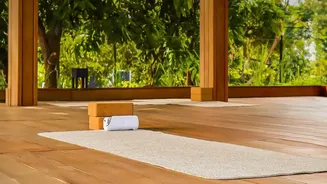
Yoga blocks help bring the floor closer to you, making poses more accessible. Instead of buying cork or foam blocks, grab two hardback books of the same thickness. Dictionaries, old textbooks, or even stacks of magazines taped together work well. These can provide the height you need in standing poses like Triangle Pose or help support your hips in seated postures. Just make sure they are sturdy and won’t slip. This simple swap makes your practice more accessible without any extra cost.
A Belt or Scarf as a Yoga Strap
A yoga strap is a fantastic tool for deepening stretches, especially for tight hamstrings. You likely already have a perfect substitute in your wardrobe. A bathrobe belt, a long scarf, or a necktie can all function as a yoga strap. These items can help you extend your reach in poses like Paschimottanasana (Seated Forward Bend) or hold a challenging bind. Choose a material that is sturdy and won't stretch too much under tension.
Set the Mood with Soft Lighting
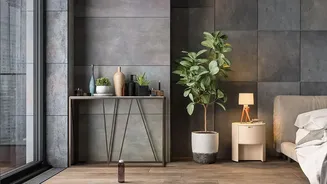
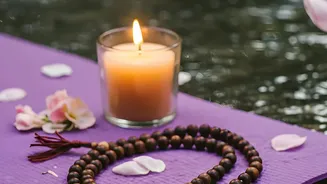
The right lighting can instantly transform a space from a regular room into a calming retreat. You don’t need expensive dimmer switches. Simply turn off harsh overhead lights and use a table lamp for a softer glow. Stringing up fairy lights or strategically placing a few candles (safely away from flammable objects) can also create a warm and inviting atmosphere perfect for unwinding. The soft, flickering light helps to quiet the mind and signal that it's time to relax.
Curate a Calming Soundtrack for Free
Music and sound can have a profound effect on your mood and focus. While there are many paid subscription apps for yoga playlists, you can easily create your own for free. Platforms like YouTube and Spotify offer thousands of hours of calming instrumental music, nature sounds, or guided meditation tracks. Search for 'instrumental yoga music' or 'ambient soundscapes' to find playlists that resonate with you. Creating this audio bubble can help mask distracting household noises and deepen your sense of immersion.
Incorporate Scent with Everyday Items
Aromatherapy is a powerful tool for relaxation. An essential oil diffuser is a great option, but you can achieve a similar effect without one. Lighting a stick of incense or a scented candle with calming fragrances like lavender or sandalwood can cleanse the energy of your space. For an even simpler approach, brew a cup of herbal tea like chamomile or peppermint and place it near your mat. The steam will release a gentle, soothing aroma as you practice.
Declutter for a Clear Mind
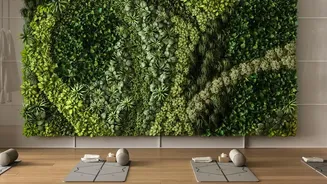
Perhaps the most effective and completely free way to create a serene space is to declutter. A tidy environment helps promote a calm and focused mind. You don’t need a whole room; a small, designated corner is enough. Clear away laundry, paperwork, and any other visual distractions. The simple act of creating physical space can help create mental space, signalling to your brain that this area is reserved for peace and practice.