






Why Humidity Is Your Pantry's Enemy
The single biggest challenge during the monsoon is the spike in humidity, which can reach 75-90% in many parts of India. This excessive moisture in the air creates the perfect breeding ground for mould, fungus, and bacteria. Food items that stay perfectly
fine for months in summer can spoil within weeks, or even days. For instance, an open packet of flour might last two months in dry weather, but only two weeks in the monsoon. This is why simply buying your usual groceries and storing them the same way is a recipe for waste and potential foodborne illnesses. The goal is to minimise moisture exposure at every step, from shopping to storage.
Adopt the 'Shop Small, Shop Often' Rule
Bulk-buying is not your friend during the rainy season. The longer an item sits in your pantry, the more time it has to absorb moisture and spoil. A smarter approach is to adopt a shorter storage plan. This means buying fresh produce, dairy, and even flours in smaller quantities that you are likely to consume within a few days to a week. Planning your meals weekly can help you create a precise grocery list, reducing impulse buys and ensuring everything you bring home is used quickly. This strategy is especially critical for highly perishable items like leafy greens, which should ideally be bought for consumption within a day or two.
Handle Fresh Produce with Extra Care
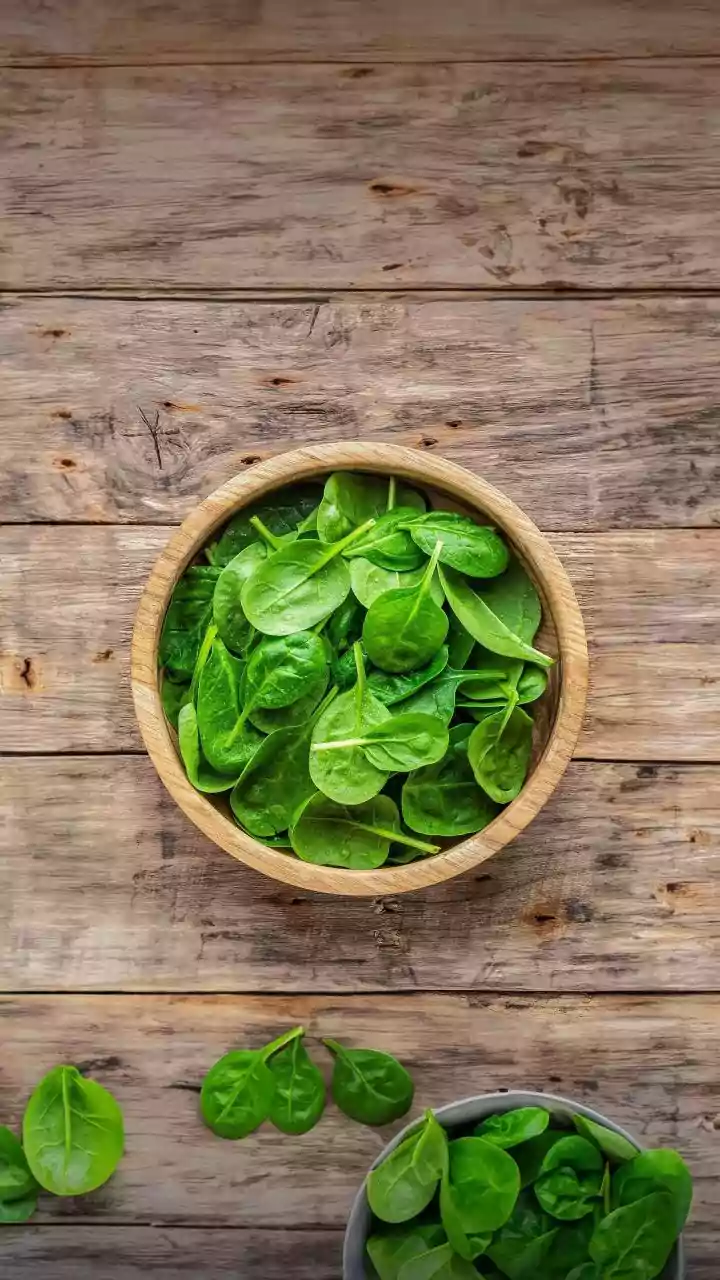
Vegetables and fruits require special attention. Rainwater and mud can leave behind harmful microorganisms. Always wash produce thoroughly under clean running water. Soaking vegetables in a bowl with salt water for a few minutes can help dislodge worms and germs that are more common this season. The most crucial step is drying them completely before storage. Wipe everything with a clean cloth or paper towel, as any lingering moisture will accelerate rot. For leafy greens, wrap them in paper to absorb excess moisture before placing them in the fridge. Root vegetables like potatoes and onions should be kept in a cool, dark, and well-ventilated place, but never on a cold, damp floor, which encourages spoilage.
Secure Your Dry Pantry Staples
Your pantry of grains, flours, spices, and snacks is highly vulnerable to moisture. Transfer everything from its original paper or plastic bag into airtight containers immediately after purchase. Glass or steel jars are often better than plastic for keeping items like salt, sugar, biscuits, and chips perfectly dry. For whole spices, storing them in airtight containers away from the steam of the stove preserves their flavour and prevents clumping. A traditional hack for protecting grains like rice and dal is to add a few dried bay leaves or neem leaves to the container, which act as natural pest repellents. If possible, briefly sun-drying or lightly roasting grains before storage can also help remove any trapped moisture.
Re-evaluate Your Fridge and Freezer Use
Your refrigerator is an essential tool, but it needs to be managed correctly. Keep it clean and organised to prevent cross-contamination and mould growth. Separate raw meat and cooked foods using different shelves and containers. Items you might normally keep outside, like certain opened packets of biscuits or chips, can benefit from being refrigerated to stay crisp. This is also the season to make better use of your freezer. Blanching vegetables before freezing them is an excellent way to preserve them for longer. If you find yourself with an excess of produce that you can't use immediately, prepping and freezing it prevents waste and ensures you have ingredients on hand.