


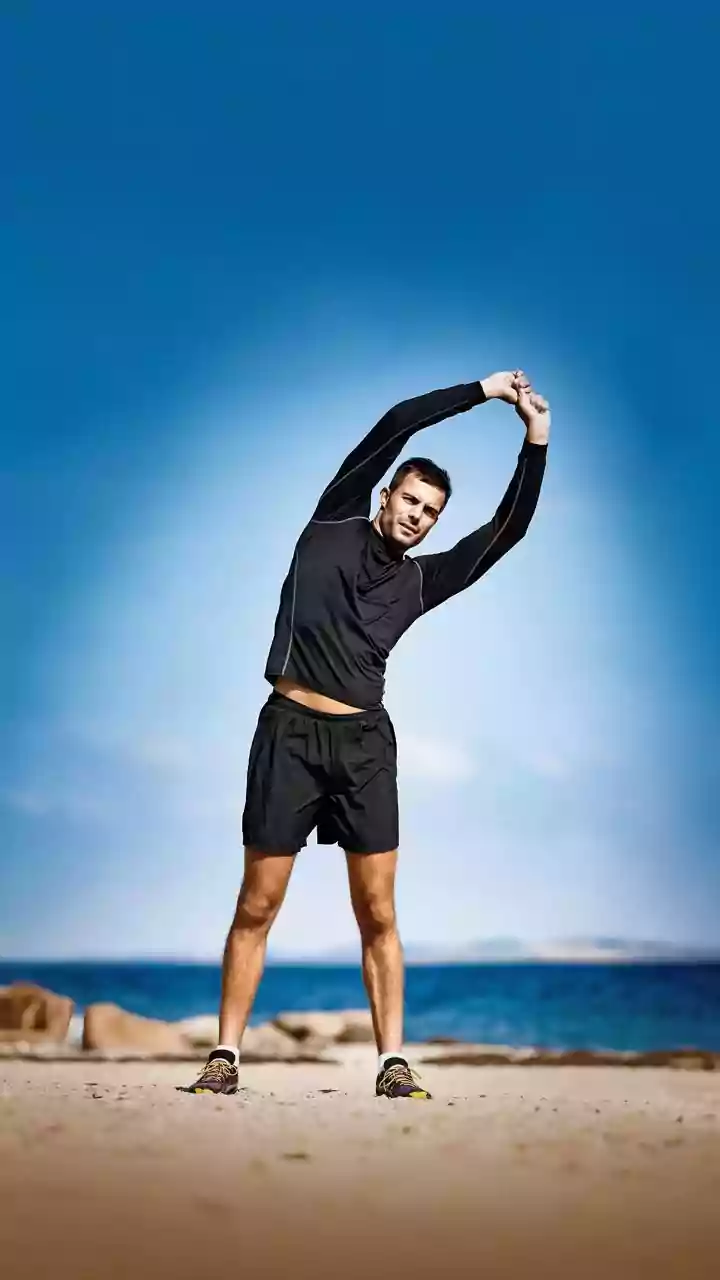





Ditching the All-or-Nothing Mindset
During festive weeks, our schedules are packed with travel, social gatherings, and delicious feasts. The idea of fitting in a one-hour gym session can seem daunting, leading many to abandon their fitness goals entirely. This is the classic 'all-or-nothing'
trap. However, research increasingly shows that consistency trumps duration. Shorter, more frequent bouts of activity can be just as, if not more, effective for maintaining health and fitness. The key is to shift your focus from lengthy workouts to simply moving your body regularly throughout the day. This approach is not only more sustainable during a busy period but also helps prevent the guilt and stress associated with missed workouts, allowing you to enjoy the festivities.
Embrace 'Movement Snacking'
One of the most effective strategies is 'movement snacking'—short, deliberate bursts of physical activity lasting anywhere from one to ten minutes, sprinkled throughout your day. Think of it as bite-sized exercise that doesn't require a change of clothes or a trip to the gym. Studies show these mini-workouts can improve blood sugar regulation, boost circulation, and enhance focus. Examples include doing a set of bodyweight squats while waiting for your tea to brew, climbing a few flights of stairs instead of taking the lift, or doing a few stretches during a work break. These small efforts add up, helping you meet daily activity goals without disrupting your festive plans.
Your Living Room is the New Gym
You don't need fancy equipment or a large space to get a great workout. Your own body weight provides more than enough resistance for an effective strength session. Simple exercises like push-ups, squats, lunges, planks, and tricep dips using a chair are perfect for small spaces and can be done anytime. You can create a simple circuit by performing each exercise for 30-60 seconds, resting briefly, and repeating. A 10-15 minute bodyweight routine is a powerful way to maintain muscle tone and boost your metabolism, even when you're staying with family or in a hotel room.
Turn Errands into Active Time
The festive season often involves a lot of running around. You can leverage this to your advantage by increasing your Non-Exercise Activity Thermogenesis (NEAT), which is the energy you burn from activities other than formal exercise. Simple choices can make a big difference. Park your car further away from the market entrance, take the stairs instead of the escalator at the mall, and offer to carry the shopping bags. Instead of emailing or calling a colleague, walk over to their desk. These seemingly minor activities accumulate, significantly contributing to your total daily calorie burn and helping to offset some of the festive indulgence.
The Power of a Post-Meal Walk
After a rich festive meal, the last thing you might want to do is move, but a short, gentle walk can work wonders. Walking for just 10 to 15 minutes after eating can aid digestion, reduce bloating, and help manage blood sugar levels by encouraging your muscles to use the glucose from your meal for energy. Studies have shown that this post-meal movement can blunt sharp blood sugar spikes, which is particularly beneficial after consuming sweets and carbohydrate-heavy foods common during festivals. It’s a simple, low-impact habit that offers significant metabolic benefits.
Make Fitness a Family Affair
The festive season is about spending time with loved ones, so why not make being active a group activity? Instead of sitting around after a meal, suggest a family walk in a nearby park. Organise a friendly game of cricket or badminton in the garden. Turn up the music and have a dance session. When you frame physical activity as a fun, social event rather than a chore, it becomes an enjoyable part of the celebration. It’s a wonderful way to create memories while ensuring everyone gets some movement into their day.